


Mould Removal Islington
Professional mould removal and remediation services for homes and offices, targeting black mould, damp-affected walls, ceilings, and floors.

Professional mould removal and remediation services for homes and offices, targeting black mould, damp-affected walls, ceilings, and floors.
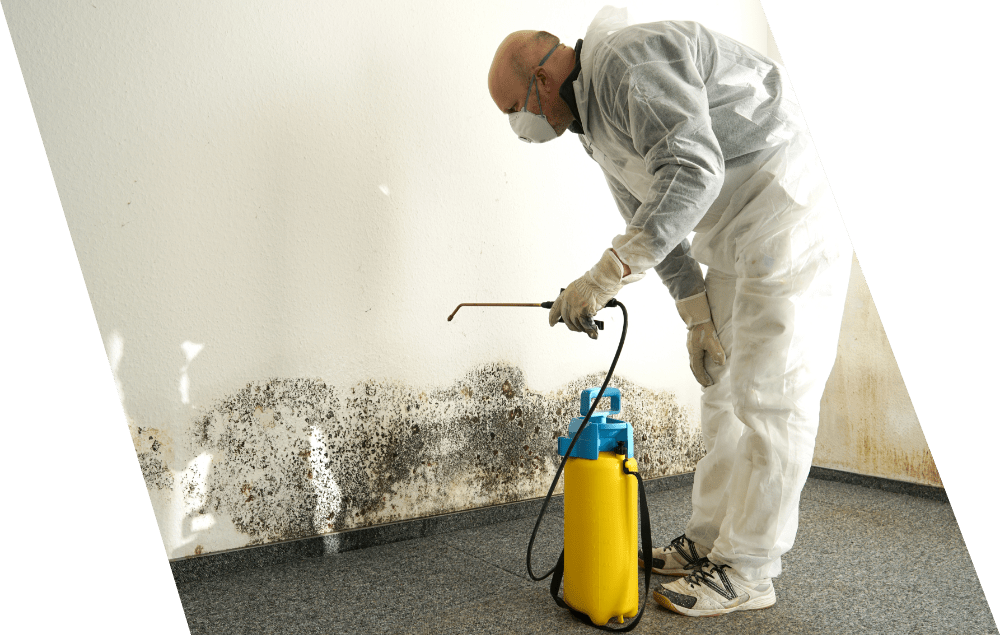
The cost of mould removal depends on the size of the affected area and the type of treatment required. After a detailed inspection a clear, personalised quote is provided based on the scope of work.
| Small mould area (e.g. around a window or corner) | Medium mould area +£100 (large section of a wall affected) | Large mould area +£150 (more than one wall or ceiling) | ||||
|---|---|---|---|---|---|---|
| Room | Standard | Fantastic Club* | Standard | Fantastic Club* | Standard | Fantastic Club* |
| Bedroom | £350 | £320 | £450 | £420 | £500 | £470 |
| Bathroom | £350 | £320 | £450 | £420 | £500 | £470 |
| Kitchen | £350 | £320 | £450 | £420 | £500 | £470 |
| Living / Dining room | £350 | £320 | £450 | £420 | £500 | £470 |
| Hallway / Landing | £350 | £320 | £450 | £420 | £500 | £470 |
| Utility room | £350 | £320 | £450 | £420 | £500 | £470 |
| Paid inspection | £50 | |||||
| *Price for members of the Fantastic Club. The Fantastic Club is a yearly subscription of £89. | ||||||

Mould removal in Islington is vital for maintaining a safe and healthy environment. This process begins by identifying the root causes of mould growth, which often include excessive moisture, poor ventilation, and existing water damage. Mould cleaning services focus on thorough mould remediation Islington, targeting affected areas such as walls, ceilings, and floors. It is important to note that soft furnishings may also require special attention to mitigate lingering risks of mould development.
To ensure effective mould removal, professionals conduct thorough assessments using specialised equipment to measure humidity and inspect ventilation systems. By addressing these factors, mould remediation experts develop tailored solutions that not only remove visible mould but also focus on condensation control and moisture balance, ensuring long-term mould prevention strategies are in place. This holistic approach keeps properties in Islington clean and mould-free.
Mould remediation in Islington is initiated with a careful inspection to determine the depth of mould infiltration and the causes of moisture issues. To create a secure environment, HEPA air filtration systems are activated during the remediation process, capturing floating mould spores effectively. This includes the application of HOCl (hypochlorous acid) for safe, effective mould neutralisation, while ULV fogging technology ensures an even distribution across all surfaces and airspaces for complete mould removal.
Physical removal is completed using industry-grade equipment equipped with H-Class filtration, which efficiently eliminates all remaining mould while avoiding cross-contamination. After the remediation, thorough air cleaning is performed to maintain high indoor air quality and promote long-term mould protection. By choosing expert mould removal services in Islington, you benefit from preventing regrowth, enhancing air quality, and ensuring the stability of your environment for years to come.

Booking mould cleaning is quick and designed to get results without unnecessary delays.
Share what you’re dealing with, whether it’s visible mould, damp patches, or a recurring problem. This helps determine the right approach, from mould cleaning to full mould remediation.
A specialist checks the affected areas and identifies what’s causing the mould, such as excess moisture, condensation, or poor ventilation. This ensures the issue is treated properly, not just on the surface.
You’ll get a straightforward quote based on the level of contamination and the type of mould removal required. The service is tailored to ensure effective results and long-term protection.
The treatment removes mould and improves indoor air quality, helping to prevent future growth and create a healthier living space. It also targets the root cause of the problem for longer-lasting results.
Mould removal requires more than basic cleaning, which is why it’s handled by trained mould remediation specialists experienced in treating both visible and hidden contamination. Each specialist assesses the full extent of mould growth, including underlying causes such as excess moisture, condensation, and ventilation issues, ensuring the problem is addressed properly rather than just on the surface.
Number of bookings: 8301
With Fantastic Services for: 6 years
Other specialities:
What the reviews say
"Quick and effective rodent control service. Their timely response and efficient methods resolved the problem with expertise."
Number of bookings: 3178
With Fantastic Services for: 4 years
Other specialities:
Number of bookings: 214
With Fantastic Services for: 3 years
Other specialities:
Alongside professional mould removal and mould cleaning, a range of additional property care services is available to help maintain a healthier indoor environment.


























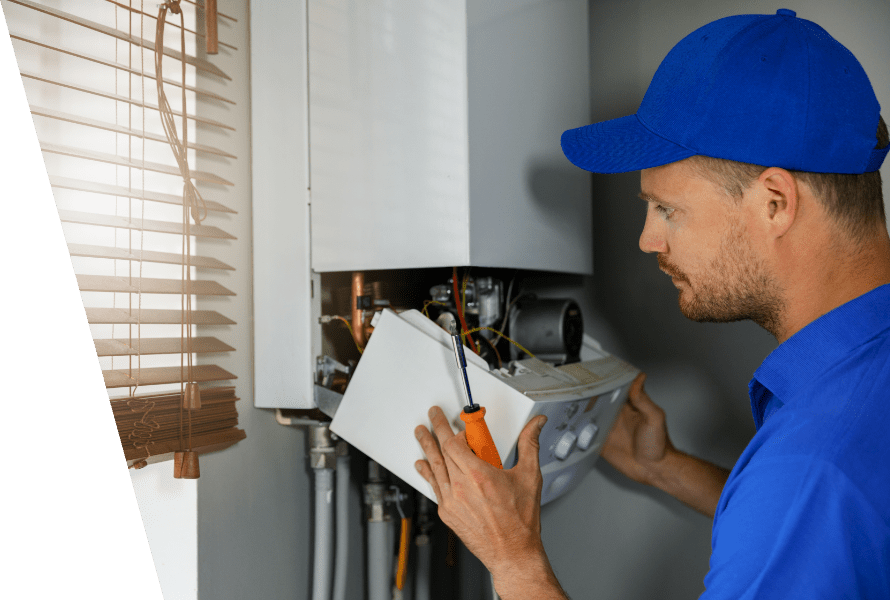
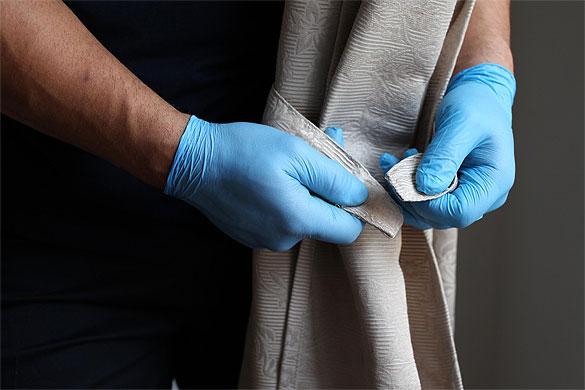
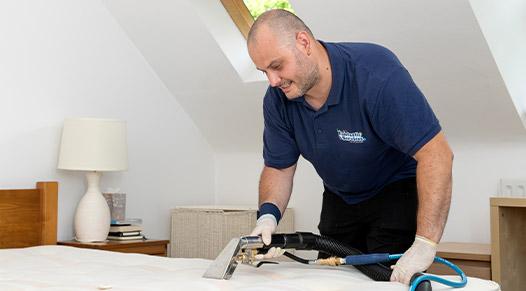



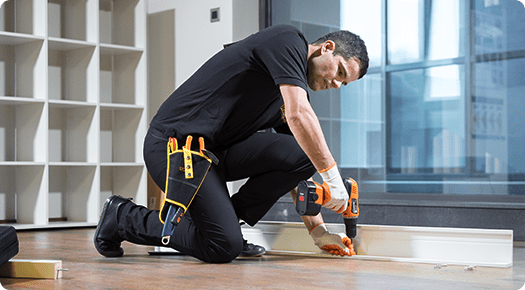
Mould can spread quickly and impact both health and property if not treated in time. Book a service today to remove mould, improve indoor air quality, and restore a cleaner and healthier living environment.

There is a particular kind of stalemate in an Islington flat where the growth is plainly internal and the cause plainly is not. The building is a converted terrace or a mansion block, the flat is one part of a larger structure, and the water is arriving through something the occupier has no right to touch: a roof, a parapet, a flank elevation, a shared waste pipe, a riser. Treating the inside on its own will not hold, and the route to getting the outside dealt with is a process rather than a phone call.
The first useful step is a clear determination of whether the source is inside the flat or outside it. That means looking at the pattern in relation to the building rather than the room: growth at the head of a wall on the top floor points upward, a stripe down one corner points at a shared pipe or an abutment, and a band at low level in a ground-floor flat points at the structure below. Photographs taken over successive weeks, with dates, are worth more later than any single observation.
Buildings in multiple ownership are maintained by whoever manages them, funded through the service charge. Routine repairs can usually be instructed straight away. Larger schemes, above a threshold of contribution per flat, require a formal consultation with everyone paying, and that consultation takes months before a contractor can start. Knowing which category a repair falls into tells an occupier whether to expect weeks or the better part of a year, and whether to plan interim measures inside the flat.
Managing agents respond to specifics. A written note that records the date growth appeared, the rooms affected, the weather at the time, moisture readings taken on the affected surface and on a comparable one, and a plain statement of the suspected source is far more likely to prompt an inspection than a description of the smell. Where a survey has already identified an external defect, that document should go with it. Similar investigations in neighbouring streets are covered by professional black mould removal in Pentonville.
Waiting is not neutral. Growth spreads into adjacent finishes, plaster softens, skirtings and joinery decay, stored items are lost, and a problem that began on one wall of one room becomes a problem across three. Interim treatment inside the flat is usually worthwhile even knowing it may need repeating: surfaces are cleaned and treated, badly affected finishes removed rather than painted over, and contents moved clear of the affected wall. Keeping the room warm and moving air through it slows the rate at which things get worse while the external repair works its way through the process.
Once the external defect is genuinely resolved, the fabric needs time to dry before anything is made good, and rushing that is the commonest cause of a repeat. Replastering and redecoration follow drying, not the other way round. Fixing and finishing work after the plasterer, including skirtings, shelving and door adjustments, is handled by handyman across Islington, and the dust-heavy clear-up once trades have finished is covered by after builders cleaning for landlords in North London.
An inspection covers the flat and, where access allows, the immediately adjacent common area, with readings taken on the suspect surface and on an unaffected wall so the two can be compared later. Costs follow the rooms treated, the finishes removed and whether a written set of findings is required for the managing agent, which is often the most valuable part. Emptied cupboards regularly turn up insect activity behind stored goods, and that is dealt with by pest control cover across Islington. The treatment sequence itself is described under mould removal and remediation services UK.
Skip the line, request and
book a service online

