Not every call about mould is about a wall. A fair number in Barnsbury begin with a box of winter coats taken down from a cupboard in October and found spotted and musty, or a stack of books gone soft at the edges, or a leather bag with a grey bloom across it. The Georgian and early Victorian terraces here are tall and narrow, storage is wherever it can be found — an under-stair cupboard, a cellar head, a boxed alcove, the back of a wardrobe against an outside wall — and those are precisely the places where air never moves.
Why stored things go before the structure does
A closed cupboard on an external wall is its own small climate. No heat reaches it, no air crosses it, and the contents insulate the wall further so its surface runs colder than the rest of the room. Humidity inside settles high and stays there. Organic materials then do the rest of the work: cotton, wool, leather, paper, cardboard and wood all absorb moisture readily and hold it, which means growth can establish on the contents while the plaster behind them still reads as sound. Undisturbed textiles in damp storage are also where clothes moths and silverfish do best, and where an inspection finds insect damage alongside the staining, Fantastic Services deals with that separately.
What can be saved and what cannot
Washable cotton and linen usually recover, provided they are laundered rather than brushed off and put back. Wool and tailoring can often be dry-cleaned successfully, though heavily marked linings may not clear. Smooth leather can be cleaned and reconditioned if the growth is still surface bloom rather than embedded in the grain. Paper is harder: light foxing can be dried and brushed, but a book whose spine has been colonised rarely comes back. Upholstery with foam fill and chipboard or MDF furniture are the two things most often written off, because both hold water deep inside and cannot be treated through. Cleaning of salvageable soft furnishings is covered by Islington cleaning services specialists.
The smell is information, not a nuisance
A musty odour is produced by the growth itself and it carries useful detail. A smell that appears only when a cupboard is opened points at contents and a local cold surface. One that fills a room whenever the heating comes on points at something in the fabric being warmed — a void, a floor, a chimney breast. A smell that lingers after everything visible has been removed and cleaned usually means an active source that has not been found yet. Deodorisers and plug-ins are worth avoiding until the diagnosis is made, since masking the odour removes the most reliable signal there is.
Order of work when contents are involved
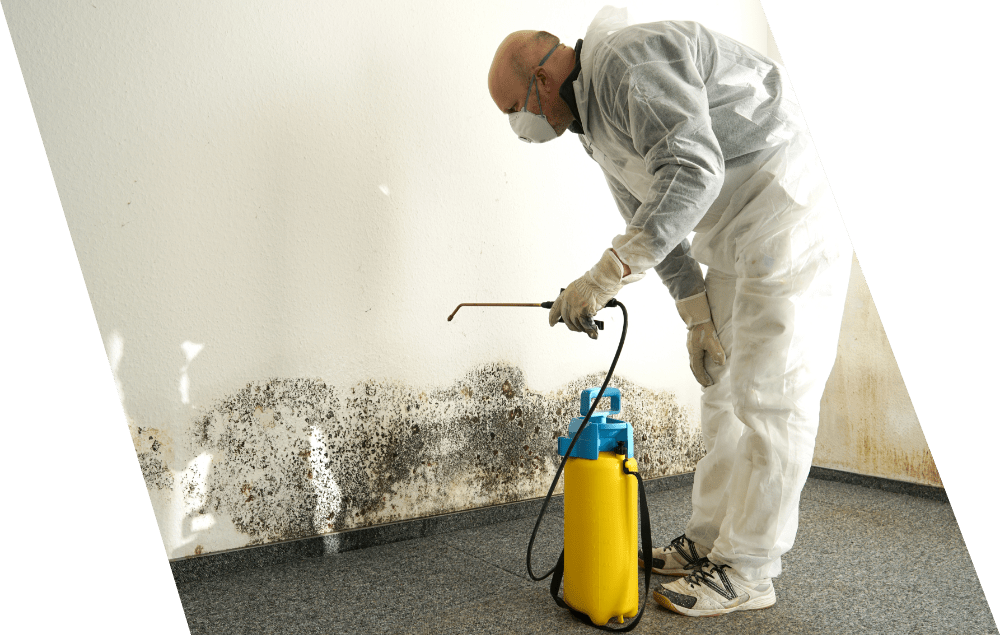
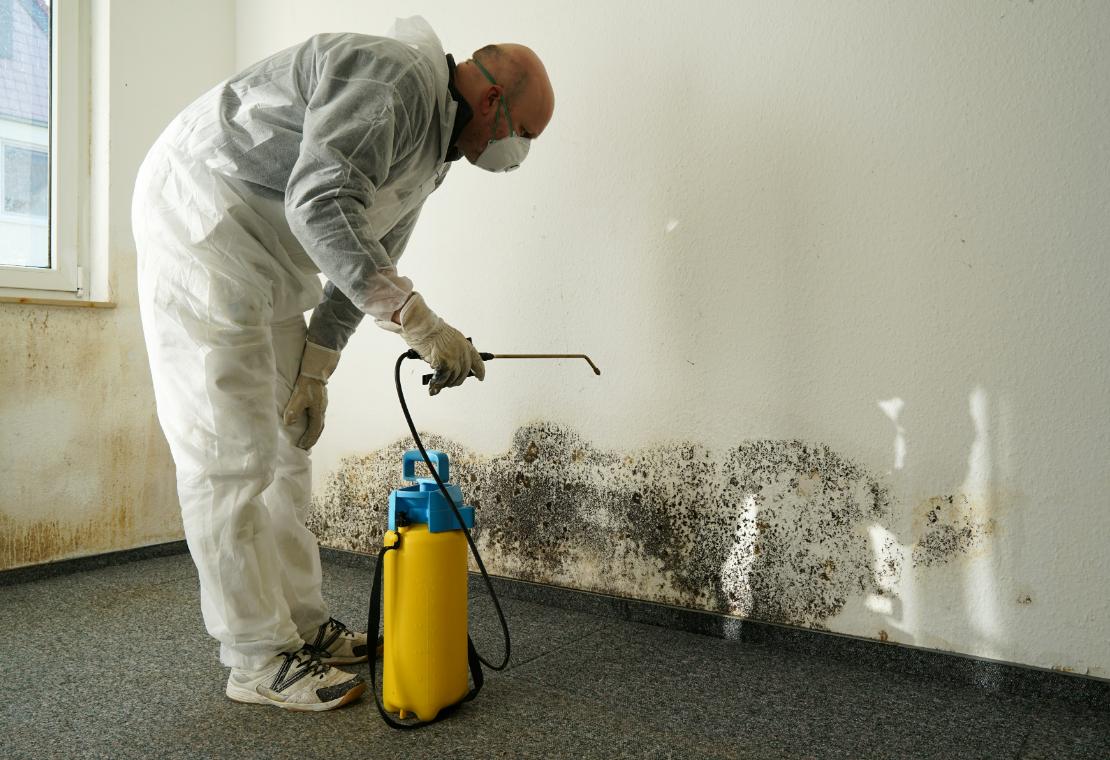
Contents come out first, and they come out carefully: bagged where they are being taken for cleaning, and not carried through the house uncovered, since shaking out a colonised coat distributes spores through several rooms. The empty space is then treated and the cold surface dealt with, and only after it has dried are belongings put back. Putting cleaned clothes straight back into a cupboard that has been wiped but not altered simply restarts the cycle. Where the staining extends into the plaster, Pentonville mould removal service describes how that stage is handled in the surrounding stock.
Storing things somewhere they will survive
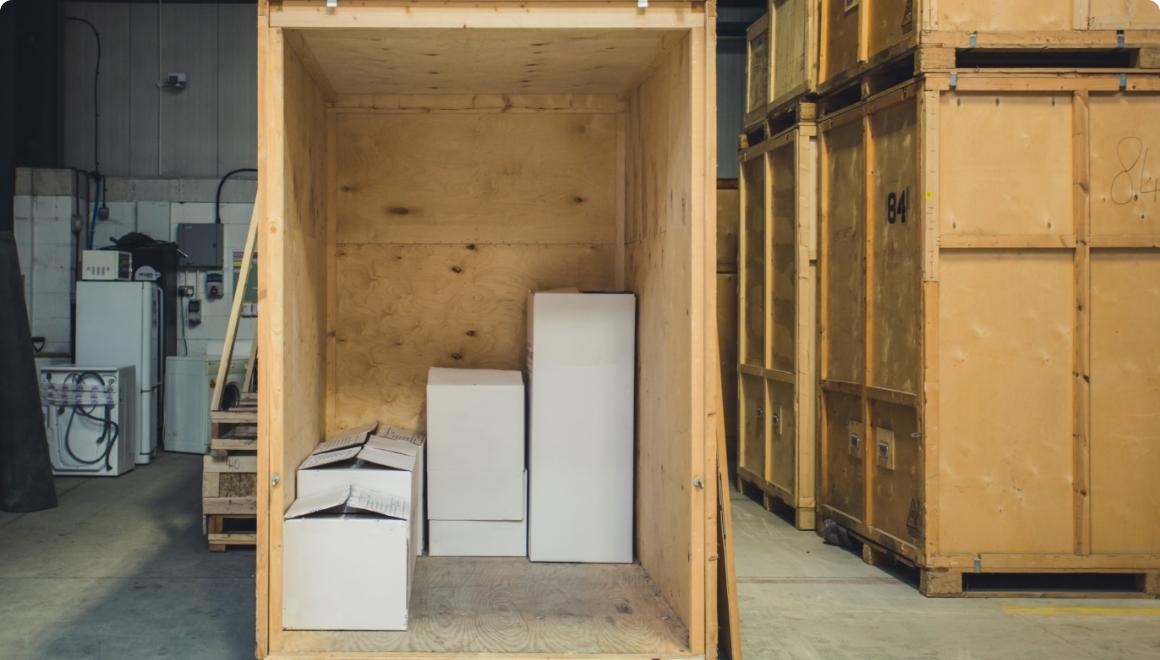
Where the contents matter more than the cupboard, the answer is often to stop using the worst space for storage at all. A cellar head, an unheated box room on an outside wall and the bottom of a deep built-in are where possessions go first, and shifting anything vulnerable out of them removes most of the risk in an afternoon. Whatever stays should be packed so it can breathe: cotton or canvas covers rather than sealed polythene, which holds humid air and condenses it on the contents; garments hung with space between them; papers and photographs boxed and raised off the floor. Rehanging a rail on an internal wall, or shelving clear of the coldest surfaces, is covered by odd jobs services in Barnsbury.
What a contents-led appointment covers
The visit takes readings in the cupboard or room, checks the surface temperature of the wall behind the storage, and goes through the contents with the household deciding what goes for cleaning, what is treated in place and what is beyond saving. Charging follows the volume of contents handled and whether structural treatment is needed behind them, so emptying a space beforehand reduces both the time and the figure. A written list of what was found and recommended follows, which is what insurers and landlords tend to ask for. Fuller notes on method sit on our mould removal and remediation team.