An airing cupboard is supposed to be the driest place in a home, and in many Camden Town flats it has quietly become the wettest. The reason is nearly always the same: the hot water cylinder that used to heat it was taken out when a combination boiler went in, and what was left is an unheated, unventilated box, often against an outside wall, still being used to store bedding and to put away towels that are not quite dry.
What the cupboard used to do
A cylinder gave off a steady low heat, which warmed the slatted shelves above it and kept the air inside the cupboard both warm and moving, because warm air rose out through the top and drew replacement air in at the bottom. Fabric put away slightly damp dried out instead of staying damp. Remove the cylinder and both the heat and the air movement go with it. The slats remain, the door still fits tightly, and the space becomes a still, cool cavity with textiles packed into it.
Why the back wall is the first to go
In a converted flat these cupboards were usually formed in the corner of a room, which means one or two of their walls are external. With no heat inside, that wall sits close to outside temperature while the rest of the room is warm. Moisture from the flat finds its way into the cupboard through the door gap and every time it is opened, and settles on the coldest surface it can reach. Growth appears on the back wall, on the underside of the top shelf and on the folded edges of whatever has been stored longest.
Damp fabric and a cold cistern
Two habits make it worse and both are easy to miss. Putting away towels and bedding that feel dry to the hand but are not fully dry releases that moisture into a closed space with nowhere for it to go. And where a cold water pipe or a small cistern still runs through the cupboard, it will condense in warm weather and drip onto whatever is beneath, which is usually stored fabric that then takes weeks to dry. Insulating that pipework and dealing with any slow overflow is work for our plumbing service in Camden.
Bringing the cupboard back into use
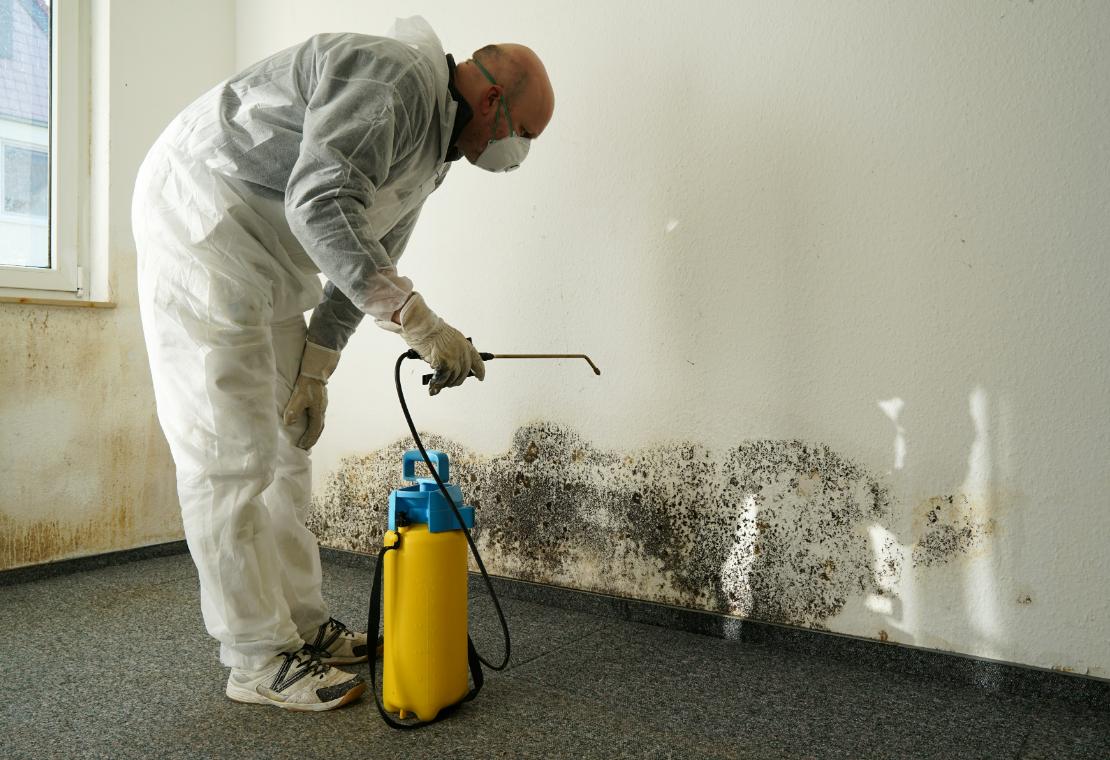
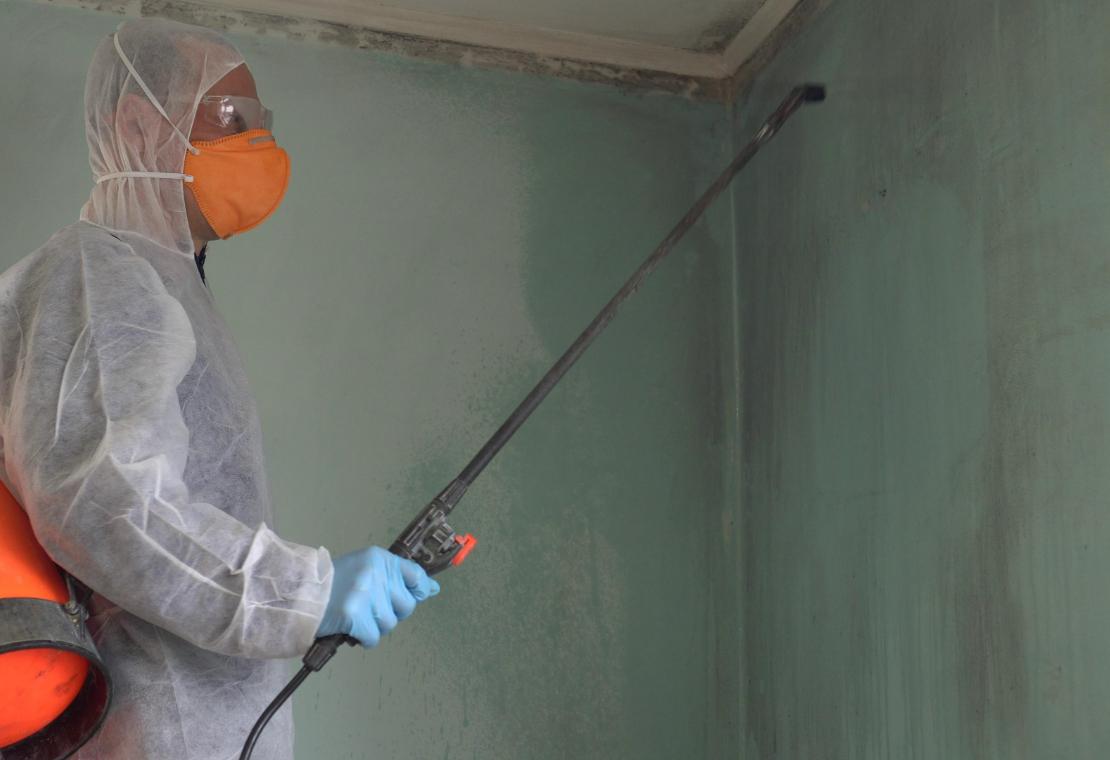
It is emptied completely, because a partial clear-out leaves the reservoir in place. Growth on painted plaster and on shelving is washed down and treated with the flat's other doors closed; shelving that has softened or delaminated is replaced rather than cleaned, as is any board lining that has repeatedly wetted. Then the space is given what it lost: a means of air movement, whether that is a louvred door, a ventilation grille top and bottom, or simply leaving the door ajar; and a rule about what goes in, which is dry goods only. Affected bedding and towels need laundering hot and drying fully before they go back, which is the kind of task Camden Town domestic cleaning services takes on. The wider sequence of survey, removal, drying and reinstatement is set out under mould removal and remediation explained.
What an appointment involves
The cupboard needs emptying before the visit, including the top shelf and anything stored on the floor of it, and it helps if the contents are kept out of the room rather than piled next to it. The inspection covers the cupboard itself, the wall it backs onto seen from the room side, and any pipework passing through. Charges follow the internal area treated and whether shelving or lining has to be replaced, so a cupboard dealt with at the first sign of a musty smell is a modest job and one left for two winters is not. The same problem turns up constantly in the flats a little further north, and local mould removal across Primrose Hill works to the same method.