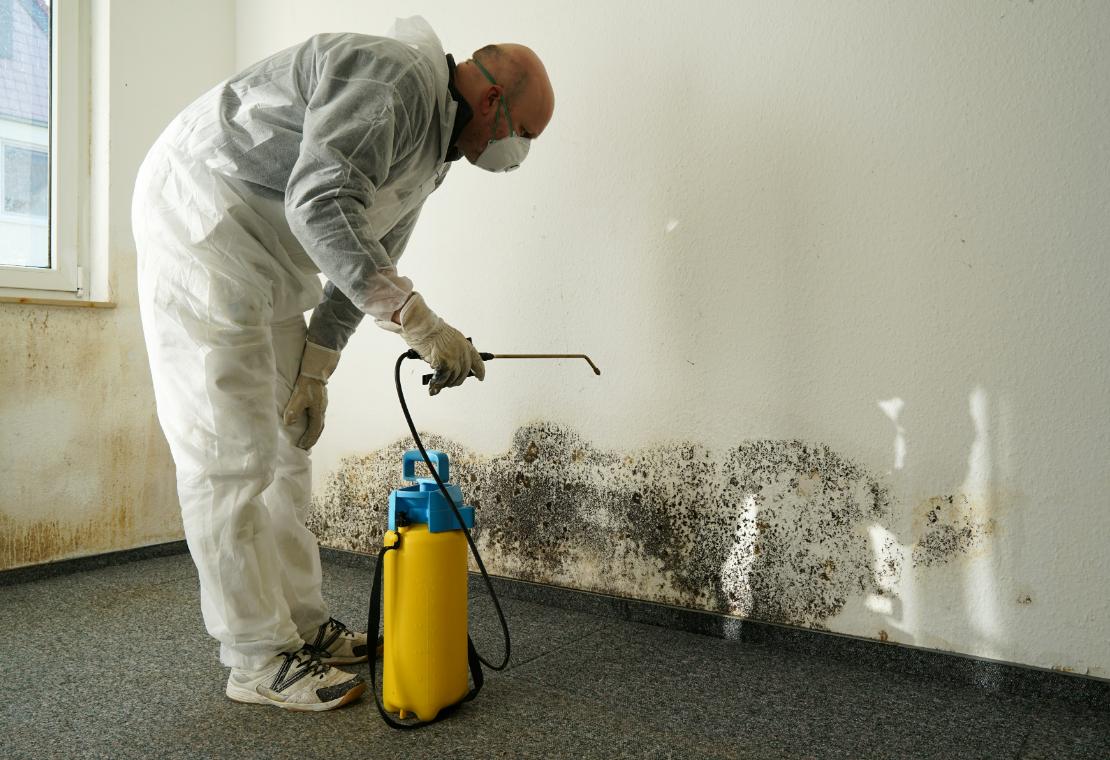
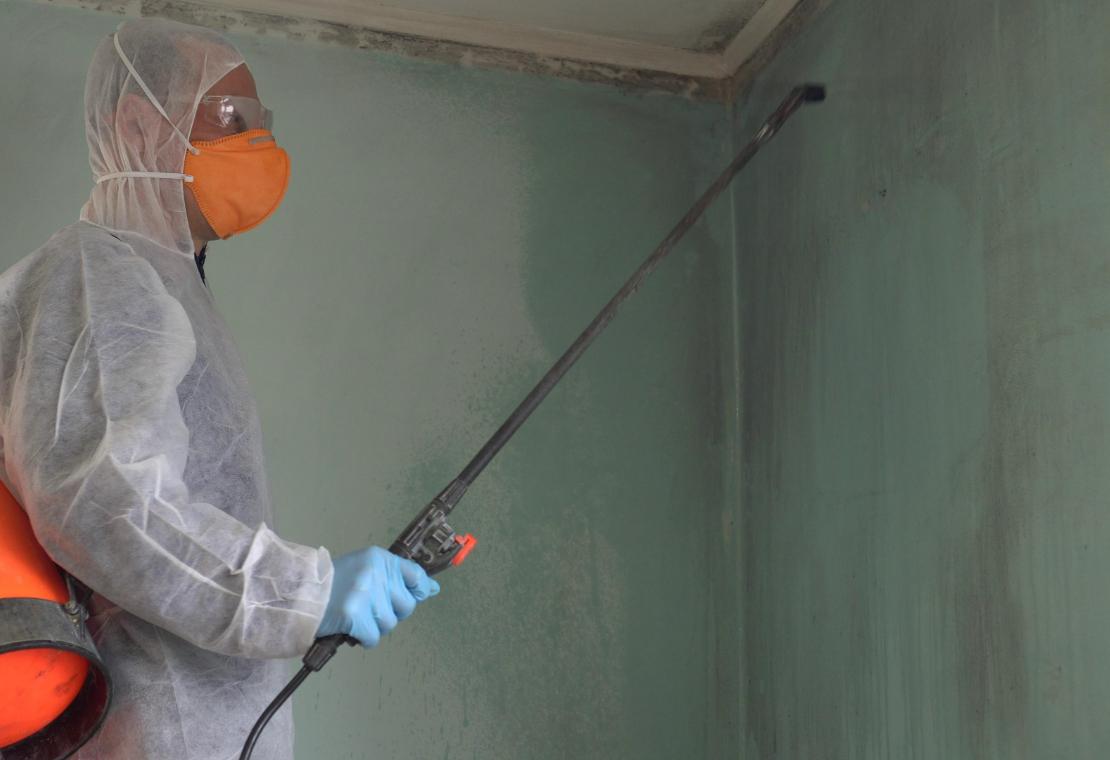
What goes back onto the wall after treatment decides whether the mould stays away. A good proportion of repeat visits to Finsbury flats and EC1 mansion-block rooms are to walls that were treated perfectly well and then re-covered with precisely the materials that fed the previous colony: vinyl paper on a cold external wall, a heavy washable coating over plaster that had not finished drying, and a fresh layer of paste that never stood a chance. Remediation and redecoration are one job, not two.
Stripping back further than the visible patch
Growth always extends beyond the stain, so paper comes off well past the visible edge and the paste is washed off with it. Cellulose paste is a food source in its own right, and leaving a ring of it around a treated area seeds the next outbreak. Plaster is then tested by tapping and by pressure: where it is soft, hollow, blown or contaminated with salts, it is taken back to the masonry rather than skimmed over, because a skim coat over failed plaster carries the same problem behind a new surface.
Plaster choices on a cold solid wall
The replacement specification matters more than the brand of anything. A dense sand-cement render on a solid wall that needs to dry inwards traps moisture and tends to crack at the interface, taking the new finish with it. A lime-based coat or a breathable board build-up lets the wall release moisture into the room where it can be ventilated away. Where a flue or a long-running leak has left nitrates in the masonry, a salt-retardant coat sits between the substrate and the finish. New plaster also carries a great deal of its own water and needs weeks, not days, before anything impermeable goes over it.
Coatings that help and coatings that trap
A thinned mist coat followed by a permeable emulsion lets the wall carry on drying. Fungicidal additives are useful, and they buy time rather than substituting for a corrected cause. Vinyl silk finishes and washable papers on a cold external wall put a vapour-tight skin over a condensing surface, which is why they bubble and why growth reappears behind them. Residual tide marks may need a stain block, applied to a dry surface only. Sealing a wall that is still drying is the single most common decorating error in this work.
Mansion blocks and the practical side
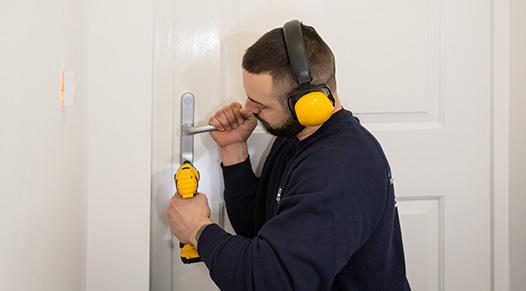
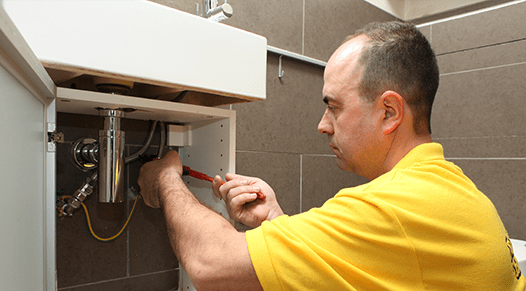
Older EC1 blocks add their own constraints. Shared entrances, a small lift or none at all, restricted contractor hours and nowhere to store materials mean works are broken into stages so that a flat is never left open and unusable. Plaster and waste are moved in and out in planned trips rather than accumulated on a landing. Making good, refitting skirtings and architraves and repairing plaster where it does not need full replacement is work covered by flexible handyman in Finsbury, and it is usually the last technical stage before decoration.
Other work in the same programme
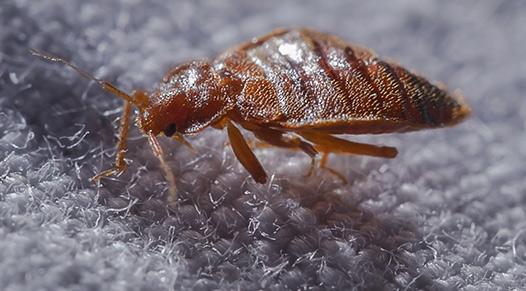
Voids opened during stripping out occasionally reveal droppings and runs, and trusted pest control in Finsbury deals with that before anything is closed up. The same materials thinking applies to basements nearby, where vetted mould removal services in Clerkenwell covers below-ground work in detail. Stripping and replastering generates fine dust throughout a flat, and cleaning services across Farringdon handles the clean before furniture and soft furnishings return. Product choices and guarantee terms are described on the mould removal and remediation service.
Timing, scope and what to agree first
The sequence is treat, dry, plaster, wait, mist coat, finish, and the waiting is the part that gets compressed. Readings are taken before plastering and again before decoration so the delay is evidence-based rather than arbitrary. Pricing is by wall area, by whether plaster is being replaced or repaired, and by whether decoration is in scope at all, which is worth settling before the first visit since many households prefer to decorate themselves. Furniture is moved out or drawn into the centre of the room and covered, and a route for waste is agreed, particularly where stairs are the only way in.