


Mould Removal and Remediation Hoxton
Advanced mould removal services designed to treat damp areas, eradicate mould contamination, and maintain long-term property hygiene.

Advanced mould removal services designed to treat damp areas, eradicate mould contamination, and maintain long-term property hygiene.

The cost of mould removal depends on the size of the affected area and the type of treatment required. After a detailed inspection a clear, personalised quote is provided based on the scope of work.
| Small mould area (e.g. around a window or corner) | Medium mould area +£100 (large section of a wall affected) | Large mould area +£150 (more than one wall or ceiling) | ||||
|---|---|---|---|---|---|---|
| Room | Standard | Fantastic Club* | Standard | Fantastic Club* | Standard | Fantastic Club* |
| Bedroom | £350 | £320 | £450 | £420 | £500 | £470 |
| Bathroom | £350 | £320 | £450 | £420 | £500 | £470 |
| Kitchen | £350 | £320 | £450 | £420 | £500 | £470 |
| Living / Dining room | £350 | £320 | £450 | £420 | £500 | £470 |
| Hallway / Landing | £350 | £320 | £450 | £420 | £500 | £470 |
| Utility room | £350 | £320 | £450 | £420 | £500 | £470 |
| Paid inspection | £50 | |||||
| *Price for members of the Fantastic Club. The Fantastic Club is a yearly subscription of £89. | ||||||
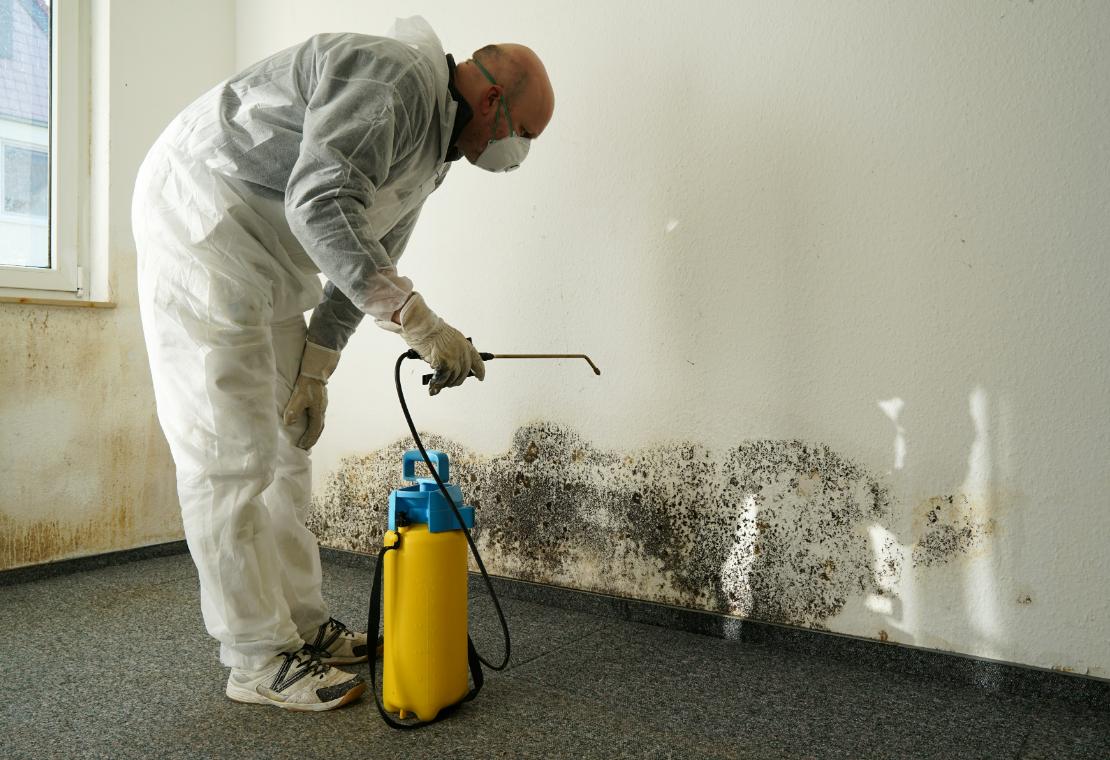
The process of mould removal in Hoxton is vital for preserving indoor air quality and ensuring a healthy living space. It begins with mould cleaning in Hoxton that thoroughly inspects the areas affected by mould and identifies contributing factors such as excess moisture and poor ventilation. Mould remediation in Hoxton encompasses effective strategies to remove mould but also focuses on resolving underlying issues to prevent its return, ensuring the environment remains mould-free.
Professionals conduct thorough assessments using specialized equipment to evaluate humidity levels, detect water damage, and analyze air circulation within the structure. Their approach is systematic, treating walls, ceilings, and floors while excluding soft furnishings from the initial remediation process. This method incorporates practices like condensation control and maintaining a moisture balance, ultimately aiming for a comprehensive mould removal solution that tackles both immediate and long-term mould prevention.
The process for mould remediation in Hoxton highlights the importance of a systematic approach, starting with an in-depth inspection to evaluate the extent of the mould presence. HEPA air filtration systems help to cleanse the space of airborne spores while HOCl treatment provides a reliable method for mould neutralization. To ensure comprehensive coverage, we employ ULV fogging technology for uniform application across surfaces and into hard-to-reach areas.
Our physical mould removal utilizes state-of-the-art professional equipment, incorporating H-Class filtration to prevent reintroduction of mould spores. Conclusively, we provide final air cleaning and long-term protective measures to safeguard your environment. Engaging in our mould removal services in Hoxton not only improves your air quality but also ensures stability and prevention of future mould regrowth.
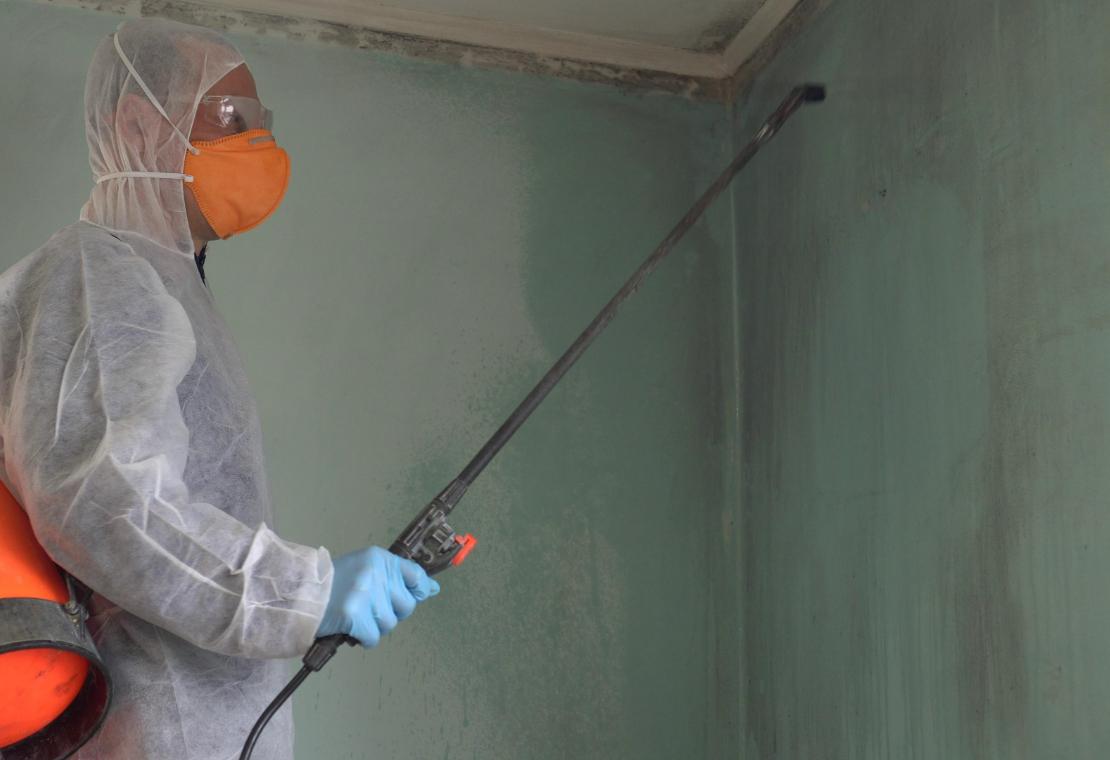
Booking mould cleaning is quick and designed to get results without unnecessary delays.
Share what you’re dealing with, whether it’s visible mould, damp patches, or a recurring problem. This helps determine the right approach, from mould cleaning to full mould remediation.
A specialist checks the affected areas and identifies what’s causing the mould, such as excess moisture, condensation, or poor ventilation. This ensures the issue is treated properly, not just on the surface.
You’ll get a straightforward quote based on the level of contamination and the type of mould removal required. The service is tailored to ensure effective results and long-term protection.
The treatment removes mould and improves indoor air quality, helping to prevent future growth and create a healthier living space. It also targets the root cause of the problem for longer-lasting results.
Mould removal requires more than basic cleaning, which is why it’s handled by trained mould remediation specialists experienced in treating both visible and hidden contamination. Each specialist assesses the full extent of mould growth, including underlying causes such as excess moisture, condensation, and ventilation issues, ensuring the problem is addressed properly rather than just on the surface.
Number of bookings: 123
With Fantastic Services for: 2 years
Other specialities:
Number of bookings: 213
With Fantastic Services for: 2 years
Other specialities:
Number of bookings: 205
With Fantastic Services for: 3 years
Other specialities:
Alongside professional mould removal and mould cleaning, a range of additional property care services is available to help maintain a healthier indoor environment.















Mould can spread quickly and impact both health and property if not treated in time. Book a service today to remove mould, improve indoor air quality, and restore a cleaner and healthier living environment.

Exposed brickwork is the point of a warehouse flat and also its weak spot. A great deal of N1 housing is converted industrial and commercial building — workshops, print works, storage buildings — where the original walls were a single solid thickness, built to keep weather off stock rather than to keep a home warm. Strip the plaster back to brick for the look and you have an attractive wall with no cavity, no insulation and no lining, whose inner face runs cold all winter and grows a dark bloom in the corners and along the mortar joints.
Solid brickwork conducts heat readily, so on a cold night the internal face drops close to the temperature of the outside air. Any humidity generated in the flat then condenses on it, and the mortar joints, being more porous and slightly recessed, hold that water longest — which is why growth so often traces the bed joints in a neat grid before it spreads across the face of the bricks. Painting a masonry sealer over it makes the appearance worse rather than better, because it stops the wall giving moisture back to the room and holds it just behind the film. The relationship between surface temperature and growth is covered on our national mould removal and remediation service.
Original metal windows, or slim replacements in the same idiom, are the coldest element in most of these flats. Frames conduct straight through, condensation forms on the inside face and on the glass, and it runs down into the frame channel and onto the cill. Where the channel drains are blocked or the cill is flat and unsealed, that water soaks into the reveal and the wall below, and mould appears in a band under the window rather than on it. Draught seals, drainage slots cleared, secondary glazing and cill repairs make a real difference to that pattern, and handyman services in Hoxton covers work of that kind.
A converted unit often has three or four metres of height, and warm moist air rises to the top of that volume and stays there. The coldest surfaces are frequently high up too — the underside of an uninsulated roof deck, the top of an external wall, the ceiling above a mezzanine sleeping platform. The result is mould at high level in a flat that feels perfectly comfortable at head height. A mezzanine makes it worse by putting a bed into the warmest, most humid layer of air with the least circulation around it. Diagnosing it needs readings taken at height, not just where a hand reaches. The same principle applied to very different buildings is described on condensation treatment services in Pentonville.
Few residents want insulated plasterboard over the brick they bought the flat for, and there are usually options short of that. Insulating only the reveals and returns around windows removes the coldest strips. A thin breathable insulating plaster on one elevation — typically the least visible or the most exposed — lifts its surface temperature without changing the character of the main walls. Heating the coldest room to a low background level rather than in bursts changes surface temperatures more than it changes bills. Where lining is unavoidable, the vapour control layer has to sit on the warm side or the problem simply moves out of sight.
Older conversions frequently left the original concrete slab in place, with no membrane, and later occupants laid engineered board or laminate over it. Ground moisture rises through the slab, meets an impermeable covering and collects beneath it, producing a musty smell and dark edges at the skirting long before anything is visible on the surface. Service penetrations through those slabs and along riser routes are also how pests move between units, and where droppings turn up in a floor void, local pest control across Hoxton deals with it.
Readings are taken across the full height of affected walls, surface temperatures recorded on the coldest elevation, window drainage checked, and any accessible floor void or riser opened. Because much of this stock is in managed buildings, access to roof plant or common parts is arranged through the agent rather than on the day. Pricing depends on the wall area involved and whether work at height needs a tower. Conversions that have had linings removed or floors lifted need a thorough clean before they are reoccupied, and experienced after builders cleaning services in Islington covers that.
Skip the line, request and
book a service online

