

- Gradual weakening of timber elements exposed to prolonged moisture and biological decay
- Contamination of insulation materials beyond recovery or safe restoration
- Moisture spreading deep into concealed building layers and structural cavities
- Damage to plasterboard, paint, skirting boards, and porous surfaces
- Persistent odours becoming embedded into walls, fabrics, flooring, and furnishings
The Silent Threat in Your Home: The Health Risks of Mould
⚠️ A “Minor Damp Issue” That Revealed Severe Hidden Structural Contamination
This property was initially reported as having light condensation and a small damp patch. Nothing appeared urgent at first glance....

But what seemed minor on the surface was masking something far more serious developing inside the structure.
Early signs that were initially overlooked
- A persistent musty smell in one room
- Condensation forming regularly on windows
- Small damp markings appearing and disappearing
At this stage, mould was already active behind surfaces — out of sight, quietly expanding into areas the occupants could not see. While the visible signs appeared minor, moisture had already penetrated internal materials, creating the ideal environment for hidden mould colonies to develop behind walls, beneath flooring, and inside insulation.
Many homeowners assume these early warning signs are temporary or harmless, especially when the symptoms seem to disappear for short periods. In reality, recurring condensation, damp smells, or small patches of staining often indicate that the internal environment of the property has already been compromised by excess moisture.
⚠️ Mould Growth Can Spread in 24–48 Hours — What You See May Be Only a Fraction of the Problem
Mould is rarely just a surface issue. In many homes, it begins forming within 24-48 hours of moisture exposure and spreads silently behind walls, under floors, and inside insulation long before it becomes visible. By the time most people realise the issue is serious, the contamination has frequently progressed far beyond the original visible area, making remediation more invasive, disruptive, and expensive.
What makes mould particularly dangerous is how silently it spreads. Long before dark patches become visible, mould may already be affecting indoor air quality and slowly breaking down structural materials from the inside.
Many homeowners attempt to wipe away visible mould without realising that the source of the contamination may still be actively spreading behind the surface. Without identifying the underlying moisture issue and the true extent of hidden growth, the problem frequently returns, often larger, deeper, and far more expensive to remediate.
We identify the true source of moisture, assess visible and hidden mould growth, and provide professional remediation designed to stop the issue at its root - not just mask the symptoms.
⚠️ What Was Actually Happening Inside the Property
A full inspection revealed that moisture had been present for an extended period, leading to extensive and deeply embedded mould growth throughout the internal structure.
Root causes identified included
- Roof water ingress allowing moisture into upper structure
- Blocked and overflowing gutters saturating external walls
- Hidden plumbing leaks behind internal surfaces
- Poor ventilation trapping humid air indoors
- Damp penetration through ageing brickwork
These issues created an ongoing cycle of trapped moisture throughout the property, producing persistently damp conditions deep within the structure. This has resulted in an environment where mould is not only able to form, but to spread rapidly and aggressively across affected areas, embedding itself into surfaces and materials. If left unaddressed, this level of moisture imbalance can lead to escalating damage, worsening indoor air quality, and increasingly costly remediation over time.

Don’t Delay - Mould Growth Can Worsen Quickly and Damage Your Property. Arrange Immediate Mould Treatment!
⚠️ Hidden Damage That Was Not Visible From the Surface
Although visible mould appeared limited to a few isolated areas, internal investigation revealed a far more serious and widespread issue developing behind the structure of the property....

What initially looked like surface-level staining was actually the visible symptom of prolonged moisture exposure hidden deep within the building materials. By the time the inspection was carried out, mould growth had already expanded into concealed areas where it had been spreading unnoticed for an extended period.
Mould growth had already affected:
- Wall cavities where trapped moisture had remained undetected for weeks
- Timber structures beginning to weaken from biological decay and prolonged damp exposure
- Insulation materials that had absorbed moisture and could no longer be salvaged
- Floor voids where stagnant damp conditions created ideal mould breeding environments
- Internal surfaces hidden behind furniture, skirting boards, and decorative finishes
⚠️ How Hidden Mould Slowly Takes Over Homes and Affects Everything Inside
One of the most dangerous aspects of mould growth is how silently it develops. In many cases, by the time visible patches appear on walls or ceilings, contamination has already spread well beyond what the eye can see!
Moisture trapped inside structural materials creates dark, humid environments where mould colonies continue expanding without interruption. Because these areas are concealed, the problem often progresses unnoticed while the property itself slowly deteriorates from within.
During this stage, mould may already be:
- Compromising indoor air quality through airborne spores
- Weakening structural timber and porous building materials
- Spreading into adjacent rooms through hidden cavities
- Producing persistent odours that become embedded within the property
This is one of the most critical realities of mould contamination: what you can see is often only a small fraction of the actual problem.

⚠️ Hidden Moisture Crisis Driving Rapid Mould Spread - Immediate Action Needed
Once moisture activates mould growth, it continues spreading silently inside hidden areas. By the time it becomes visible, it has often already moved into structural materials and multiple zones. What begins as a small damp patch can escalate into a widespread internal contamination issue if left untreated.

The Point Most Homeowners Don’t Realise Until It’s Too Late
Mould does not stay still, and it does not wait for visible warning signs before spreading. Once moisture activates mould spores, growth begins silently inside hidden areas of the property where conditions remain dark, damp, and undisturbed.
What makes mould particularly dangerous is how long it can develop unnoticed. In many homes, by the time dark staining appears on walls or ceilings, the contamination has already been expanding internally for weeks or even months.
By the time mould becomes visible, it has often already:
- Spread far beyond the original moisture source
- Penetrated plasterboard, timber, insulation, and porous materials
- Started affecting indoor air quality through airborne spores
- Created multiple hidden contamination zones behind walls and beneath flooring
- Embedded moisture deep within structural components of the property
⚠️ Severe Mould Outbreak Detected - Widespread Mould Contamination ⚠️
At this stage, what originally looked like a small damp patch or harmless condensation issue can quickly evolve into a complex internal contamination problem.
As mould spreads deeper into the structure, remediation becomes significantly more invasive and disruptive. Materials such as drywall, insulation, flooring, and timber structures may eventually require removal if contamination progresses too far.
In severe cases, prolonged moisture exposure can compromise structural materials while continuously circulating mould spores throughout indoor living spaces. This creates an unhealthy indoor environment that becomes increasingly difficult to restore without professional intervention.
The longer mould is ignored, the larger the hidden damage becomes - and the more extensive the remediation process may ultimately need to be.
⚠️ Warning Signs of Mould Toxicity - Recognising the Health Symptoms Caused by Mould
The longer moisture problems remain unresolved, the greater the risk that mould spores will continue circulating throughout the property, affecting additional rooms and creating increasingly unhealthy indoor conditions over time.

Occupants living in damp or mould-affected environments frequently report symptoms such as:
- Persistent nasal irritation or blocked sinuses
- Eye sensitivity, itching, redness, or discomfort indoors
- Recurring coughing in certain rooms of the property
- Throat irritation or breathing discomfort in enclosed spaces
- Headaches or fatigue that worsen indoors
- A constant feeling of stale, damp, or “heavy” indoor air
- Increased respiratory sensitivity during colder or wetter periods
👉 A major warning sign is when symptoms improve after leaving the property but return shortly after coming back indoors.
This pattern frequently indicates that indoor environmental conditions may be contributing to the discomfort, especially in homes affected by ongoing dampness, condensation, leaks, or concealed mould contamination.
⚠️ The Hidden Damage Mould Is Causing Behind Your Walls Right Now
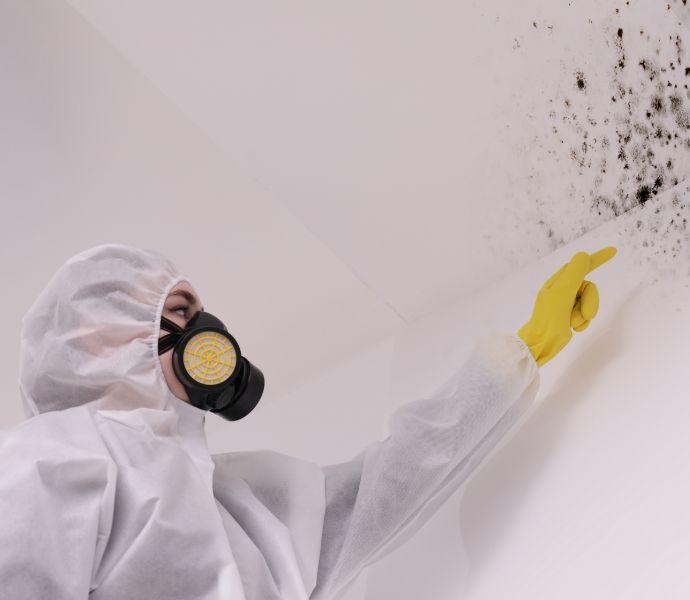

⚠️ Health Effects Reported in Damp & Mould-Affected Environments
One of the most alarming aspects of hidden mould growth is that many occupants begin experiencing physical discomfort long before they realise mould is actively developing inside the property.
Because mould commonly spreads behind walls, beneath flooring, inside ceilings, or within insulation, people are often exposed to airborne spores daily without seeing obvious visible contamination. In many cases, the environment may look relatively normal while indoor air quality gradually deteriorates over time.
While these symptoms can have multiple causes, they are commonly associated with prolonged exposure to damp indoor conditions and elevated concentrations of airborne mould spores.
Individuals with asthma, allergies, weakened immune systems, or existing respiratory conditions are often more sensitive to changes in indoor air quality caused by persistent mould growth. Children and older adults may also be more vulnerable in prolonged exposure environments.
One of the most concerning aspects is that people often adapt gradually to the smell and atmosphere inside the property without realising how abnormal the indoor conditions have become. Over time, occupants may stop noticing the musty odour entirely while hidden mould continues spreading through concealed areas of the building.

⚠️ The Roof, Pipe, and Gutter Issues That Trigger Mould Growth

What Causes Mould Growth in Buildings?
When these issues are left unresolved, mould does not remain localised. It spreads gradually through porous materials, often hidden from sight until the damage becomes extensive.
The primary driver of mould growth is excess moisture, which is usually caused by underlying building issues rather than surface-level dirt or neglect. Common structural and environmental causes include:
- Leaking roofs allowing water ingress into loft spaces and ceilings
- Faulty or overflowing gutters causing external wall saturation
- Plumbing leaks from pipes behind walls or under floors
- Condensation caused by poor ventilation in bathrooms and kitchens
- Damp penetration through damaged brickwork or ageing mortar
Book a Mould Inspection Today
If you are experiencing damp patches, musty odours, condensation issues, or visible mould growth, a professional inspection can identify the true cause before the problem spreads further. Book a mould inspection today to uncover hidden growth, assess the severity, and prevent further structural damage.
⚠️ Can Mould Be Completely Eliminated? ⚠️
- You cannot completely eradicate mold spores from an indoor environment. The only effective way to stop mold growth is to control and eliminate the moisture source.
- The real danger is not the presence of spores, but the conditions that allow them to grow uncontrollably. Once moisture is present, mould can escalate from a minor issue into a widespread contamination problem.
- Professional remediation focuses on removing active growth and treating affected areas, but long-term success depends on identifying and resolving the underlying moisture source.
Domestic clients 020 3404 3444
Business clients 020 3746 1062
Skip the line, request and
book a service online
