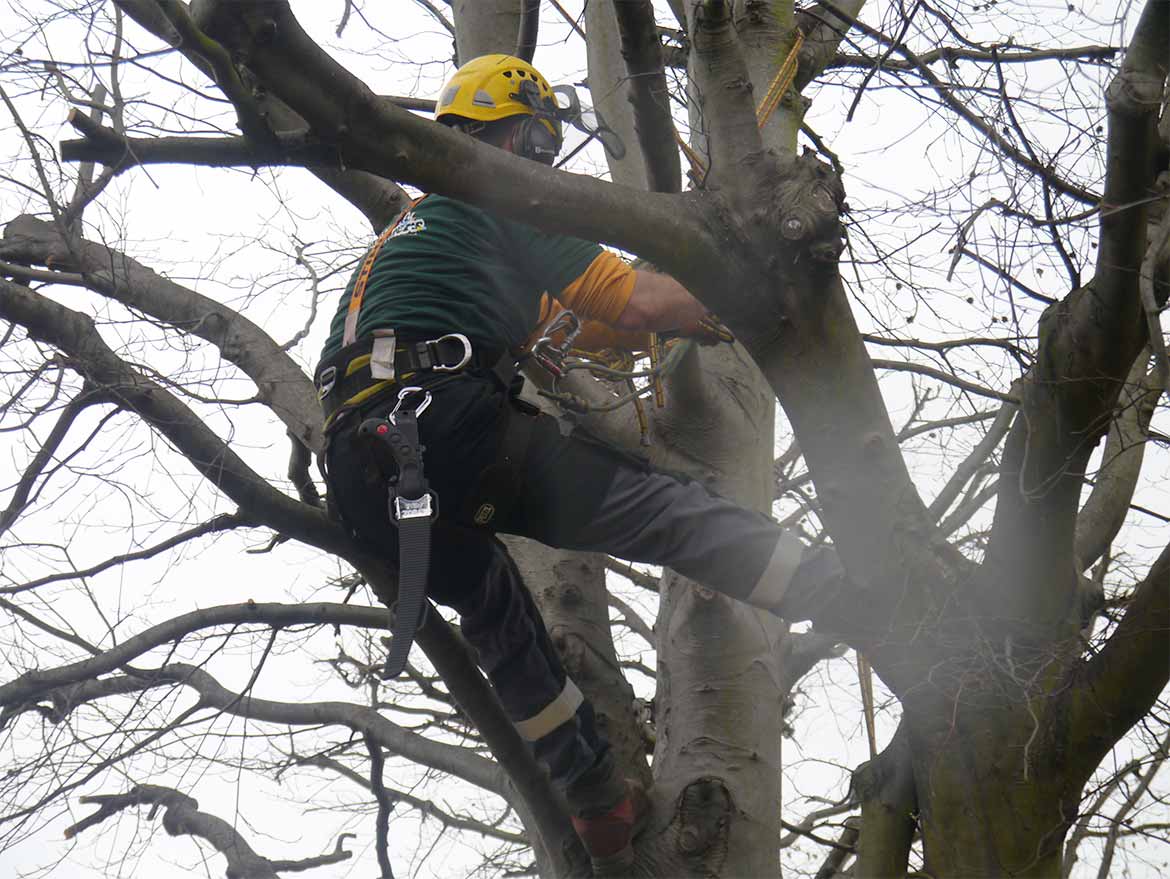
Under a mature canopy, effort is rarely the limiting factor. A garden in the WD3 valley with oak, beech or a stand of conifers over it is competing for two things that cannot be bought: light and water. The tree takes both first, and it takes them from a root system that extends well beyond the spread of the branches, through the top layer of soil where everything else is trying to grow. That is why the annual routine of seed, feed and hope under a big tree produces the same result every year, and why a different approach is needed rather than a greater effort.
Dry shade, described honestly
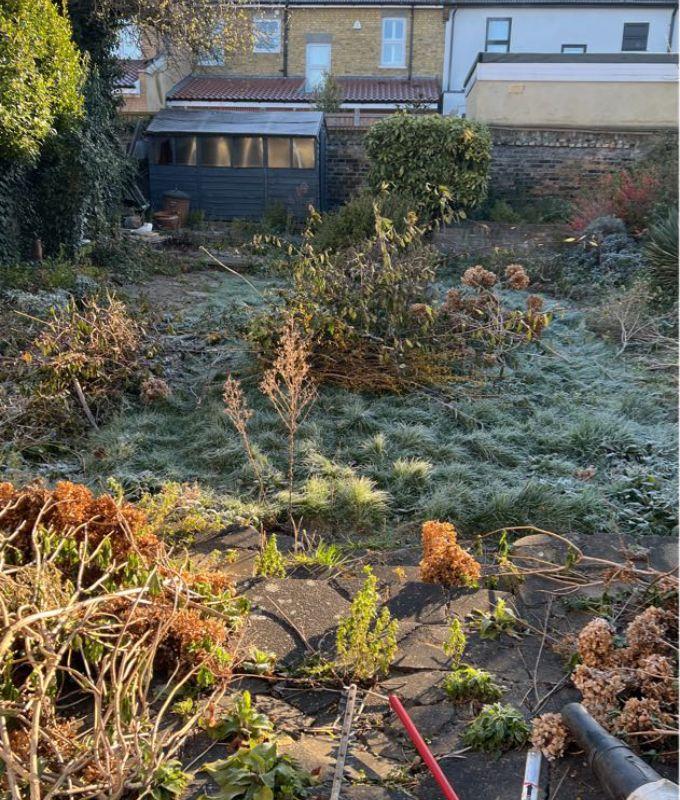
The ground beneath a large deciduous tree receives less rain than open ground, because the canopy intercepts it and channels it out to the drip line, and what does arrive is taken up immediately by a dense mat of fine roots. Under evergreens it is worse still, since the canopy sheds water all year. The result is soil that is dry in August and often dry in February too, low in nutrients, and physically difficult to plant into. Recognising it as dry shade rather than simply shade changes every subsequent decision.
Grass under a canopy
Turf needs more light than almost anything else grown in a garden, and beneath a heavy canopy it thins, moss takes over and the surface compacts. Options in order of honesty: thin the canopy to raise light levels, accept a rougher sward cut higher and less often, or stop growing grass there. Replacing it with a mulched circle out to the drip line, shade-tolerant ground cover, or a bark-surfaced area where people walk removes the annual failure and generally looks better. Where grass is kept, the reseeding is done in early autumn while the leaves are still up, not in spring.
Letting light in without spoiling the tree
Crown thinning removes a proportion of the smaller interior branches so more light passes through without changing the outline. Crown lifting takes off the lowest limbs and raises the canopy, which lets low morning and evening light underneath and is often the most effective single intervention. Both are specialist work, and both need checking against preservation orders and conservation area status before anything happens, since much of the tree cover here is protected. Reducing a tree's height rarely helps the ground beneath it and damages the tree.
Planting into root-filled ground
Digging a conventional hole among structural roots is neither possible nor desirable. Planting goes into the gaps, in smaller sizes that establish faster than large specimens, each set into a generously improved pocket, and watered through the whole first year without exception. Autumn planting gives the best chance. Epimedium, hardy geraniums, euphorbia, dryopteris ferns, sarcococca, vinca, pulmonaria and the small spring bulbs all cope with these conditions once established, and a bed built from a handful of species repeated reads far better than a collection of singletons struggling.
Leaf litter as an asset
A heavy leaf fall in a wooded valley garden is the free solution to the organic matter problem, provided it is used rather than simply cleared. Leaves come off the lawn and the hard surfaces, but in beds under the canopy they are left or topped up as a mulch, which is exactly what the woodland floor these plants come from would have. Stacked separately, the surplus makes leaf mould within two years. What it should not do is sit in a heap against a shed or outbuilding, where it becomes an undisturbed winter shelter, and anything found occupied goes to domestic cleaning services in Rickmansworth rather than being turned over.
Surfaces in permanent shade
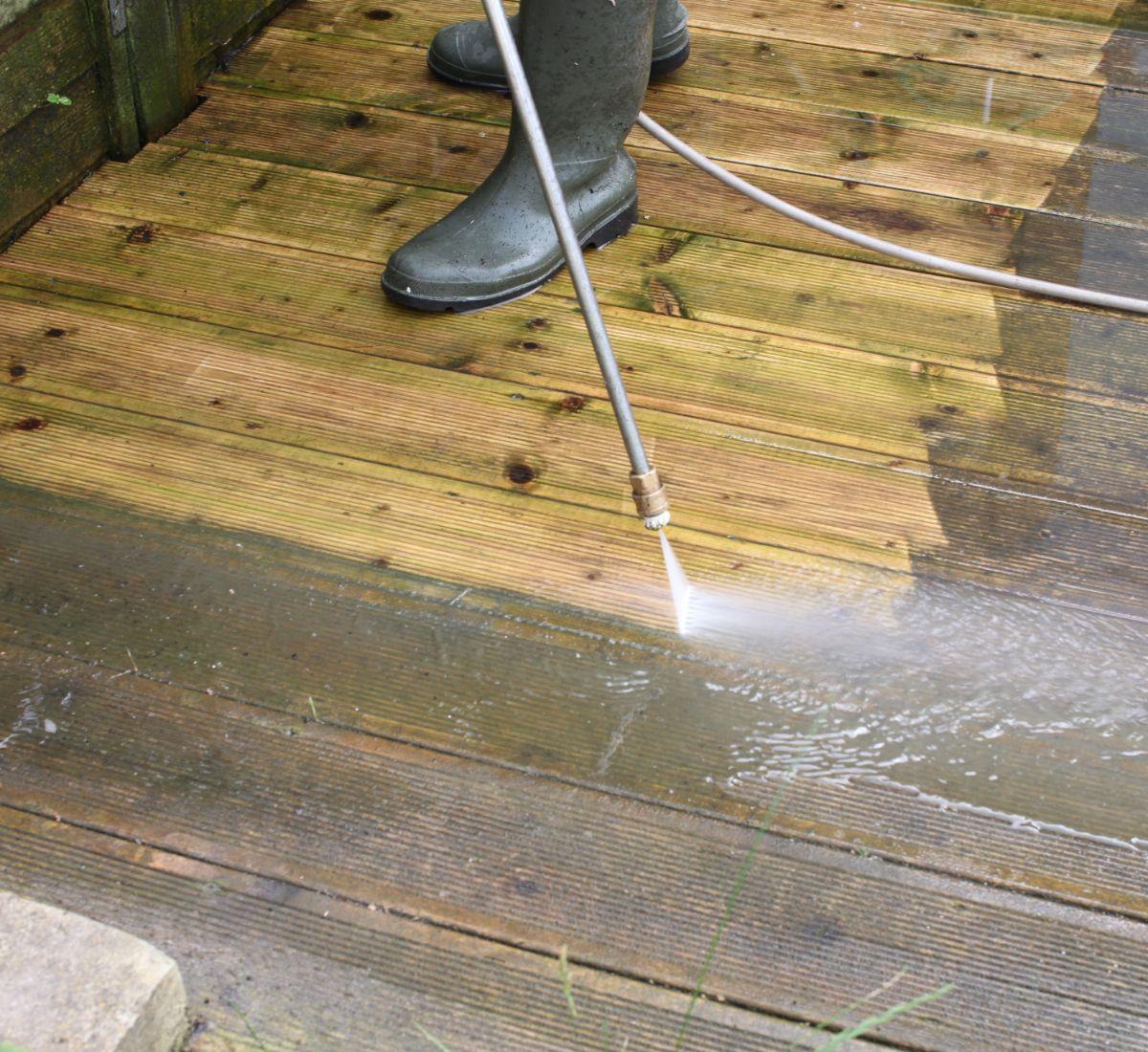
Paths, steps and decking under trees hold moisture and grow an algae film that is genuinely dangerous from October onwards, and in a valley garden with slopes and steps that is a real risk rather than a cosmetic one. Clearing leaves promptly slows it; once the film is established, experienced path and paving cleaning in Watford deals with it properly. Timber decking and stone need different treatment, which is worth saying before anyone reaches for a lance.
Arranging work in a wooded garden
Visits are weighted heavily towards autumn here, with the leaf fall handled over several attendances rather than one, and quoted by the time and the volume of material leaving. Tree work is programmed separately and a season ahead where consent is needed. Where a garden is being reset between tenancies, the interior is generally handled in the same week by same-day end of tenancy cleaning in Rickmansworth. Gardens on the open ground north of the valley are covered by experienced garden clearance in Abbots Langley, and the overall structure of a maintenance agreement is on fully insured garden maintenance.