Black spotting in the corner of a bedroom ceiling, along a window reveal or behind a wardrobe on an outside wall is the complaint that brings most WD3 households to a cleaner, and it is worth saying plainly that cleaning alone will not end it. Mould grows where a cold surface meets humid air for long enough. Removing the growth is a genuine job with a correct method, but unless the conditions change it returns, usually to the same square foot of plaster.
Why the river valleys make it worse
Much of the district sits low, in the Chess, Gade and Colne valleys, where ground moisture is high and morning air sits in the bottom of the valley well into the day. Older cottages and pre-war houses here have solid walls with no cavity, so the internal face of an external wall runs several degrees colder than the room. Add drying washing, a bathroom without a working fan and closed trickle vents, and condensation has somewhere to land every single night. The same valley-bottom conditions continue north along the Gade into the villages covered by cleaning services prices in Kings Langley.
Removing growth without broadcasting it
Dry brushing a mouldy surface is the worst possible first move, because it releases spores into the room air and seeds the next colony. The surface is wetted first with an appropriate biocidal solution, left to work, then wiped in one direction with a disposable cloth that goes straight into a bag rather than back into a bucket. Ventilate during and after, keep the affected room isolated from the rest of the house, and expect discoloration on emulsion to need repainting once dry.
Sub-floor voids and the smell that reaches the hall
Suspended timber ground floors in the older stock rely on airbricks, and those get blocked by raised patios, decking, soil creep or simply a flowerbed built up over the years. The void goes stagnant and the smell rises through gaps at the skirting. No amount of surface cleaning touches it. Where planting and levels around the house are the cause, clearing them back through our gardening in Rickmansworth does more for the indoor air than anything applied inside.
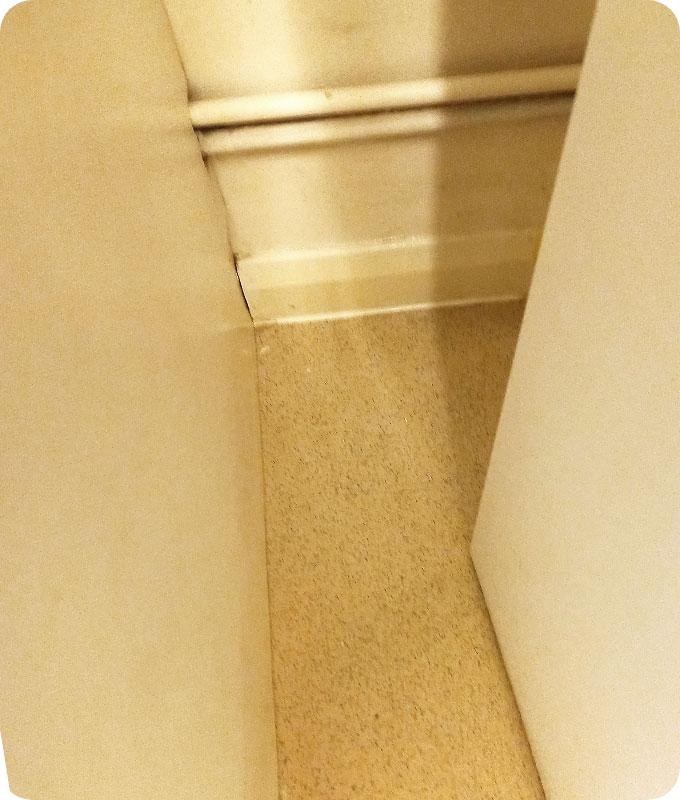
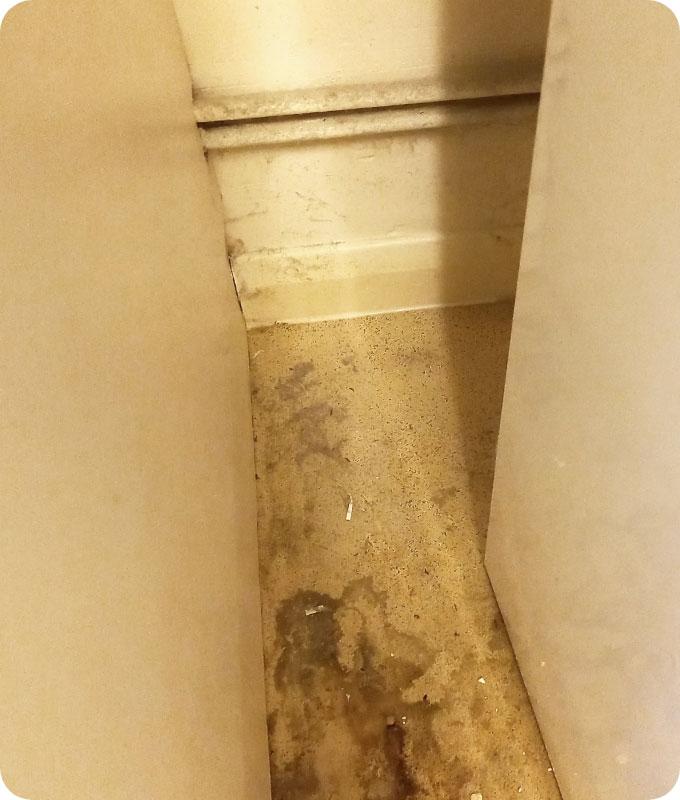
Furniture pushed flat against an external wall creates exactly the still, cold pocket mould wants. Pulling wardrobes and beds forward by a hand's width is a permanent fix that costs nothing. During a routine visit the backs of those pieces are checked rather than assumed, along with the inside of built-in cupboards on outside walls, where leather, wool and cardboard are the first things to bloom. Stored items are better off boxed in plastic than cardboard.
When the whole house needs bringing back
Where several rooms are affected, the sensible order is one thorough session covering every affected surface, ventilation checks and the high-level dust that has accumulated alongside, before any routine starts. That kind of single long session is described under flexible deep cleaning in Radlett, and it gives a maintenance schedule something to maintain. Trying to work through a backlog in weekly two-hour slots keeps everyone busy and fixes very little.
The end of a tenancy in an older property
Damp marks are a familiar flashpoint at check-out, because a landlord sees a cleaning failure and a tenant sees a building fault. Documenting the condition, treating what is treatable and cleaning the rest to the inventory standard is the practical response, and it is the specification covered by professional deposit-back cleaning in Rickmansworth. Photographs taken before and after the work are worth more in a deposit dispute than any assurance given afterwards.
Setting up regular help
Ongoing visits are charged by time, and older houses with more rooms and more corners simply take longer than an open-plan modern build of the same floor area. Parking is straightforward on most residential roads here but tight on the older lanes, so a slot is agreed with that in mind. The full description of what a general clean covers, and of the tasks that sit outside one, is on our cleaning service.