Mould Removal and Remediation Plaistow
Professional mould treatment and removal services designed to eliminate mould at its source and control moisture levels for lasting results.

Professional mould treatment and removal services designed to eliminate mould at its source and control moisture levels for lasting results.

The cost of mould removal depends on the size of the affected area and the type of treatment required. After a detailed inspection a clear, personalised quote is provided based on the scope of work.
| Small mould area (e.g. around a window or corner) | Medium mould area +£100 (large section of a wall affected) | Large mould area +£150 (more than one wall or ceiling) | ||||
|---|---|---|---|---|---|---|
| Room | Standard | Fantastic Club* | Standard | Fantastic Club* | Standard | Fantastic Club* |
| Bedroom | £350 | £320 | £450 | £420 | £500 | £470 |
| Bathroom | £350 | £320 | £450 | £420 | £500 | £470 |
| Kitchen | £350 | £320 | £450 | £420 | £500 | £470 |
| Living / Dining room | £350 | £320 | £450 | £420 | £500 | £470 |
| Hallway / Landing | £350 | £320 | £450 | £420 | £500 | £470 |
| Utility room | £350 | £320 | £450 | £420 | £500 | £470 |
| Paid inspection | £50 | |||||
| *Price for members of the Fantastic Club. The Fantastic Club is a yearly subscription of £89. | ||||||
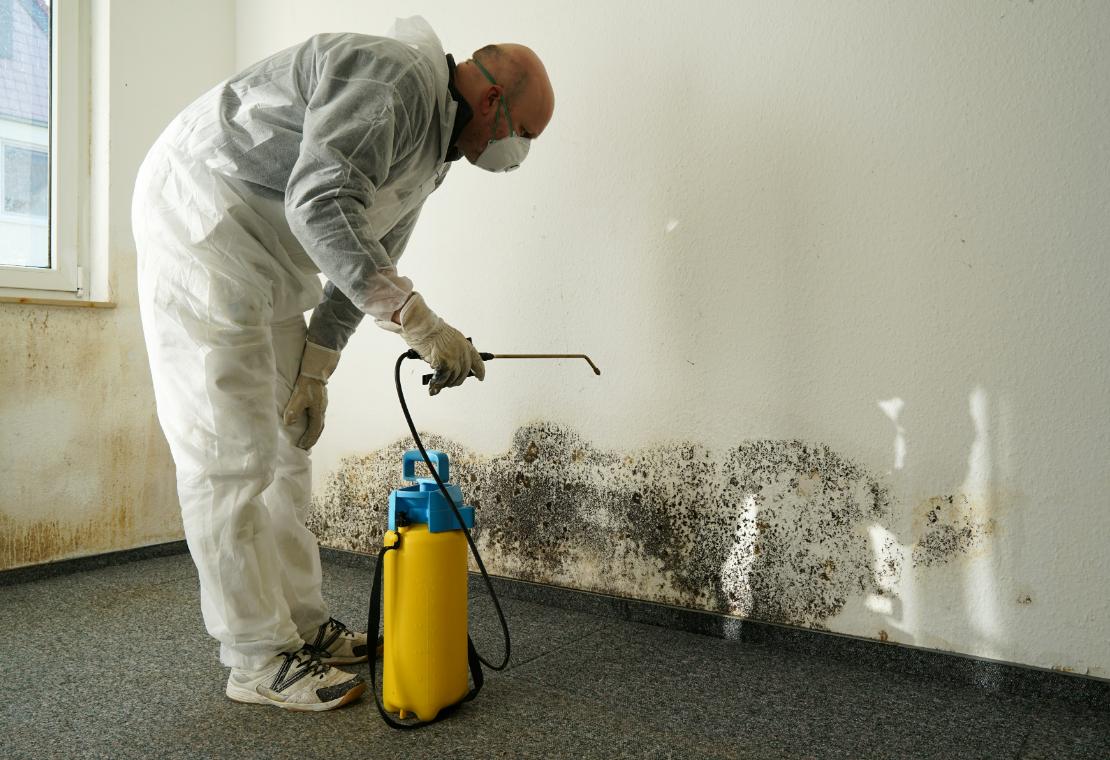
Our mould removal in Plaistow begins with a comprehensive inspection and moisture assessment to identify the root cause and extent of contamination. Commonly, mould growth is fueled by factors such as condensation, high humidity, poor ventilation, or water damage. By identifying the source of the problem, we can implement effective solutions that ensure long-term results and prevent recurring issues. Our mould cleaning Plaistow service focuses on structural surfaces like walls, ceilings, and floors, where mould typically manifests. It's important to note that this service does not extend to soft furnishings like carpets or textiles.
Professional mould remediation in Plaistow transcends mere surface cleaning. We proactively address airborne mould spores, which can negatively impact indoor air quality and potentially harm your health. Our treatments are designed to eliminate existing mould while preventing future growth. By opting for our damp and mould removal services, you not only protect your health from the dangers of mould exposure but also safeguard your property against structural damage. With our thorough mould inspection and targeted mould spores removal strategies, you're ensuring a safer and healthier living environment.
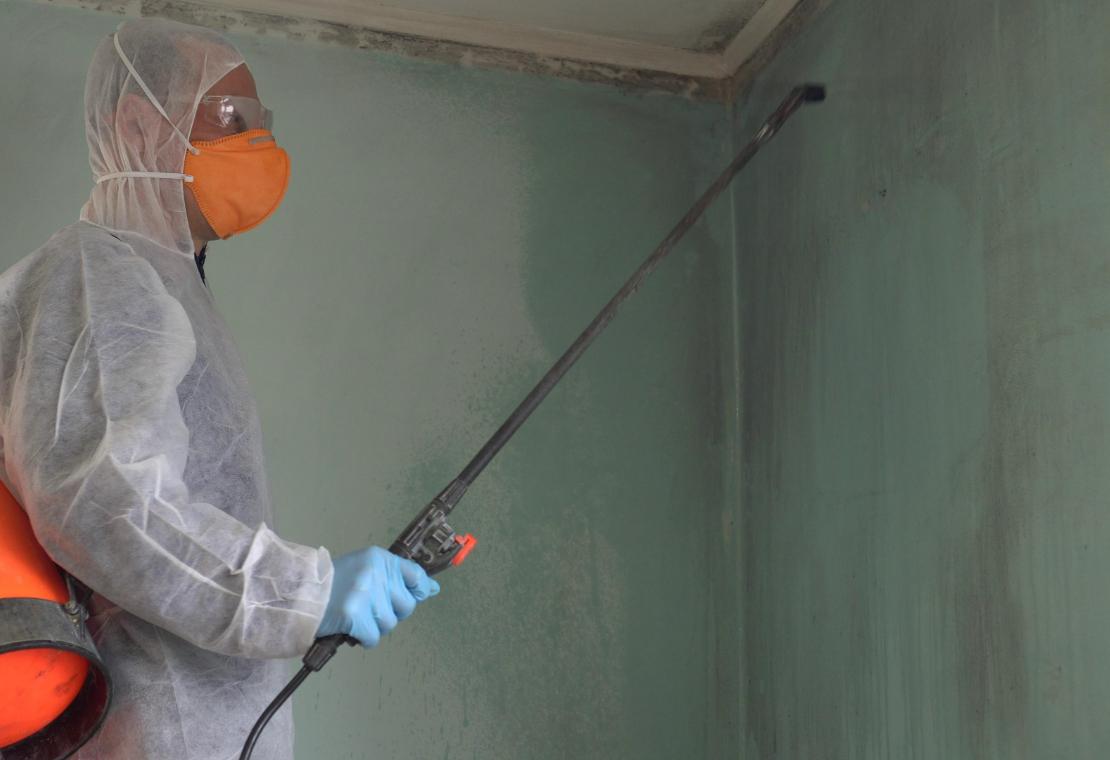
The mould remediation process in Plaistow begins with a comprehensive inspection and moisture assessment. Utilizing professional-grade hygrometers allows technicians to detect hidden damp conditions that are not immediately visible. Identifying areas of excess moisture is crucial as it not only aids in addressing existing mould problems but also helps prevent recurrence in the future. Once the moisture sources are identified, the use of HEPA filtration systems and air scrubbers become essential. These devices effectively capture airborne mould spores, ensuring that indoor air quality remains safe throughout the entire remediation process.
The next step involves the application of HOCl (Hypochlorous Acid) treatment, a professional-grade, non-toxic solution that neutralizes mould, bacteria, and mycotoxins at a microscopic level. Complementing this is the use of ULV (Ultra-Low Volume) fogging technology, which disperses the treatment evenly through the air, reaching hidden areas like corners, cracks, and behind surfaces. Following this, the physical removal of mould is conducted using professional equipment equipped with H-Class filtration to safely contain and eliminate contaminants. Finally, a thorough air purification process is implemented, significantly reducing airborne spores and enhancing indoor air quality, ensuring long-term protection from damp and mould in Plaistow.
Booking mould cleaning is quick and designed to get results without unnecessary delays.
Share what you’re dealing with, whether it’s visible mould, damp patches, or a recurring problem. This helps determine the right approach, from mould cleaning to full mould remediation.
A specialist checks the affected areas and identifies what’s causing the mould, such as excess moisture, condensation, or poor ventilation. This ensures the issue is treated properly, not just on the surface.
You’ll get a straightforward quote based on the level of contamination and the type of mould removal required. The service is tailored to ensure effective results and long-term protection.
The treatment removes mould and improves indoor air quality, helping to prevent future growth and create a healthier living space. It also targets the root cause of the problem for longer-lasting results.
Mould removal requires more than basic cleaning, which is why it’s handled by trained mould remediation specialists experienced in treating both visible and hidden contamination. Each specialist assesses the full extent of mould growth, including underlying causes such as excess moisture, condensation, and ventilation issues, ensuring the problem is addressed properly rather than just on the surface.
Number of bookings: 139
With Fantastic Services for: 2 years
Other specialities:
Number of bookings: 3178
With Fantastic Services for: 4 years
Other specialities:
Number of bookings: 298
With Fantastic Services for: 3 years
Other specialities:
Alongside professional mould removal and mould cleaning, a range of additional property care services is available to help maintain a healthier indoor environment.
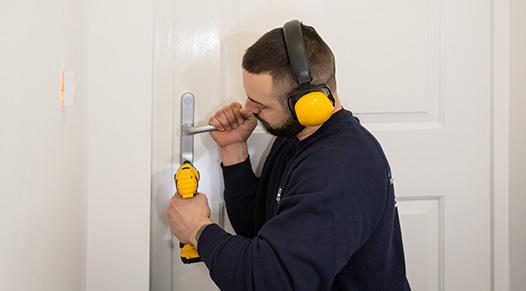

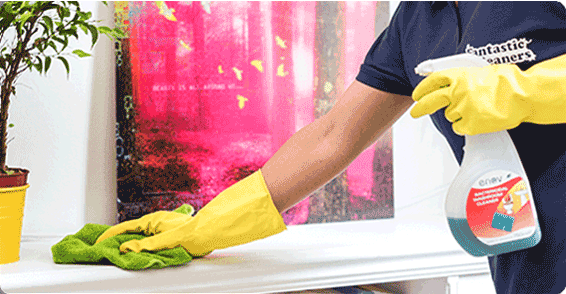

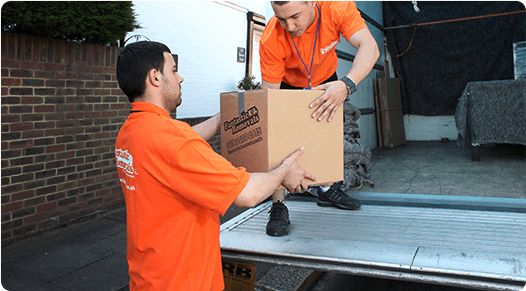


Mould can spread quickly and impact both health and property if not treated in time. Book a service today to remove mould, improve indoor air quality, and restore a cleaner and healthier living environment.
A fan that makes a noise is not the same as a fan that moves air. That distinction explains a great deal of the mould in E13, where the mix of Victorian terraces, post-war infill and converted flats has collected decades of ventilation retrofits: axial fans fitted into old vent holes, ducting run wherever there was space, kitchen extract blanked off during a refit, and the occasional loft-mounted unit nobody has looked at in years. The equipment is present, and the air change it was meant to deliver frequently is not.
An extract fan has a rated airflow on the box and an installed performance that can be a fraction of it. Long duct runs, tight bends, crushed flexible ducting, a partially blocked external grille and a stiff backdraught shutter all impose resistance the fan was never specified for. Airflow can be measured at the grille with a vane anemometer or a flow hood, and comparing that reading against what the room requires turns a guess into a fact. A fan delivering a fraction of its rating is the reason a bathroom still streams with condensation.
Three approaches are used in housing of this kind. Intermittent extract runs on a switch, a humidistat or an overrun timer and deals with a peak. Continuous low-rate extract, running quietly all the time in the wet rooms and boosting when needed, deals with the background moisture that intermittent fans miss entirely. Positive input ventilation takes a different route again, introducing filtered air from a loft-mounted unit to gently dilute humidity across the whole dwelling. Each suits a different property, and specifying the wrong one wastes the installation.
A loft unit suits a house with a usable roof space, a reasonably open internal layout and a general humidity problem across several rooms. It is much less suitable for a flat with no loft, and it will not solve a localised wet-room problem or a penetrating damp defect. It also needs somewhere for the displaced air to leave, which means background ventilation must exist, and it works poorly in a house where every internal door is kept shut and every vent is taped over.
The route matters as much as the unit. Rigid or semi-rigid duct rather than concertina flexible, insulated where it crosses a cold space so that condensate does not form inside it, the shortest practical run with sweeping bends, a terminal with a free area that does not strangle the outlet, and a door undercut or transfer grille so replacement air can reach the room. Any one of those missing will undo the rest, and none of them is expensive at the time of installation.
A ventilation installation should end with a measured airflow reading and a plain explanation of how the unit is meant to run. Occupants who are told a fan should be left alone do not switch it off; occupants told nothing usually isolate it at the first opportunity because of the noise. Recording the commissioned figure also means that if condensation returns in two years, the airflow can be measured again and compared rather than argued about.
Fitting the unit, coring a wall, running and insulating duct, cutting in a terminal, undercutting doors and making good afterwards is work for a local professional, and it is the practical half of any ventilation recommendation. External terminals and cowls are also a favourite nesting spot, and a nest packed into a duct outlet stops an otherwise sound system dead, so trusted flea treatment in Plaistow clears and protects those where that is what has happened. Adjacent districts are covered by Wanstead damp and mould treatment, cleaning services specialists in Newham deals with cleaning after installation and plastering work, and the treatment side of remediation is described on the nationwide mould removal and remediation services page.
A ventilation assessment covers each wet room, the existing fans and their duct routes as far as they can be traced, the external terminals, the background ventilation in habitable rooms and the door gaps between them, with airflow measured where there is something to measure. The report recommends a system type and capacity rather than a product, and prices are built from the unit, the duct run and the making good, so a bathroom fan replacement and a whole-house installation are quoted as quite different jobs.