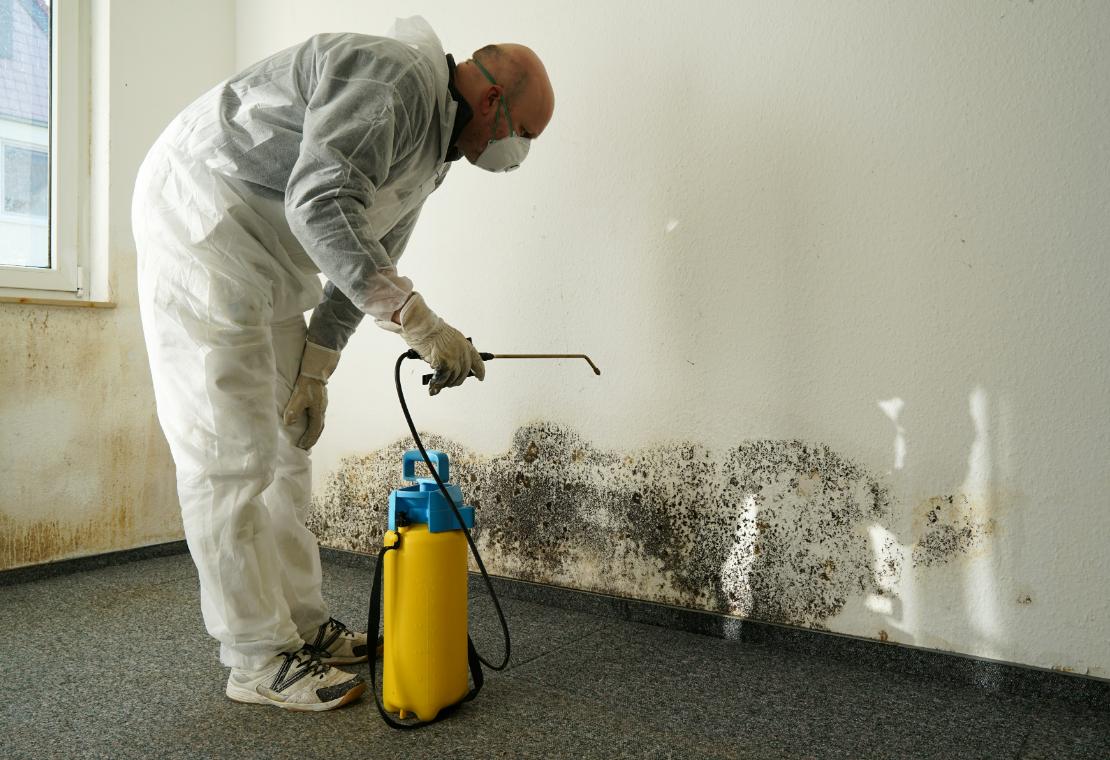
Condensation mould appears where a room is coldest. Leak-driven mould appears where the water is, which is frequently nowhere near the surface it eventually stains. East Ham terraces in E6 have had bathrooms fitted into back bedrooms and built over rear extensions, with supply and waste pipes threaded through floors and boxed into corners, and a joint weeping a few drops an hour into a floor void can feed growth for months before anything is visible in the room above or below it.
The patterns that indicate a leak
Several signs separate escaping water from air-borne moisture. A patch that does not change with the weather and does not respond to ventilation is unlikely to be condensation. Growth on a ceiling directly below a bathroom, or a skirting board that is wet at one end and dry at the other, points to a fixed source. Readings that climb steadily as the meter approaches one point, rather than being spread across a cold wall, indicate the same. So does a persistent smell in a cupboard that holds pipework, which is often the earliest signal of all.
Finding it without demolishing the room
Investigation is methodical rather than destructive. Thermal imaging highlights the cooling effect of evaporating water on a surface, which frequently reveals the shape of a wetted area behind tiles or plasterboard. A moisture map, taken on a set grid across the suspect area, identifies the wettest point. Then each fitting is tested separately under real conditions: a bath filled and drained rather than merely run, a shower tray flooded and left standing, a waste connection watched under load, a washing machine cycled while the void beneath is observed. Testing dry proves nothing, because most of these joints only leak when they are working.
The usual culprits in a retrofitted bathroom
Bathrooms added to older terraces fail in predictable places. A shower tray bedded on a flexing timber floor and sealed only with mastic will crack that seal within a year. Tiling with failed grout and no waterproofing membrane behind it lets water through to the substrate at every use. An over-tightened compression joint on a waste weeps rather than drips. A washing machine standpipe with no trap seal or a soil branch laid with too little fall keeps water standing where it can find a joint. None of these produce a dramatic leak, which is precisely why they run for so long.
Repair, then dry, then treat
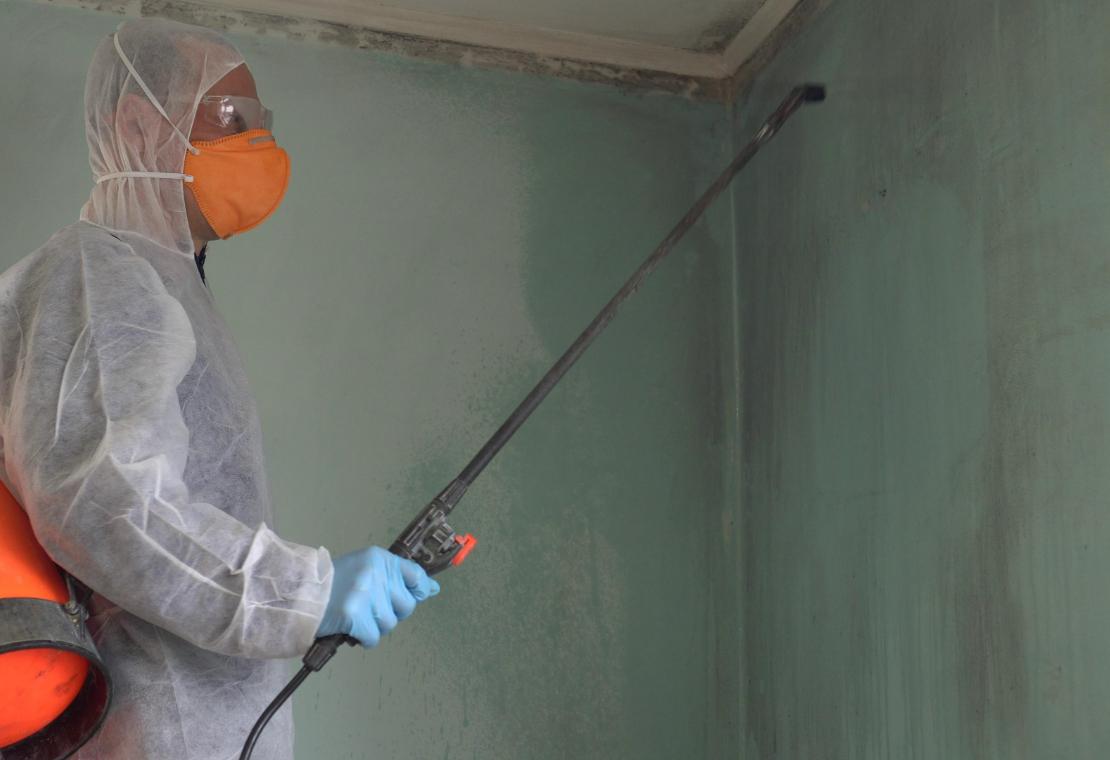
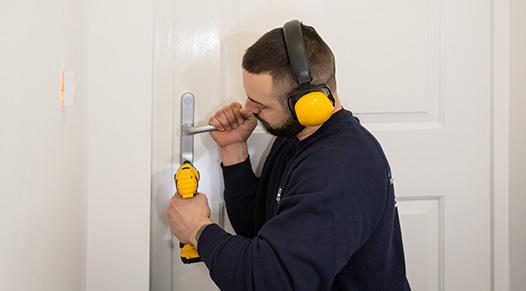
Order is not negotiable. Treating a surface while water is still arriving behind it wastes the treatment. Once the defect is fixed, the structure has to be dried, and that often means removing a bath panel, lifting a section of floor or taking off a length of boxing so that air can actually reach the wet material. Re-sealing a tray, refitting panels and making good tiling is work covered by professional handyman services in East Ham, and it is scheduled after drying rather than before. Damp floor voids in these terraces also attract rodents, and pest control for landlords in East Ham addresses that where an inspection finds both.
Nearby coverage and reinstatement
The same retrofitted bathrooms are found throughout the district, where experienced condensation treatment in Beckton covers the adjoining area. Once repairs and drying are complete, a bathroom or the room below it needs a thorough clean before it is used normally, and what the service covers deals with that. Investigation methods and guarantee terms are set out on trusted mould remediation.
Records, claims and how the work is priced
Escape of water is one of the most common domestic insurance claims, and what supports a claim is documentation: dated readings at identified positions, photographs, thermal images and a written statement of cause. That same document settles arguments between a landlord, a tenant and a neighbouring leaseholder about who caused what. The investigation visit is priced on its own, with repair, drying by duration and internal treatment quoted separately once the source is known. Before the appointment it helps to locate the stop tap, clear access to any boxing and bath panel, and arrange access to the property below where the staining is on a ceiling.