Run a hand along the inside of a bay window in a Forest Gate house on a cold morning and the reason for the mould in that room is usually obvious within seconds. E7 has rows of larger Victorian and Edwardian villas with deep bays, wide timber sash boxes and generous reveals, a great many of them subdivided into flats. The window is the coldest plane in the room by a wide margin, the reveal beside it is thin masonry, and the cill collects everything that runs down the glass.
Original sashes, sealed sashes and what changed
A loose original sash leaked air continuously. That was wasteful and draughty, and it also kept the room dry, because the moisture produced indoors had a permanent route out. Two later interventions removed that route without replacing it. Draught-proofing an original window seals the gaps without adding any controlled ventilation. Replacement units fitted with no trickle ventilators do the same thing more completely. In both cases the moisture load stays the same while the air path disappears, and the coldest surface in the room collects the difference.
The damage water does to the joinery
Condensate is not only a mould question in these houses; it rots the window from the bottom up. Water running down the glass gathers in the frame rebate and the joint between cill and box, paint blisters and lifts, and the bottom rail and cill soften where end grain has been left exposed. Plaster immediately below the cill goes chalky and eventually fails. Growth colonises the reveal corners and the underside of the cill first, which is why cleaning the glass and the visible frame never seems to make much difference.
Putting ventilation back without losing the window
Options depend on the joinery. Trickle ventilators can sometimes be formed through the head of a frame or through the sash box itself where the section allows it. Where the window cannot be altered, a discreet through-wall ventilator in the reveal or beside the head achieves the same effect. Secondary glazing does something different and often more useful: it raises the temperature of the internal surface, which shrinks the condensing area substantially without touching the original window. On a subdivided property these choices may also need agreement from a freeholder.
Reveals, blinds and heavy curtains
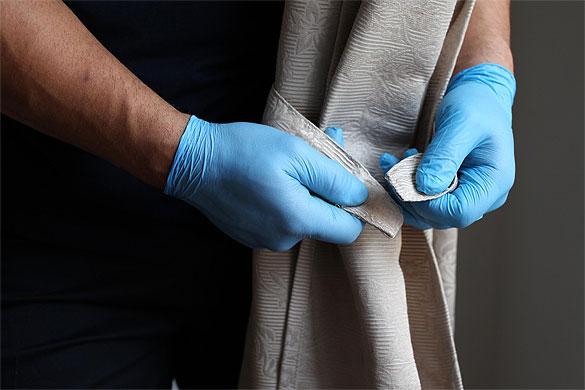
Soft furnishings quietly make the problem worse. A full-length curtain drawn across a radiator under a bay pushes warm air out through the glass and leaves the reveal colder than the rest of the room. A blind fitted tight into the frame traps a layer of still cold air against the glass. Growth then appears in a line exactly where fabric meets plaster. Easing and re-seating sashes, splicing a rotten section of cill, fitting ventilators and re-sealing the cill-to-plaster junction is joinery work covered by handyman cover across Forest Gate. Open sash boxes and rotten frames are also an entry point for insects and rodents, and fully insured cockroach control in Forest Gate deals with that where it is found.
Related trades and nearby coverage
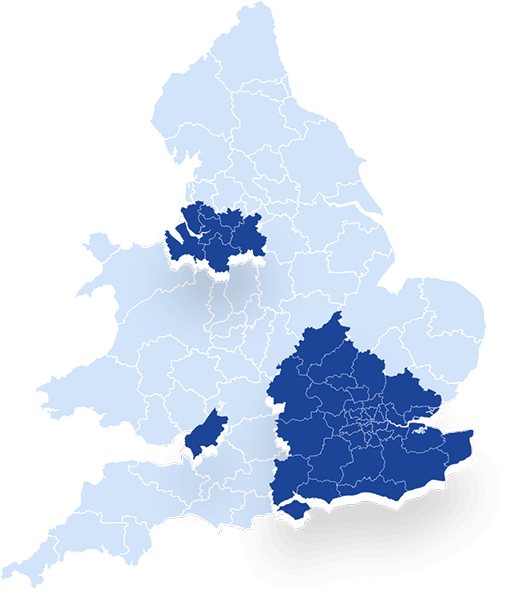
Wiring a new extract unit or a timed heater into a bathroom or bedroom circuit is notifiable electrical work, and electrical services prices in Dalston covers that trade. The same subdivided villas run through neighbouring districts, where local mould removal services in Homerton covers similar stock. What happens to the reveal and the wall once the joinery is sound is described on damp and mould treatment.
Sequence of works and what to clear
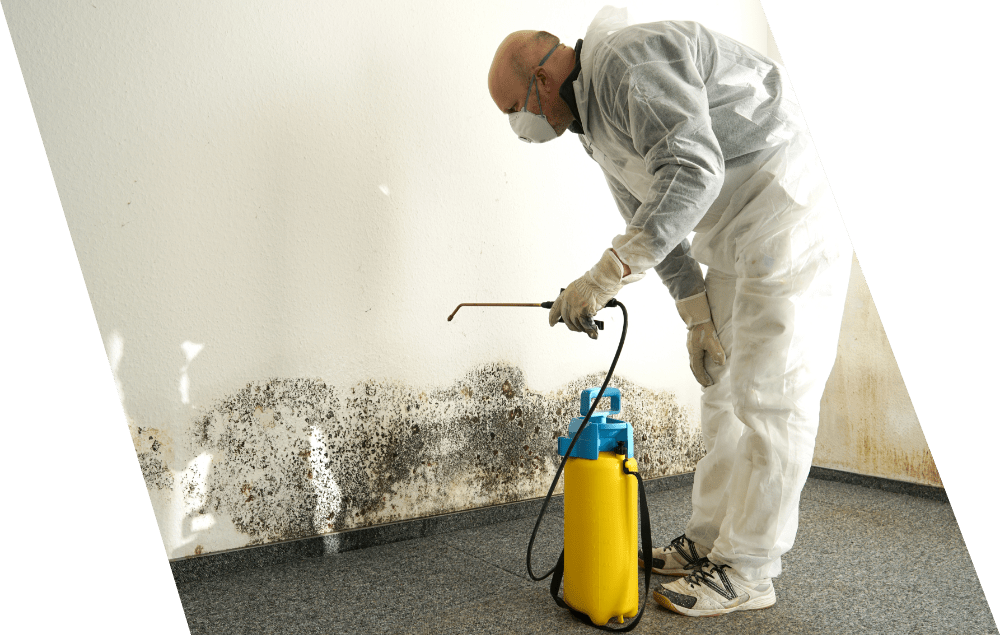
Joinery and ventilation come first where the window is the cause, because treating a reveal that will be wet again by next week is wasted effort. Plaster below the cill is assessed once the timber is sound: sometimes it dries and takes a permeable finish, sometimes it has to come off. Only then are the reveal and the surrounding wall treated and redecorated. Preparation is simple but necessary: take down blinds and curtains, clear the window seat and pull furniture out of the bay so the whole reveal is reachable. Pricing is by the number of windows involved and by whether plaster replacement and redecoration form part of the scope, with the initial assessment booked as a separate visit.