


Mould Removal and Remediation Limehouse
Complete mould removal services focusing on damp-affected areas and structural surfaces to restore healthy indoor air.

Complete mould removal services focusing on damp-affected areas and structural surfaces to restore healthy indoor air.

The cost of mould removal depends on the size of the affected area and the type of treatment required. After a detailed inspection a clear, personalised quote is provided based on the scope of work.
| Small mould area (e.g. around a window or corner) | Medium mould area +£100 (large section of a wall affected) | Large mould area +£150 (more than one wall or ceiling) | ||||
|---|---|---|---|---|---|---|
| Room | Standard | Fantastic Club* | Standard | Fantastic Club* | Standard | Fantastic Club* |
| Bedroom | £350 | £320 | £450 | £420 | £500 | £470 |
| Bathroom | £350 | £320 | £450 | £420 | £500 | £470 |
| Kitchen | £350 | £320 | £450 | £420 | £500 | £470 |
| Living / Dining room | £350 | £320 | £450 | £420 | £500 | £470 |
| Hallway / Landing | £350 | £320 | £450 | £420 | £500 | £470 |
| Utility room | £350 | £320 | £450 | £420 | £500 | £470 |
| Paid inspection | £50 | |||||
| *Price for members of the Fantastic Club. The Fantastic Club is a yearly subscription of £89. | ||||||
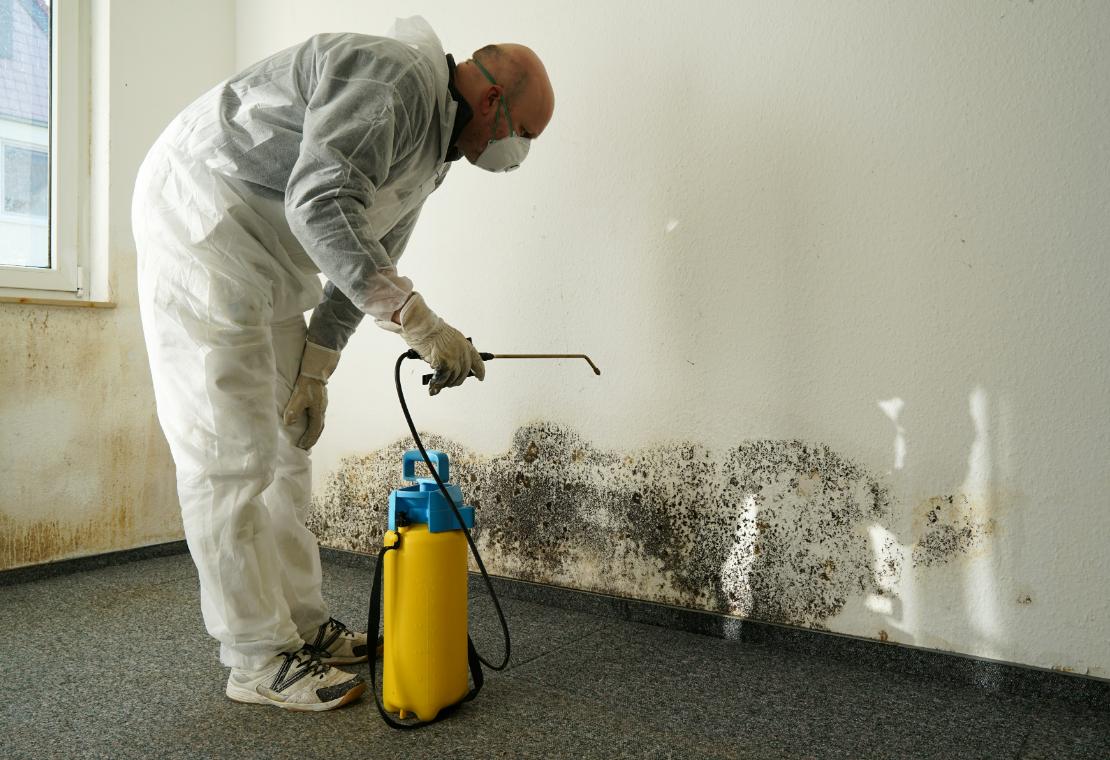
Mould removal in Limehouse is essential for maintaining a healthy living environment. The process involves thorough mould cleaning, which includes inspecting the premises to locate moisture sources and remediate any issues effectively. Mould remediation in Limehouse goes beyond just the removal of mould; it focuses on eliminating the causes that lead to its growth, ensuring long-term protection. Treatment primarily covers structural areas like walls, ceilings, and floors, while methods are adjusted for soft furnishings to avoid contaminating them.
Experts utilize a range of specialised equipment to accurately assess humidity levels, evaluate ventilation performance, and identify any potential water damage. This data is critical in implementing effective condensation control strategies with the goal of enhancing moisture balance. The ultimate aim of mould remediation is to ensure that once mould is eradicated, the environment remains unfriendly to any potential future growth, thus prioritising mould prevention in your Limehouse home.
In Limehouse, our mould remediation service employs a step-by-step process beginning with a detailed inspection to identify problem areas. Next, we utilize HEPA air filtration to maintain a clean atmosphere while treatment is underway. Our treatment strategy incorporates HOCl, known for its safe and effective mould neutralization properties, ensuring that your space is not only free of existing mould but also protected against future outbreaks.
We complement the HOCl application with ULV fogging technology, which allows for an even coverage, reaching every nook and cranny. The removal process features specialized equipment with H-Class filtration for safe disposal of mould-laden material. After remediation, we focus on thorough air cleaning to enhance air quality and provide sustained protection. Our comprehensive mould removal service in Limehouse not only prevents regrowth but also boosts the overall healthiness and stability of your indoor spaces.
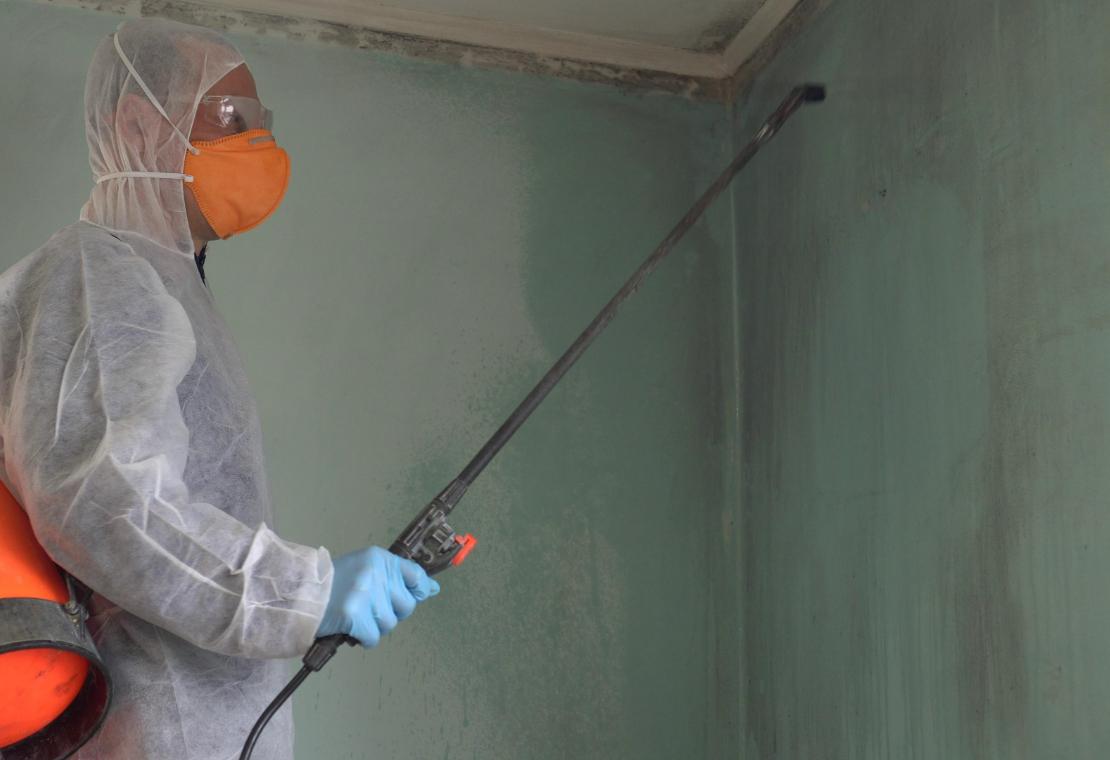
Booking mould cleaning is quick and designed to get results without unnecessary delays.
Share what you’re dealing with, whether it’s visible mould, damp patches, or a recurring problem. This helps determine the right approach, from mould cleaning to full mould remediation.
A specialist checks the affected areas and identifies what’s causing the mould, such as excess moisture, condensation, or poor ventilation. This ensures the issue is treated properly, not just on the surface.
You’ll get a straightforward quote based on the level of contamination and the type of mould removal required. The service is tailored to ensure effective results and long-term protection.
The treatment removes mould and improves indoor air quality, helping to prevent future growth and create a healthier living space. It also targets the root cause of the problem for longer-lasting results.
Mould removal requires more than basic cleaning, which is why it’s handled by trained mould remediation specialists experienced in treating both visible and hidden contamination. Each specialist assesses the full extent of mould growth, including underlying causes such as excess moisture, condensation, and ventilation issues, ensuring the problem is addressed properly rather than just on the surface.
Number of bookings: 214
With Fantastic Services for: 3 years
Other specialities:
Number of bookings: 139
With Fantastic Services for: 2 years
Other specialities:
Number of bookings: 123
With Fantastic Services for: 2 years
Other specialities:
Alongside professional mould removal and mould cleaning, a range of additional property care services is available to help maintain a healthier indoor environment.









Mould can spread quickly and impact both health and property if not treated in time. Book a service today to remove mould, improve indoor air quality, and restore a cleaner and healthier living environment.
Most of the harm done during a mould job happens in its first ten minutes. Someone scrapes a wall dry, brushes down a cupboard or pulls a mouldy carpet up through a hallway, and a concentrated cloud of spores is released into air that then circulates through the whole home. Two weeks later there is growth in a room that was previously clean. Limehouse has a mix of small Georgian and Victorian terraces with narrow halls and open-plan warehouse conversions with almost no internal doors, and both layouts make that mistake easy to commit and hard to undo.
Disturbing established growth is what releases spores; undisturbed, it largely stays put. So the working area is isolated before any removal begins. Doorways are closed off with sheeting and a zipped access, floors are protected along the route in and out, and any ventilation grille or opening into the rest of the property within the work zone is temporarily sealed. In an open-plan interior with no doors to use, temporary screens are built to create a zone, which takes longer to set up and is exactly why it gets skipped.
An air scrubber with a fine particulate filter runs in the working area, both to clean the air and to keep the zone at slightly lower pressure than the rest of the home so that air moves inwards rather than outwards. Extraction is placed at the work face where the disturbance is happening. Where the machine can discharge outside, it does. None of this is exotic equipment, but it is the difference between remediating a room and redistributing it.
Dry brushing and dry sanding are avoided. Surfaces are vacuumed with a filtered unit, wiped with the growth captured in the cloth rather than smeared, and treated with a biocide applied wet and allowed to dwell rather than sprayed and immediately wiped off. Materials that cannot be cleaned to a verifiable standard, such as paper-faced plasterboard with growth through it or porous insulation, are cut out and bagged inside the zone. Waste leaves in sealed bags by the shortest route and is disposed of under waste carrier duty of care.
Most of this work happens in an occupied home. That means agreeing which rooms are out of use and for how long, keeping the route from the front door to the work zone protected, running equipment at hours the household and the building can tolerate, and clearing the zone at the end of each day rather than leaving open bags. Households including anyone with a respiratory condition, and homes with small children or pets, are sequenced with more care and sometimes worked while the property is vacant for a day.
Once removal is complete, the area is cleaned down, readings are taken, and drying continues if the substrate needs it. Reinstatement follows in stages rather than all at once, because plaster and decoration applied to a surface that is still releasing moisture will fail. A final visit checks the treated surfaces and the readings before decoration is signed off, which also gives the household a documented end point rather than a vague assurance.
Plasterboard renewed, skirtings and architraves refitted, a cupboard rebuilt, boxing closed up and a vent installed: Limehouse handyman services covers the reinstatement, and holding it until the readings are right is the point of the whole sequence. Opening up damp cupboards and voids also disturbs the silverfish and booklice that live in them, which are a humidity indicator in their own right, and our local team deals with those where they are established rather than incidental. Comparable blocks and terraces just east are covered by mould removal services in Poplar, experienced domestic cleaning in Isle of Dogs handles the thorough clean once reinstatement is finished, and the full specification appears on the our mould removal and remediation service page.
Containment takes time to set up and take down, so a job of this kind is rarely a single short visit. Equipment needs a power supply and runs continuously, including overnight. Furniture is moved out of the work zone beforehand where possible. Costs are made up of the containment and equipment, the removal and treatment by affected area, disposal of materials, and the reinstatement, and each is itemised so the scale of a job is clear before it starts.
Skip the line, request and
book a service online

