Most of the mould found in Custom House homes is behind something. The maisonettes and low-rise estate flats around E16 were built with shallow rooms and a lot of fitted storage, and four decades on the kitchen run, the boxed boiler cupboard and the wardrobe that spans a bedroom all sit tight against the coldest wall in the property. Air never moves in the gap behind them and nothing dries. Households usually notice a smell in the cupboard weeks before they see a mark on a wall, and by then the back panels are often past saving.
Taking the room apart in the right order
Getting to a wall behind fitted units is careful joinery, not demolition. Cupboards are emptied and the contents kept out of the room. Doors and drawers come off and are labelled so they go back where they came from. Water and electrical services are isolated before any carcass holding a sink or an appliance is disturbed. Plinths lift out, sealant beads are cut rather than torn, and worktop fixings are released from underneath. Photographs at each stage save an hour at reinstatement. Rushing this stage is how a straightforward treatment turns into a new kitchen.
What the wall looks like underneath
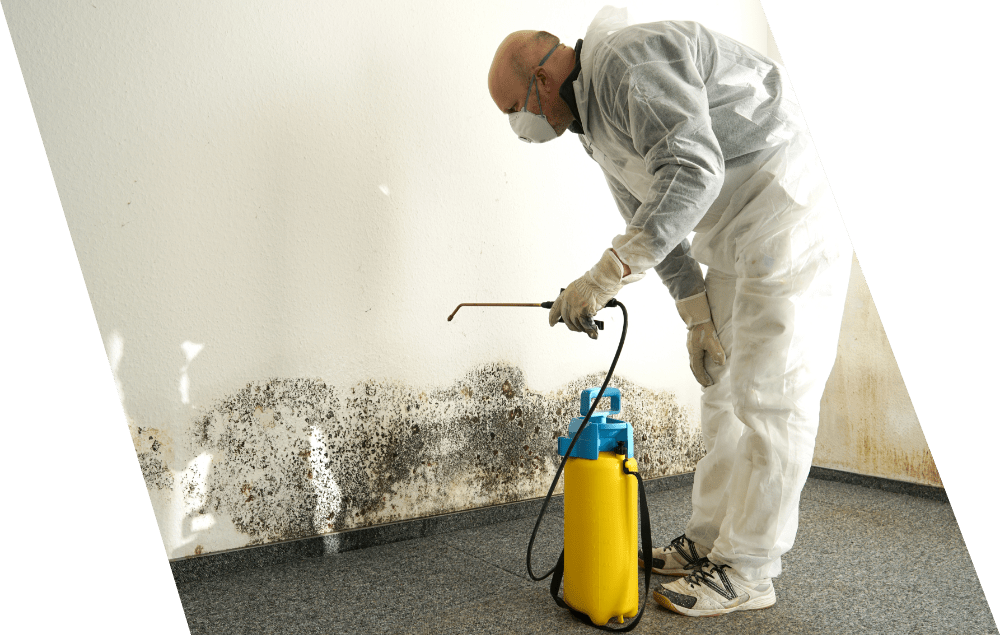
Once the carcass is away the picture is usually clear. Paper hangs loose where the paste has been feeding growth, plaster feels soft under a thumb, and the chipboard back panel carries dense colonisation on its hidden face. That is the decision point. A hard, non-porous surface cleans down and can stay. Swollen chipboard, paper-faced board and compressed insulation cannot be cleaned through and are replaced rather than dried, because the growth is inside the material and not on it. Pretending otherwise is why the same cupboard is treated twice.
Treating while the wall is open
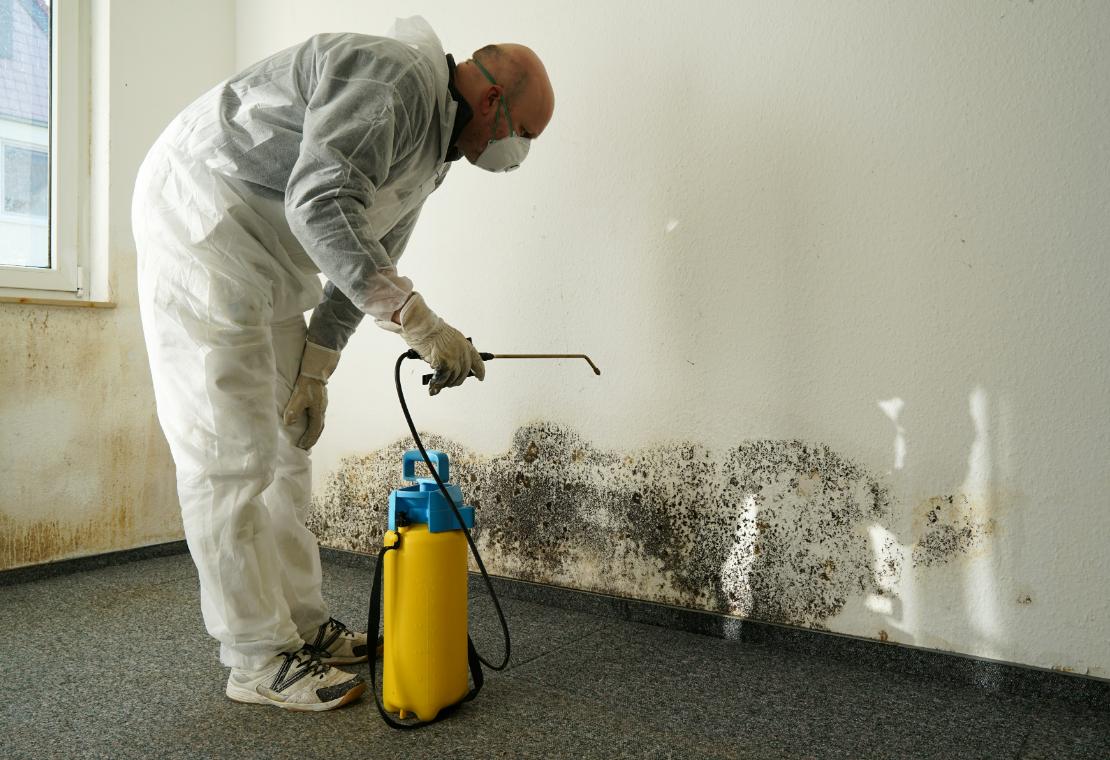
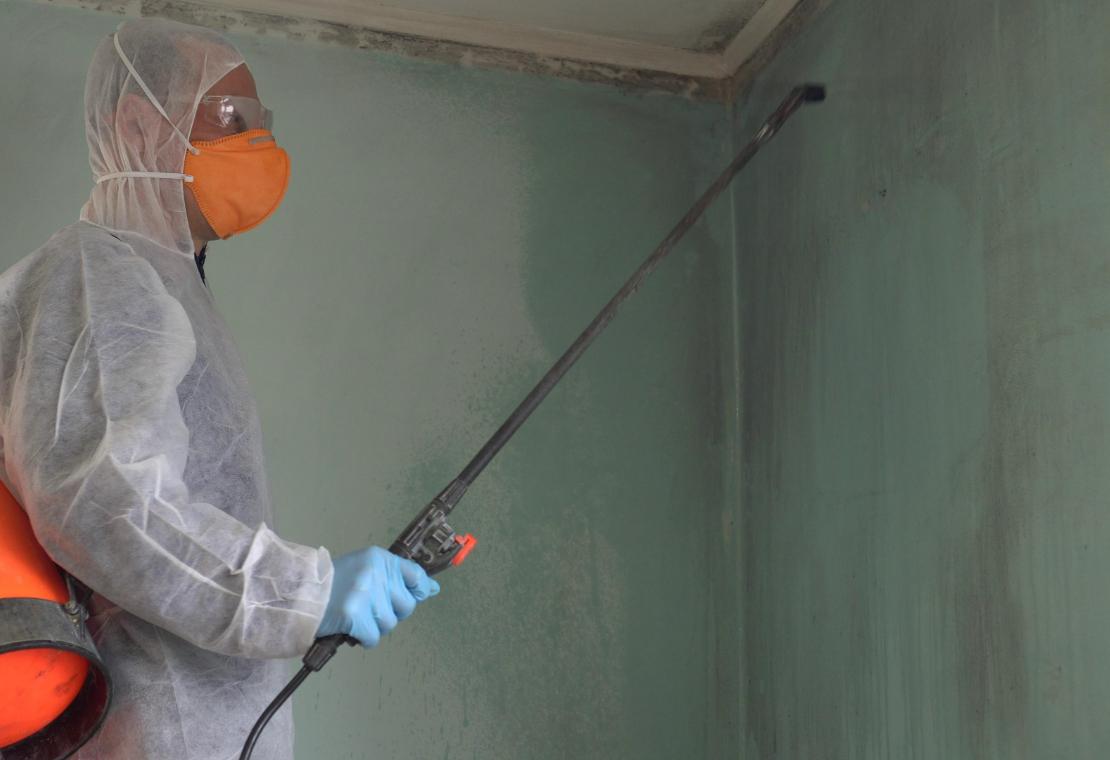
An open wall is an opportunity. Loose material is removed with vacuum extraction, the surface is cleaned mechanically and then treated with a product left to dwell for its full stated time rather than wiped straight off. The wall is then left open. Refitting units the same afternoon traps a damp surface behind a panel again and guarantees a return visit, so a gap of days with air moving across the wall is part of the method, not a delay. Where readings stay high, drying equipment is left running and checked before anything is refixed.
How estate flats nearby compare
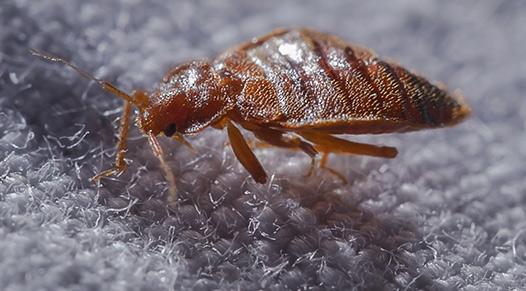
The same sequence is used on the neighbouring estates, and mould removal prices in Silvertown covers similar construction a short distance away. Reinstatement is a trade in itself: refitting carcasses square on an uneven wall, cutting replacement back panels, and battening units a few millimetres off the plaster so the gap can breathe is work covered by handyman across Canning Town. Kick-board voids and cupboard bases are also where droppings tend to be found, and Canning Town bed bug treatment clears an infestation before units are closed up again.
Putting the room back into use
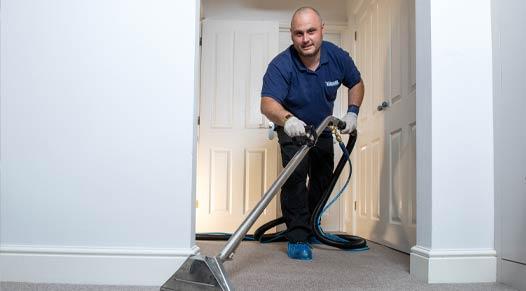
Once units are refitted the room needs more than a wipe, because dust from strip-out and drilling gets into every surface and into the contents that come back in, and cleaning services for homes in Walthamstow handles that scale of clean. Method, product information and guarantee terms sit on mould removal and remediation services UK.
What a booking covers and what to prepare
A visit of this kind is quoted by the number of units to be removed and refitted, whether services need isolating, and whether replacement panels or plaster repairs form part of the scope. Drying time between strip-out and reinstatement is agreed in advance, since it determines whether the kitchen is usable in between and whether a second appointment is needed. Preparation makes a real difference: empty the cupboards completely, clear the worktop, move anything stored on top of the units, and arrange access if a housing team or agent holds the keys. Contents that are already colonised are better bagged and set aside than repacked into a treated cupboard.