A brand-new flat can have a mould problem, and in the towers around Blackwall it is common enough in the first two winters to be predictable. The cause is not neglect but construction water. A reinforced concrete frame, blockwork partitions, sand-cement screeds and wet plaster finishes all arrive on site saturated and release that water into the building for many months after completion, and a modern airtight envelope gives it nowhere to escape unless the ventilation is running properly.
How much water is built into a new flat
Concrete and screed hold a substantial proportion of their weight as water and give it up slowly, roughly over a period measured in weeks per centimetre of thickness in reasonable conditions. Plaster and blockwork add more. A flat handed over shortly after completion is therefore drying out around its first occupants, and the humidity that results condenses on the coldest available surfaces: glazing, window frames, reveals, and the internal face of any thermally weak junction. Growth follows on the sealant and the reveal plaster rather than in the middle of a wall.
Why the airtight envelope changes the rules
Older buildings leaked, and construction moisture left with the draughts. A well-sealed flat has almost no unintended air change, so the designed ventilation system is the only route out. Where that system is switched off because it is unfamiliar or noisy, where filters have never been changed, or where it was not fully commissioned at handover, the building has no way of drying and the first winter produces streaming windows and black spotting on every reveal.
Telling drying-out from a defect
The distinction matters because the remedies differ entirely. Construction moisture shows as generalised high humidity through the flat, worst in the first heating season, improving each year, with no single wet area. A defect shows as localised wetting that does not improve: a failed window perimeter seal, a balcony threshold letting water track inwards, a leak from a riser or from the flat above, or a cold bridge at a slab edge. Readings taken in several rooms and compared, along with the age of the building, usually separate them at a first visit.
Warranties, snagging and who to tell
New homes generally carry a developer's defect period and a longer structural warranty, and condensation arising from a genuine construction or commissioning fault may fall inside that. Making the report specific helps: which rooms, which surfaces, what the readings were, whether the ventilation was commissioned and what it is delivering. A generalised complaint about condensation tends to be answered with advice about opening windows; a documented finding about an uncommissioned system or an untreated cold bridge does not.
Living in a flat that is still drying
While the fabric gives up its water, a few things genuinely help. Run the ventilation continuously rather than in bursts, resist sealing trickle vents, keep a steady modest background temperature rather than short intense heating, avoid drying laundry on radiators in the first winters, and wipe down glazing where condensation collects so it does not sit on the sealant. Portable dehumidification in the worst room is reasonable as a temporary measure while the building dries.
Remedial work and cover nearby
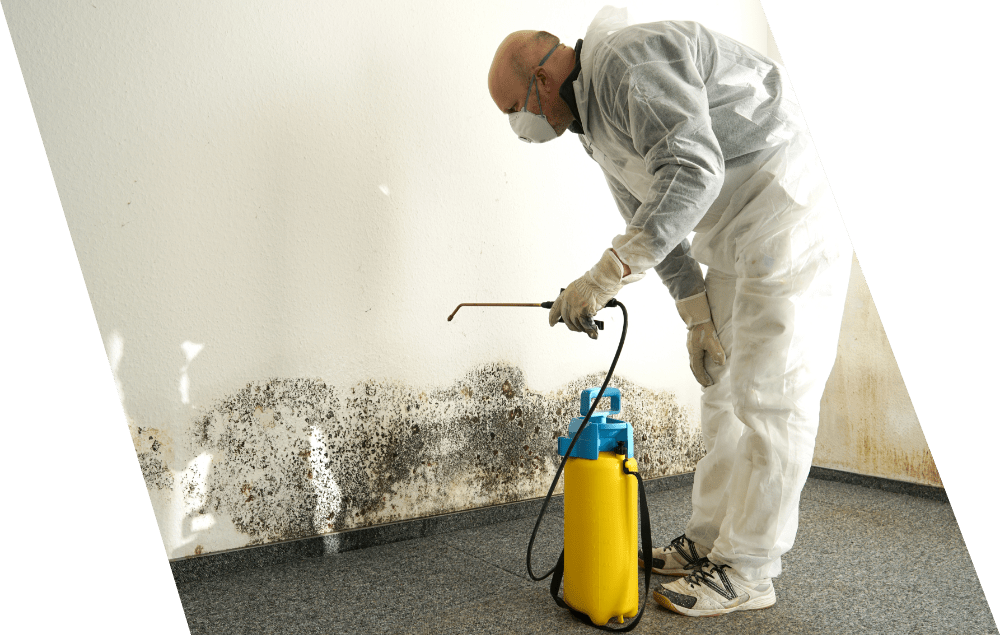
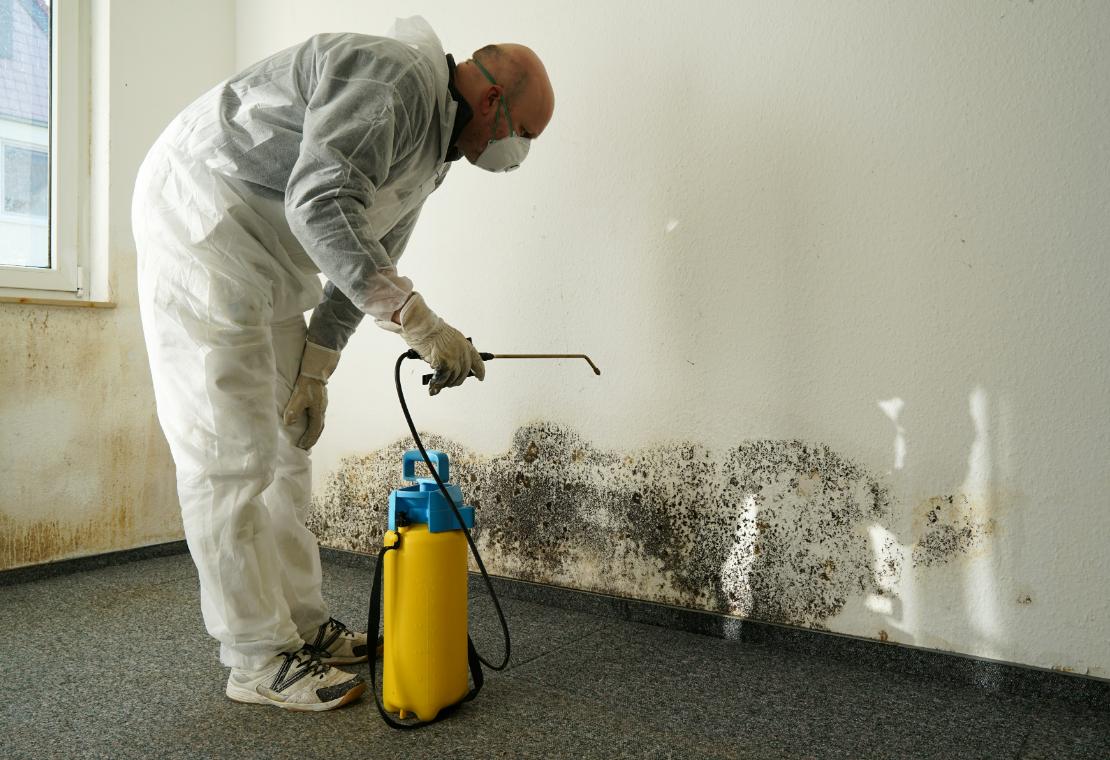
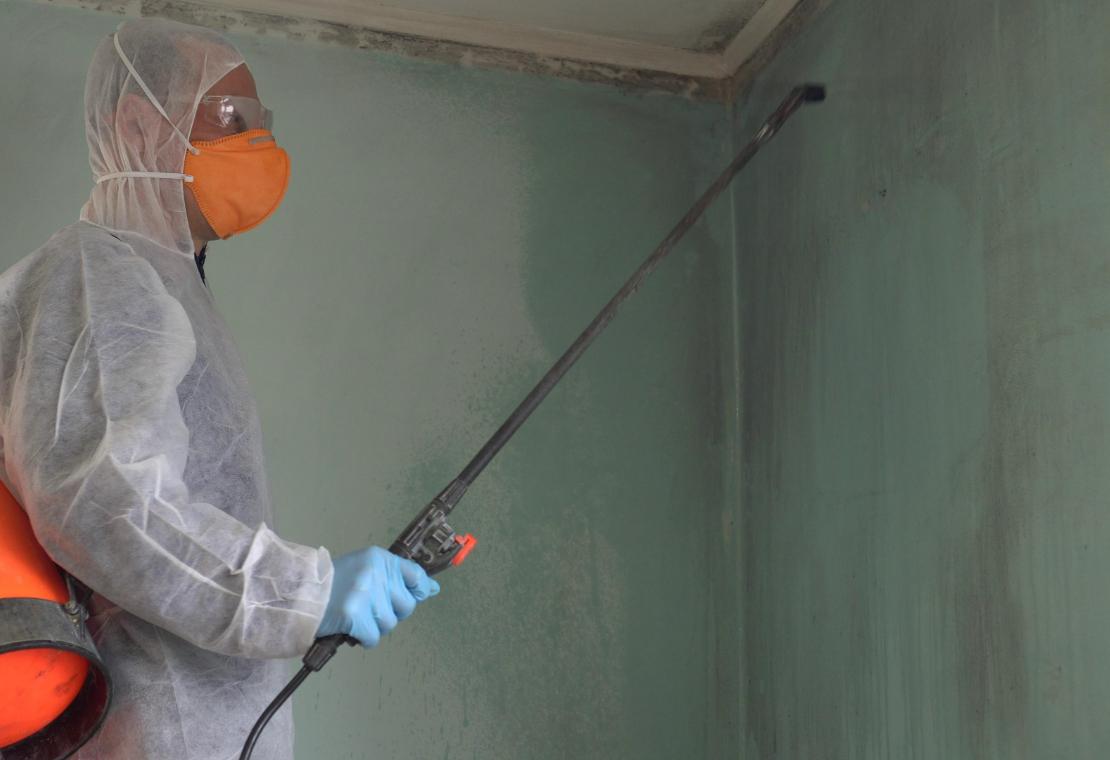
Sealant renewed, a reveal lined, a threshold detail corrected, a terminal cleared, plasterboard cut out and replaced where growth has gone through it: fully insured TV wall mounting in Limehouse takes on that work, though anything within the building's common parts has to be raised with the management company first. New developments also sit alongside ongoing construction and landscaped podiums, which displace rodents into service voids and bin stores, so experienced flea treatment in Isle of Dogs deals with that at building level. Older converted stock a short distance west is covered by fully insured condensation treatment in Limehouse, same-day cleaning services in Poplar handles the clean-down after any building work, and the remediation method is set out on the what the service covers page.
Arranging a visit in a managed building
Access in a tower needs a little planning: a resident contact, whatever notice the building requires for contractors, and a booked service lift where equipment or waste is involved. A first visit takes readings in each room, examines the ventilation terminals and the state of the glazing and reveals, and identifies whether anything needs raising with the developer or the managing agent. Survey and treatment are quoted separately, with treatment priced by affected area, and any drying equipment charged for the period it runs.