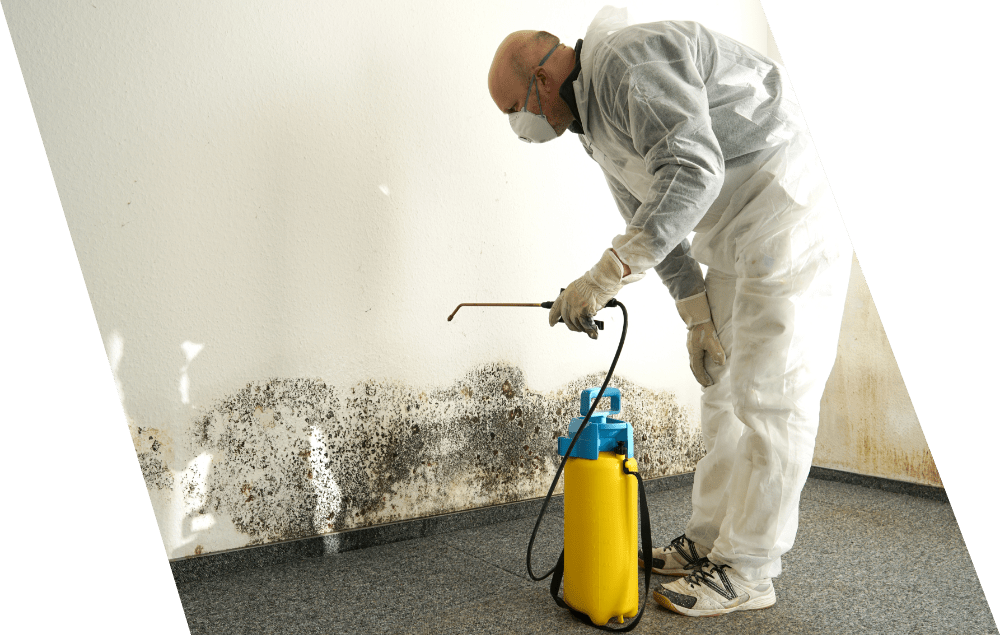
Remediation in a managed high-rise is half a technical job and half an administrative one. The technical part is familiar; the administrative part decides whether the work can happen at all. Access is through a staffed lobby, materials and waste move only by a booked service lift, noisy work is restricted to set hours, contractors have to be registered and insured with the building, and the cause of the problem is very often in a part of the structure the resident does not control. In E14's apartment buildings, understanding that framework is what gets a mould problem resolved rather than debated.
Inside the demise and outside it
A leaseholder or tenant is generally responsible for the internal finishes of the apartment. The external walls, glazing, roof, balconies, risers, communal ventilation plant and the pipework serving more than one flat usually are not. Since a large share of apartment mould originates in exactly those elements, a survey that identifies the element as well as the cause is essential. The practical consequence is that one report may generate two instructions: one to a contractor for the interior, one to the managing agent for the building.
Cooling, condensate and cold surfaces
Apartments here frequently have comfort cooling as well as heating, and that introduces failure modes a house does not have. Chilled supply air and cooled surfaces can drop below the dew point of humid room air, producing condensation around grilles and on ductwork in ceiling voids. Condensate trays and their drains block with dust and biofilm, then overflow into a ceiling. Mould appearing in a ring around a ceiling grille, or on a plasterboard ceiling below a void containing plant, points to the system rather than to the occupants.
Communal extract and what the resident can change
Internal bathrooms and kitchens are usually served by a shared extract shaft, sometimes with a central fan on the roof. If that system is unbalanced, throttled or not running, no amount of effort inside the apartment will fix the humidity. A resident can clean a grille and keep a door undercut clear; they cannot rebalance a riser. Establishing which of those situations applies is the first useful step, and it is a measurement rather than an opinion.
Working without disrupting the building
Practicalities shape the method. Waste cannot be dropped out of a window or left in a corridor, so it is bagged and removed by lift at agreed times. Lobby and lift finishes are protected on the route in and out. Containment is set up inside the apartment so that dust and spores are not carried into a shared corridor with a pressurised air supply. Where works run over more than a day, the apartment is left secure and tidy each evening because the building requires it.
Documentation the managing agent will want
Buildings of this type run on paperwork, and providing it smoothly avoids weeks of delay: method statement, risk assessment, insurance details, the hours required, the equipment being brought in and how waste will be handled. Where the finding implicates the building, a report that names the element, the evidence and the recommended remedy is what allows an agent to place the work rather than refer it back to the resident.
Related trades and cover nearby
Sealant and grille work, a reveal lined, plasterboard renewed, a grille or duct cleaned and refitted, joinery made good after a ceiling is opened: minor repairs in Canary Wharf handles the internal side within the apartment. Warm service risers in towers also sustain cockroach and ant populations that move vertically between floors rather than staying on one, so mice and rat control services in Canary Wharf treats those at building level where the managing agent instructs it. Lower-rise stock immediately north is covered by mould removal prices in Poplar, Poplar cleaning services team deals with the clean-up after works, and the remediation method itself is on the the full service page page.
Setting up the appointment
The two things worth confirming before a visit are what notice the building requires for contractors and whether the service lift needs booking, because both can add days. On the day the surveyor will want access to the affected rooms, to any ceiling void that can be opened, and to the ventilation and cooling terminals. Charges cover the survey visit, then the treatment by affected area and method, with any out-of-hours working priced separately where the building restricts when the work can be done.