There is a line between cleaning a wall and redecorating it, and most disputes at the end of a tenancy in SW18 sit within a few inches of that line. A scuff from a chair back, a grey halo around a light switch, four small holes where a mirror hung and a shadow where a picture protected the paint are all different things. Some come off, some are damage, and some are simply what happens to emulsion over two years of ordinary life.
What matt emulsion will and will not tolerate
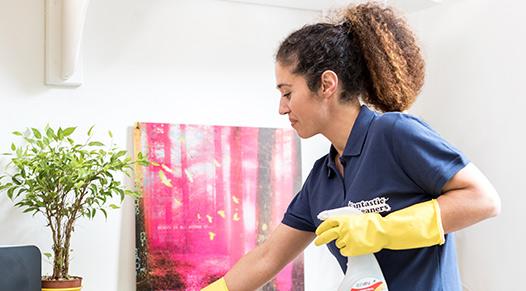
Modern matt paint is porous and it burnishes. Rubbing a mark firmly flattens the surface and produces a shiny patch that catches the light and looks worse than the mark did, particularly on a dark colour. The safe approach is minimal moisture, a white non-abrasive sponge, a light circular action feathered outwards, and a decision to stop early. Washable and eggshell finishes in kitchens, bathrooms and hallways tolerate far more, which is why those rooms can be cleaned properly while a matt-painted bedroom often cannot.
Fixings, filler and the honest approach
Holes from picture hooks and shelf brackets are usually treated as fair wear in small numbers and as damage when there are many. Filling them badly is worse than leaving them: a proud blob of filler sanded with the wrong grade shows through paint and commits the landlord to redecorating a whole wall. Removing fixings, leaving the holes clean and flagging them at check-out is the position that costs a tenant least. Adhesive strips and tape are the real risk, since they lift paint and paper when pulled.
Marks that are not on the paint at all
Some staining sits in the plaster rather than on the surface. Nicotine, water marks from a past leak, and the ghosting that appears above radiators and along ceiling joists in cold rooms are all cases where washing lifts a little and no more. Cleaning a wall until it looks patchy is not a result. Reporting it, and letting the landlord choose between a coat of paint and a stain block, is.
The wall behind the furniture
Furniture protects paint, and the moment it leaves the contrast shows. A wardrobe pushed against an external wall can also have kept an area cold and unventilated enough to grow mould behind it. Neither is visible until the room is empty, which is why the clean has to follow the move rather than run alongside it. A single room's worth of belongings goes out easily through man and van across Southfields; a whole house needs a local pro near you and a day of its own.
Where paint meets the floor
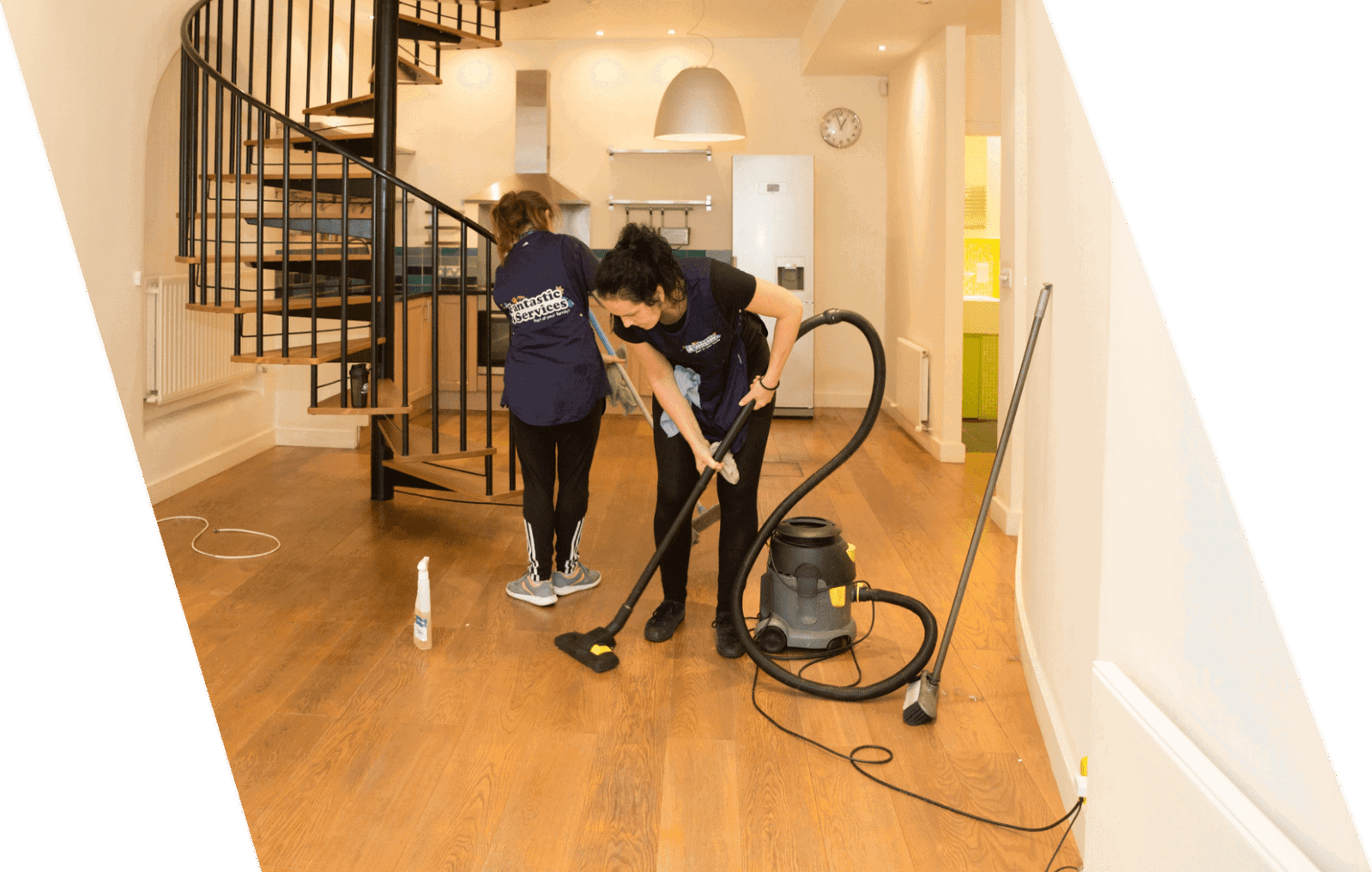
Skirtings take the worst of it - vacuum knocks, shoe marks, a dark line where carpet meets the board. The board is washed and dried, and the carpet edge is treated separately, because the filtration line in the pile against a skirting comes out with extraction and not with a cloth; that falls under our team in the area rather than the general clean.
The outside walls
External paintwork and render have their own version of the same problem. Green algae on a north-facing wall, traffic film on a front elevation and a tide of splashback along the base of a wall beside a paved path all respond to a controlled wash rather than scrubbing, and pressure has to be stepped down on painted render or it strips it. That judgement is the whole skill in Pimlico pressure washing specialists, and it applies equally to a rear terrace treated through affordable pressure washing in Putney.
Arranging the work
Cost is set by property size and furnishing, not by hours, and wall work is part of each room rather than an extra line. The property should be empty, fixings removed, and any known damage listed in advance so nothing is discovered at the inspection. Where redecoration is needed it happens before the clean, never after. The room-by-room sheet published with fully insured tenancy end cleaning is the one applied on fully insured end of tenancy cleaning in Wimbledon as well.