Period property rewards restraint. In TW9 a large share of the rental stock sits inside conservation areas — Georgian and Victorian houses, many of them converted, with original joinery, lime-plastered ceilings, stone hearths and sash windows that have been painted a dozen times. The instinct at the end of a tenancy is to attack every surface with the strongest thing available, and in these buildings that instinct causes more deposit deductions than it prevents.
Old surfaces and the products that ruin them
Limestone and marble hearths, sills and worktops dissolve in acid, so the descaler that rescues a modern shower screen will permanently dull them. Unlacquered brass ironmongery is meant to tone with age and should never meet an abrasive cream. Lime plaster and distemper absorb water, so a wet cloth on decorative cornice lifts the surface and leaves a tide mark worse than the dust. On this kind of stock the correct answer is often a soft brush and a vacuum, not a spray.
Sash windows, and the debris inside the box
Sashes are the defining feature of the area and the most consistently neglected surface in any inventory. Soil collects in the meeting rail, along the staff bead and in the bottom of the box where the lower sash sits. Brush and crevice tool first, damp work second, or the deposit turns to mud inside a joint that will not dry. Old putty and softwood frames do not tolerate standing water, so cloths are wrung out hard and the timber dried off rather than left.
Boards, parquet and waxed timber
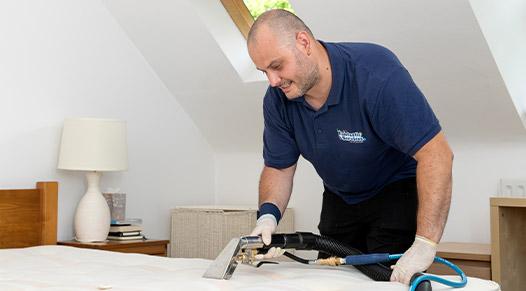
Original floorboards and herringbone parquet are common here and are frequently wax-finished rather than lacquered. A wet mop drives water into the joints, raises the grain and clouds the wax. The correct treatment is a thorough vacuum with a soft head, then a barely damp cloth or mop with a pH-neutral cleaner, worked along the grain and dried behind. Where carpet has been laid over boards, grit falls through the gaps and works back up under footfall, which is why the deep treatment covered by the service in full makes a visible difference.
Furnished lets and the landlord's own belongings
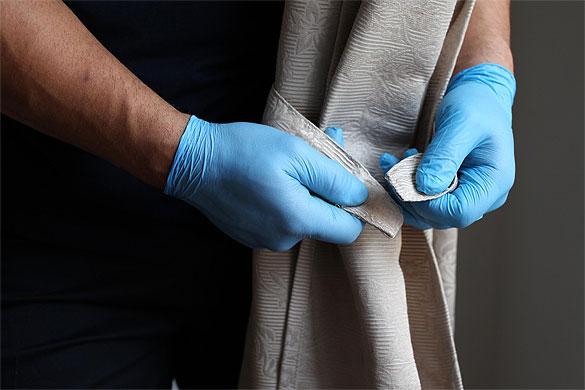
Many Richmond lets come furnished, sometimes with pieces the landlord genuinely cares about. The inventory lists them individually, and a check-out clerk will lift cushions, open drawers and look behind headboards. Upholstery, curtains and rugs are all itemised. Cleaning around somebody else's antiques calls for the same rule that applies to the building fabric: identify the finish, test in an inconspicuous place, and leave anything genuinely uncertain to be flagged rather than experimented on.
Hard water where the fittings are period reproductions
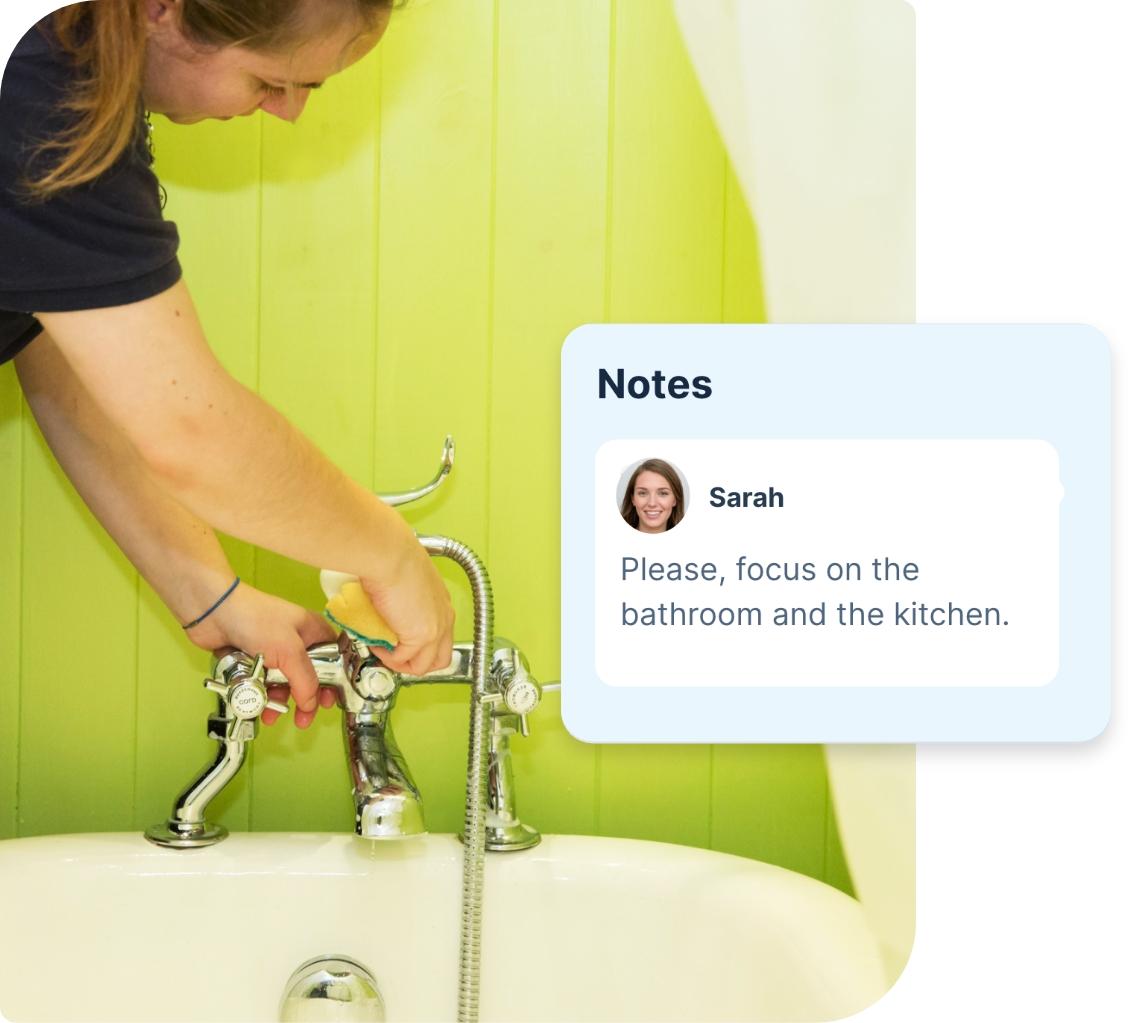
Supply across this part of London is very hard, and scale builds on taps, shower heads and glass within weeks. Modern chrome tolerates a short acid dwell and a thorough rinse. Reproduction fittings with a plated or antiqued finish do not, and repeated descaling strips them. Where a fitting has genuinely scaled beyond safe treatment, saying so in writing is more honest than chasing it with something harsher. Kettles, shower hoses and the aerator inserts in tap spouts are all small, all quick, and all itemised by clerks who have learned where the deposits collect.
Arranging the move and the handover
Narrow streets and controlled parking make vehicle access the awkward part of any Richmond move, so the removal date wants settling before the cleaning date. A full house move is what Richmond removals services is built for, while a short run with a couple of items suits man and van team in North Sheen. Tenants relocating a little further out often want the same standard in Isleworth, described on experienced move-out cleaning in Isleworth. Charges here follow the property size and its condition, the property should be empty and the utilities live, and the general specification is on nationwide end of tenancy cleaning services.