Two quite different housing stocks sit within a few minutes of each other in SE10, and a check-out clean means something different in each. On one side are Georgian and early Victorian terraces in conservation areas, with sash windows, shutters, cellars and steep stairs. On the other are recent riverside apartments with floor-to-ceiling glazing, engineered floors and mechanical ventilation. The same specification applies to both; almost nothing about the method does.
Sash windows are three jobs, not one
A traditional sash has an outer frame, two moving sashes and a box containing the weights, and dirt collects in the meeting rail, the parting bead and the bottom run where the lower sash sits. Cleaning one properly means opening both sashes, doing the horns and the top rail that are normally hidden, clearing the run, and drying the timber rather than leaving water standing on old paint. Cords and pulleys are cleaned around, never soaked, since a wet cord shrinks and jams.
Shutters, panelling and painted timber
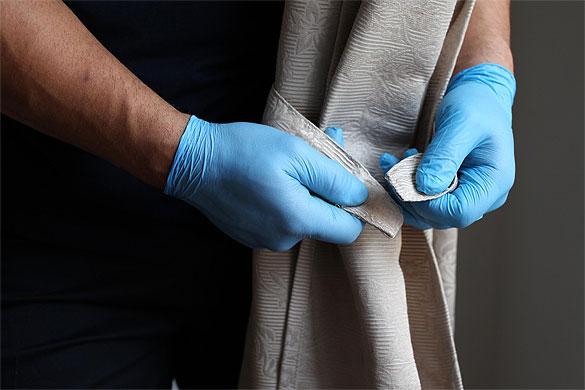
Original internal shutters fold back into a boxing and collect a decade of dust in the hinge line. They are opened out, vacuumed with a brush head and cleaned with a barely damp cloth, working with the grain. Panelling, deep architraves and picture rails add a great deal of horizontal edge to a room, and each edge has to be done by hand. On a period property this is where the extra hours go, not on the open floor.
Cellars, vaults and the space under the stairs
Many of the older terraces have a cellar or a coal vault under the pavement, and a tenancy agreement usually includes it. Those spaces run damp, hold a fine mineral dust and often carry spider activity that a check-out clerk will photograph. They are swept and vacuumed rather than washed, because water in an unventilated vault has nowhere to go.
Glass in the new riverside blocks
Modern apartments here are defined by the amount of glazing, and the interior face of a full-height window shows every streak in the light coming off the water. Glass that large is done with a squeegee and a clean blade in overlapping passes, not with spray and paper, and the frames and the track of any sliding balcony door are cleaned separately. External faces on an upper floor belong to the building's maintenance regime and fall outside a tenancy clean.
Hills, steps and getting equipment in
The ground rises sharply away from the river, streets in the older part are narrow and permit-controlled, and many houses have a flight of steps to a raised front door and a separate area entrance below. Where a clean follows a removal, the household has to be out first: a full move down those steps is the sort of operation planned by vetted removals in Greenwich, while a part load is the smaller job arranged under our local team. A move to the suburbs a short way south is a run of the kind organised through experienced flat removals in Dulwich or the Forest Hill branch, where the day is governed by access at both ends rather than by distance.
Soft flooring on old boards and new screed
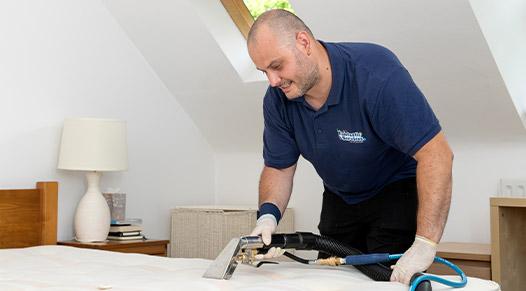
Carpet laid over Victorian floorboards holds grit that has worked into the underlay, and carpet in a new flat sits on a warm, airtight floor that dries slowly. Both need extraction with a proper rinse and planned drying time, which is the discipline behind fully insured carpet cleaning in Greenwich, scheduled early in the day in either kind of building.
Arranging the work
The fixed room-by-room list is the one on our end of tenancy cleaning team, and it is the same document applied to the very different stock covered by end of tenancy cleaning across Tooting out to the south west. Pricing reflects the number of rooms and bathrooms and whether the property is furnished rather than hours spent. For a period house it is worth confirming at booking which windows open, whether the cellar is included and where a vehicle may stand, since all three change the shape of the day.