Order is what separates a finished house from a house that has been cleaned twice. A four-bedroom property in SW19 cannot be worked room by room in whatever sequence a team arrives at, because every stage puts dust or water somewhere a later stage has to deal with. The rule is simple and it is almost always broken under time pressure: work from the top of the building down, from the top of each room down, and leave anything wet until the end.
Top of the house, top of the room
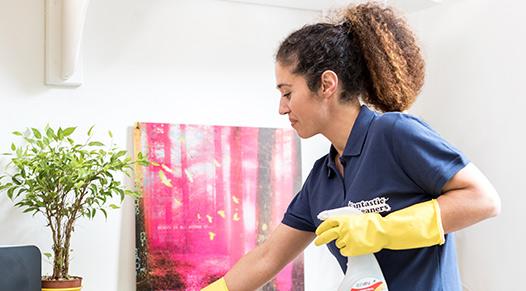
Dust falls. Cleaning a floor before the coving, the door tops and the wardrobe tops above it guarantees a second pass. In a house with a loft conversion the sequence starts at the top storey and moves down the stairs, which also means the staircase is cleaned once, on the way out, rather than walked over repeatedly after it has been done. Within each room, high surfaces come first, then vertical surfaces, then the floor.
Dry before wet
Every room is vacuumed and dusted before anything damp appears. Water applied to a dusty surface makes mud, and mud in a moulding or a window track is harder to remove than the dust was. The same principle sets the position of soft flooring in the day: carpets are extracted last, after traffic through the house has finished, so nobody walks across a damp pile. Where a house has carpet upstairs and hard floors down, carpet cleaning prices in Wimbledon is done as a closing operation on each level.
The kitchen runs on its own clock
A kitchen does not fit the sequence, because its main item needs time rather than attention. The oven is dismantled and set to soak early in the day and returned to at the end, and the rest of the kitchen is worked around it. Cupboard interiors, the underside of wall units, the extractor filters and the floor behind the appliances all happen while the soak is running. A team that starts the oven at lunchtime finishes the kitchen last and leaves late.
Two bathrooms, one order
Larger houses here usually have a family bathroom and at least one en suite, and the second one is where corners get cut. Each is treated identically: descale, dwell, agitate the grout, rinse, dry, then glass and mirrors last so nothing is spotted afterwards. Finishing the en suite first and the main bathroom second means the door to a completed room stays shut for the rest of the day, which is what should happen to every finished room in a big property.
Outside comes before inside
The one thing that belongs ahead of the internal work is external hard surfacing, because it is wet, noisy and it brings grit to the door. A driveway, a front path and a side return are reset with controlled pressure, as in pressure washing specialists in Southfields, and a rear terrace takes the same treatment, though a decked area needs a gentler setting than stone; that judgement is routine on decking cleaning in Streatham. Doing this after the floors have been finished undoes them.
Emptying a large property
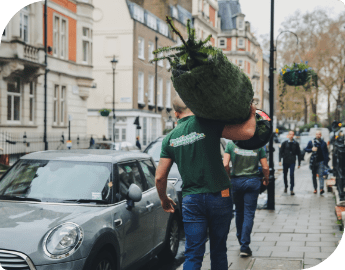
Nothing above works with furniture in the way. A full house needs a proper crew and a day, which is what our local team is for, while a studio annexe or a single room cleared ahead of the main move is a job for experienced man and van in Colliers Wood. Loft and garage contents are the ones that get forgotten, and they are always in the inventory.
Timing and what it costs
A house of this size is assessed on bedrooms, bathrooms and whether it is furnished rather than by the hour, and it is usually a full day with more than one technician. Utilities need to be live, parking arranged, and the check-out appointment set for the following day so carpets dry overnight with the heating on low. The sequence described here is the one written into check-out cleaning, and it is applied identically on end of tenancy cleaning specialists in Putney.