Black speckling along a window reveal is the thing tenants in IG11 most often want dealt with before an inspection, and it is the thing a cleaning visit can least reliably promise. Mould on a painted reveal, in the silicone round a bath or across the ceiling of a north-facing bedroom is a symptom of how the building handles moisture, and while the visible growth can be removed, whether it stays away depends on what happens after the keys change hands.
Surface growth and what sits under it
On a non-porous surface - glass, tile, glazed paintwork in good condition - growth is genuinely superficial and comes away completely. On anything porous the visible bloom is the top of something with roots: the hyphae run into emulsion, into plasterboard paper, into the body of a silicone bead. Removing the colour there is not the same as removing the organism, and it returns in weeks. Telling the two apart before starting is what determines whether the work will hold.
Bleach conceals more than it kills
Household bleach whitens pigment on contact, which makes it look extremely effective and makes it a poor treatment. The water in it carries into a porous surface and feeds what remains, the colour disappears, and the problem is now invisible rather than absent. A fungicidal wash left to dwell, followed by removal of the residue and thorough drying, does the actual work. Where a silicone bead has growth through its thickness, it is cut out and replaced rather than treated.
Why it was there in the first place
Condensation forms where warm moist air meets a cold surface, and the flats and older terraces around the riverside offer plenty of both: solid walls with no cavity, replacement windows sealed into rooms that once breathed, extract fans that were switched off because they were noisy. Drying laundry indoors on a radiator puts litres of water into the air over a winter. None of that is a cleaning fault, but all of it is worth recording, because a recurring problem is a repair issue and sits with the landlord. Households who keep a routine going through domestic cleaning services in Ilford tend to catch growth while it is still on the surface, which is the only stage at which cleaning alone resolves it.
Reveals, lintels and cold corners
Growth appears first where a wall is coldest: the reveal beside a window, the back of a wardrobe against an outside wall, the corner where two external walls meet, the ceiling line above a lintel. These are the places to check before an inspection rather than the middle of a wall. The area behind and beneath stored belongings is a frequent surprise on the last day, once the furniture finally moves. The same pattern shows up in the older terraces covered by vetted end of tenancy cleaning services in Ilford, where solid walls and sealed replacement windows sit side by side.
Mattresses, wardrobes and what was stored
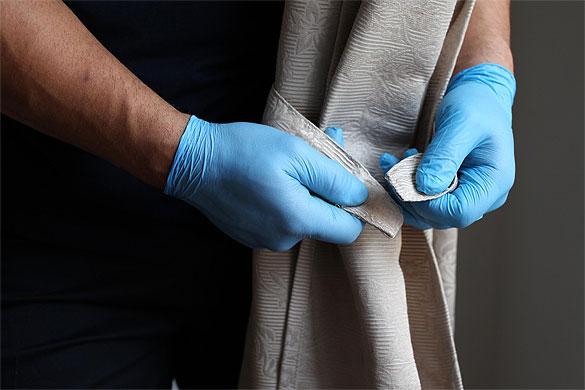
Soft items pressed against a cold wall hold moisture and take on a musty smell that outlasts the mark. Mattresses left against an outside wall, boxes stacked in an unheated bedroom, curtains touching a cold pane - all of them come off worse than the wall does. Anything being taken to the next property is better aired and dried before it is loaded, and anything not going is better removed early through removals services across Barking rather than left in place until the morning of the move. A move heading further out of the borough is covered by weekend removals in Barkingside.
Drying the property out
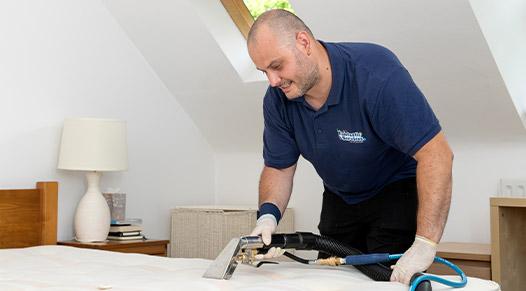
A flat cleaned and then locked up damp smells of it by the time an inspection happens. Windows are opened where security allows, trickle vents are opened, extract fans are left running and heating is left on low. Carpets are the largest single reservoir of water introduced during a clean, which is why experienced steam carpet cleaning in Barking is scheduled early enough in the day to dry, and why a short collection through our man and van in Buckhurst Hill for bulky items is best kept clear of the drying window.
What is included and what is referred on
A tenancy clean includes removal of surface growth and full cleaning of sanitaryware, tiling and reveals, priced by property size rather than by hours. It does not include remedial work to the fabric, replacement of sealant, or treatment of an underlying damp problem, all of which are separate trades. The property should be empty with heating and hot water still on, since a flat that cannot be dried cannot be finished. The national room-by-room scope sits under vetted end of tenancy cleaning.