Managing several lets across north London means the same week each month contains two or three check-outs, in buildings that have nothing in common. A mansion block flat, a converted terrace and a new-build one-bedroom all have to reach the same standard on the same day, and the only thing that makes that repeatable is a fixed scope applied consistently rather than a decision made freshly on each doorstep. Portfolio work is an operations problem before it is a cleaning one.
One standard across very different buildings
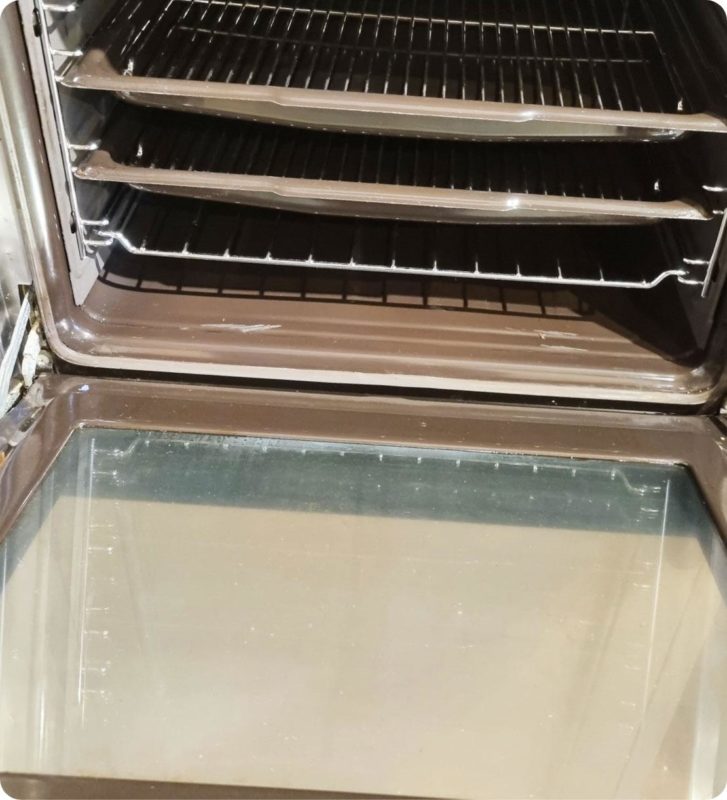
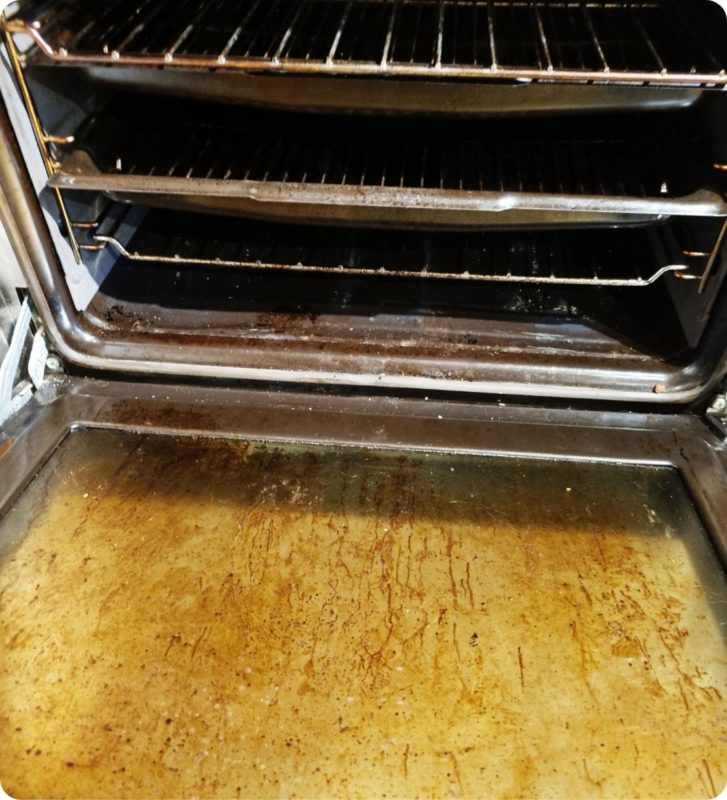
A defined room-by-room specification is what allows a landlord to compare one property with another and to answer a query weeks later. It sets out what happens to the inside of windows, the tops of units, the extract fans, the appliance seals and the skirtings, and it does not change because a flat is smaller. Where a property has something unusual - a range cooker, a conservatory, a second kitchen - it is added as a named item rather than absorbed silently into the visit.
Keys, codes and who opens the door
Access is the most common cause of a lost morning. A key in an agent's office that closes at five, a fob that only works during office hours, a concierge who has not been told to expect anyone - each of them costs a slot. The practical arrangement is a named contact, a collection point confirmed the day before, and a time window agreed rather than assumed. Where tenants hand keys back before the clean, somebody has to hold them.
Scheduling around the clerk
Inventory appointments are usually fixed first and everything else works backwards from them. Cleaning finishes before the clerk arrives; anything wet needs drying time before that; anything creating dust happens earlier still. Where the same day also involves a removal, the vehicle goes first, since a flat cannot be cleaned around furniture. Bookings for removals team in North London are therefore placed a day ahead where the schedule allows rather than in parallel.
The paper trail afterwards
A portfolio generates queries, and queries are answered with documents. A dated scope of work, a note of anything found and reported, and photographs of the finished property give a landlord something to put in front of a scheme adjudicator months later. It also protects the tenant, since a property photographed clean on the day cannot easily be described as otherwise a fortnight afterwards. Keeping those records filed by property rather than by date is what makes them usable. A short note of the condition found on arrival is worth as much as the record of the finished work, because it explains anything that could not be resolved on the day.
Where floors are handled separately
Soft flooring is the item most often treated as an afterthought and it is the one with the longest lead time, because extraction needs drying hours that a same-day turnaround does not have. On a portfolio it is worth deciding in advance which properties get it every tenancy and which get it every second. The local carpet service is described on fully insured carpet cleaning services in Islington, and a comparable tenancy clean in the adjoining district on local specialists.
Moves that happen the same day
Where an outgoing tenant leaves in the morning and an incoming one arrives in the afternoon, the day has no slack at all. Vehicles need somewhere legal to stand, which in most of these postcodes means a suspension arranged in advance; local specialists and Seven Sisters flat removals cover the surrounding districts where the same restrictions apply.
Arranging repeat work
Pricing is by property size and specification rather than hourly, which makes a portfolio predictable to budget. Properties need to be empty with utilities live, and anything unusual flagged when the booking is made. Landlords who also want interim visits between tenancies arrange them through Fantastic Services, and the full national description of scope sits on our end of tenancy cleaning service.