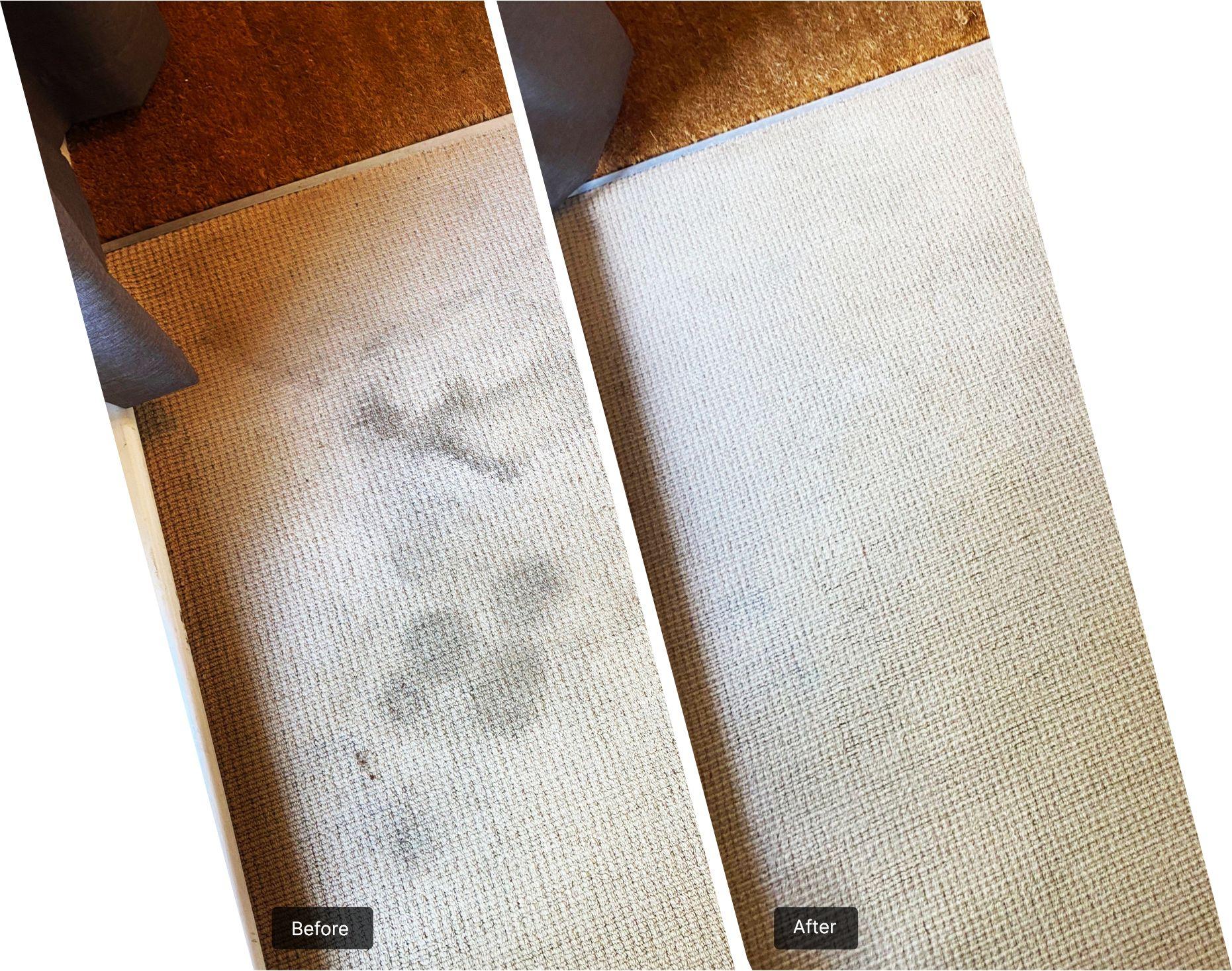
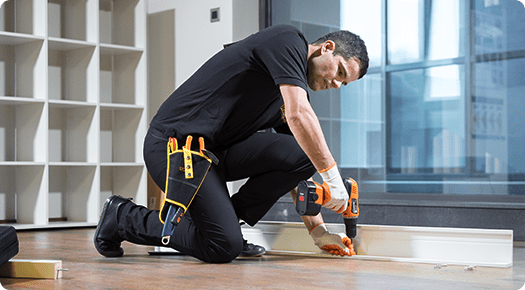
Loft conversions, side returns and basement digs have reshaped a large share of SW18 housing, and carpet is usually the last thing anybody thinks about while that work is under way. It is also the material that suffers most, because building residue is not ordinary domestic soil: it is fine, hard, alkaline and chemically active, and a fitted carpet holds it far more effectively than any other surface in the property.
Protection during the works is cheaper than recovery
Self-adhesive protective film is the usual choice and it is not always the right one. On a wool or a delicate pile the adhesive can pull fibre when it is lifted, and if it stays down for months in a warm room the residue is worse than the dust it prevented. Breathable fleece over hardboard at doorways, taped only to itself and to skirtings rather than to the pile, protects better and comes up cleanly. Whatever is used, it needs lifting before the final vacuuming rather than after.
Screed, plaster and silica fines
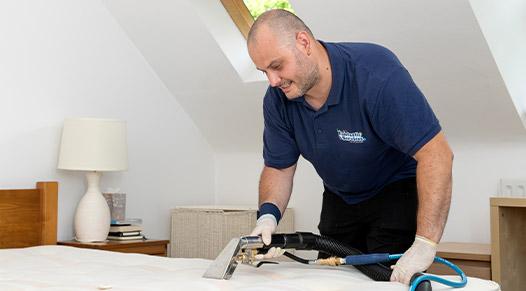
Dust from cutting, sanding and mixing is far finer than anything a household generates, and it settles into the backing where it behaves like an abrasive. It is also alkaline, so a wet pass across a plaster-laden carpet creates a slurry that dries as a grey bloom and can shift dye on a sensitive fibre. Repeated dry extraction with filtered machines comes first, edge and perimeter work included, and only then is any solution introduced.
Paint, adhesive and sealant on a pile
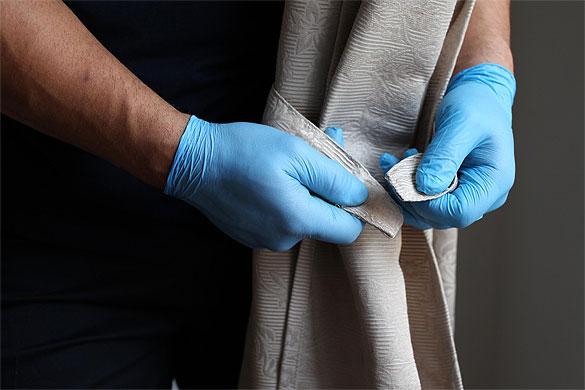
Each of these needs a different answer. Water-based emulsion can often be softened and worked out while the carpet is still damp from treatment; solvent-based paint needs a solvent matched to the binder, tested first on a hidden tuft. Cured silicone will not dissolve and is reduced mechanically, tuft by tuft, accepting that a short trim is sometimes the only tidy outcome. Nothing is scrubbed aggressively, because distorting the pile trades one visible mark for another.
A builder's clean is not a carpet clean
Sweeping and a general tidy leave the fine material exactly where it does damage, and a domestic vacuum loads its filter within minutes on that kind of debris. Full property work after a project belongs to after builders cleaning specialists in Wandsworth, with the floors handled as a specialist stage inside it rather than as an afterthought once the tools have gone.
Carpets lifted and stored while work goes on
Where a floor is being taken up and relaid afterwards, how it is stored decides its condition on return. Carpet rolled face-in around a core and kept off a damp garage slab survives well; the same carpet folded, stacked under materials and left through a summer comes back creased, crushed along the fold lines and, if it is wool, occasionally with moth damage picked up while it sat undisturbed. Stair carpet in particular should be rolled in the order it will be refitted, since matching the pile direction later is otherwise guesswork.
Dust that comes back a fortnight later
Fine particulate stays airborne for hours and continues to drop long after the site is closed. A carpet cleaned too early collects the second wave, which is why extraction is scheduled once the last sanding and the last cut have been made and the air has had a chance to settle. Where rooms are being used in the meantime, temporary matting across the route keeps the worst of the traffic off the finished pile.
Arranging the work in sequence
Areas are counted as rooms, halls and stairs, with heavily contaminated floors assessed on arrival because building residue varies enormously from one project to the next. Skip and materials access, parking suspensions and a working tap on site are all worth confirming in advance. Ongoing household cleaning afterwards sits within local specialists, similar work in neighbouring districts is on our carpet cleaning in Wimbledon, seating that has taken the same dust is covered by upholstery cleaning prices in Wimbledon, and the general method is described on carpet and rug cleaning for homes and businesses.