


Mould Removal and Remediation Services Southwark
Certified mould removal specialists delivering effective remediation and treatment to eliminate mould and protect your property long-term.

Certified mould removal specialists delivering effective remediation and treatment to eliminate mould and protect your property long-term.

The cost of mould removal depends on the size of the affected area and the type of treatment required. After a detailed inspection a clear, personalised quote is provided based on the scope of work.
| Small mould area (e.g. around a window or corner) | Medium mould area +£100 (large section of a wall affected) | Large mould area +£150 (more than one wall or ceiling) | ||||
|---|---|---|---|---|---|---|
| Room | Standard | Fantastic Club* | Standard | Fantastic Club* | Standard | Fantastic Club* |
| Bedroom | £350 | £320 | £450 | £420 | £500 | £470 |
| Bathroom | £350 | £320 | £450 | £420 | £500 | £470 |
| Kitchen | £350 | £320 | £450 | £420 | £500 | £470 |
| Living / Dining room | £350 | £320 | £450 | £420 | £500 | £470 |
| Hallway / Landing | £350 | £320 | £450 | £420 | £500 | £470 |
| Utility room | £350 | £320 | £450 | £420 | £500 | £470 |
| Paid inspection | £50 | |||||
| *Price for members of the Fantastic Club. The Fantastic Club is a yearly subscription of £89. | ||||||
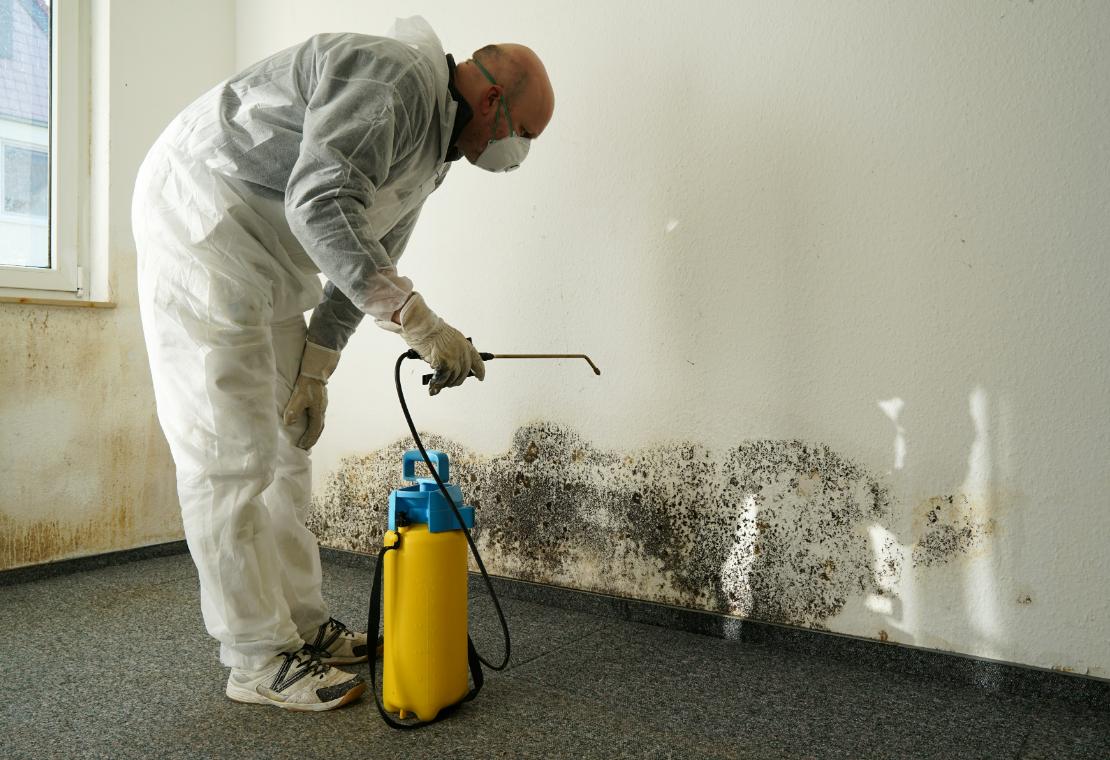
In Southwark, professional mould removal and mould remediation rely on advanced technology to ensure comprehensive coverage of both visible and hidden contamination. Mould spores are airborne and can easily spread throughout your home, settling in hard-to-reach areas that regular cleaning methods might miss. That's why professional mould cleaning includes not only surface-level removal but also airborne treatment to tackle the infestation at its source. This dual approach is essential to eradicate mould effectively.
One of the key technologies used in this process is ULV (Ultra-Low Volume) fogging. This method disperses treatment particles evenly across the entire space, reaching behind furniture, cracks, and across ceilings and walls, ensuring no area is left untreated. Combined with the non-toxic power of HOCl (Hypochlorous Acid), this professional-grade disinfectant neutralises mould, bacteria, and mycotoxins at a molecular level without leaving harmful residues. This thorough approach not only improves indoor air quality but also significantly reduces the risk of recontamination, ensuring a safer living environment.
Mould remediation in Southwark is essential for not just eliminating mould but also preventing its recurrence by tackling the environmental factors that contribute to its growth. Professionals systematically assess humidity levels, ventilation, and any possible issues related to water ingress to tailor a remediation plan that effectively addresses each unique situation. This comprehensive approach ensures that both the immediate mould problem and the underlying causes are resolved, leading to a cleaner, healthier indoor environment.
After the treatment is complete, protective solutions are applied to treated surfaces, creating an environment that resists future mould growth and reduces airborne spore activity. Utilizing HEPA filtration systems and air scrubbers during and after the treatment process further maintains cleaner indoor air, significantly improving air quality. Proper mould removal in Southwark not only protects health by reducing allergens but also prevents structural damage, enhancing overall indoor conditions for residents.
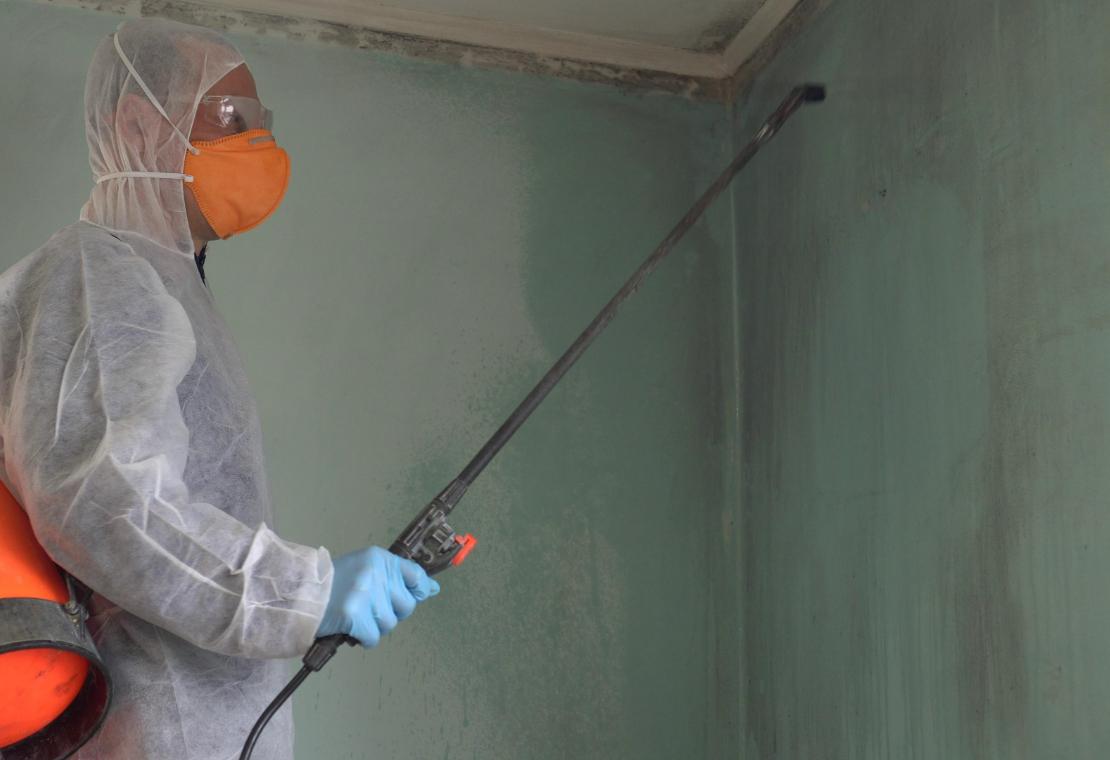
Booking mould cleaning is quick and designed to get results without unnecessary delays.
Share what you’re dealing with, whether it’s visible mould, damp patches, or a recurring problem. This helps determine the right approach, from mould cleaning to full mould remediation.
A specialist checks the affected areas and identifies what’s causing the mould, such as excess moisture, condensation, or poor ventilation. This ensures the issue is treated properly, not just on the surface.
You’ll get a straightforward quote based on the level of contamination and the type of mould removal required. The service is tailored to ensure effective results and long-term protection.
The treatment removes mould and improves indoor air quality, helping to prevent future growth and create a healthier living space. It also targets the root cause of the problem for longer-lasting results.
Mould removal requires more than basic cleaning, which is why it’s handled by trained mould remediation specialists experienced in treating both visible and hidden contamination. Each specialist assesses the full extent of mould growth, including underlying causes such as excess moisture, condensation, and ventilation issues, ensuring the problem is addressed properly rather than just on the surface.
Number of bookings: 139
With Fantastic Services for: 2 years
Other specialities:
Number of bookings: 8301
With Fantastic Services for: 6 years
Other specialities:
What the reviews say
"Quick and effective rodent control service. Their timely response and efficient methods resolved the problem with expertise."
Number of bookings: 123
With Fantastic Services for: 2 years
Other specialities:
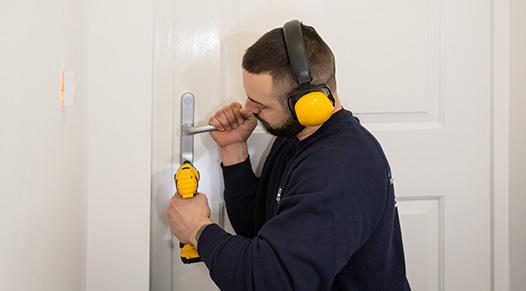
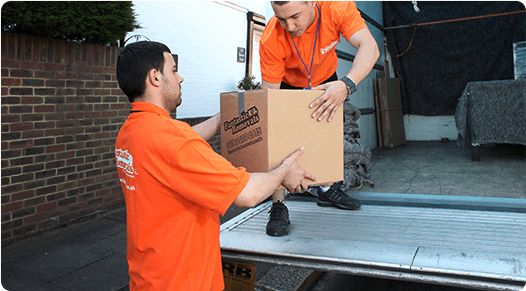
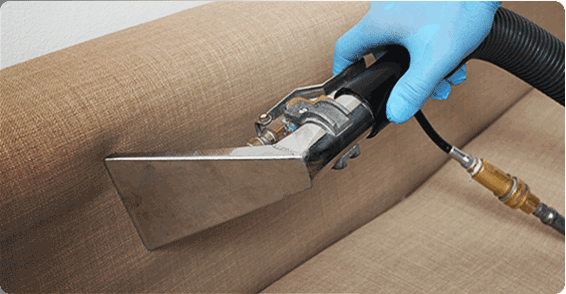
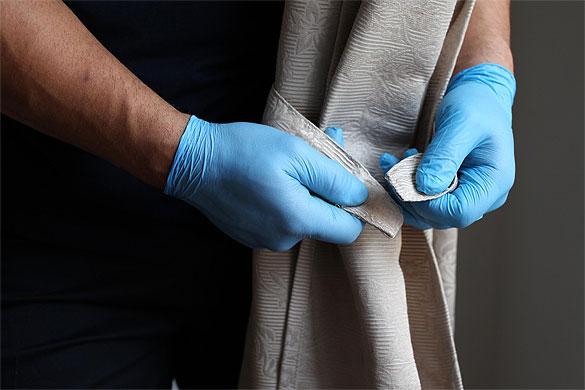
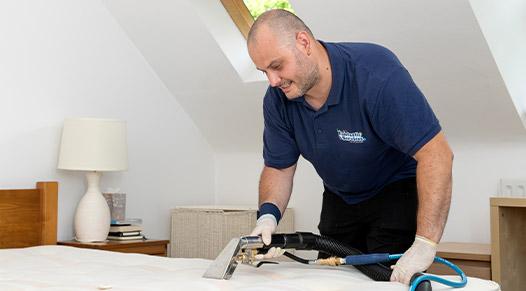
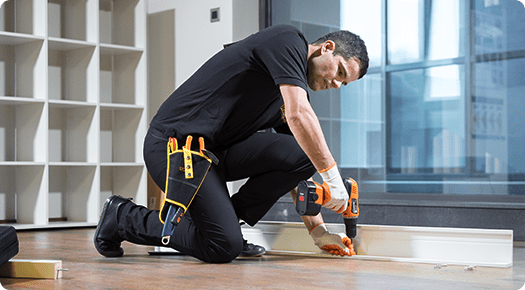
Alongside professional mould removal and mould cleaning, a range of additional property care services is available to help maintain a healthier indoor environment.

















Mould can spread quickly and impact both health and property if not treated in time. Book a service today to remove mould, improve indoor air quality, and restore a cleaner and healthier living environment.
There is a socket on that wall, and it changes how the wall can be dealt with. Mould work in Southwark runs into electrical installations constantly — the borough's housing ranges from Victorian terraces with wiring added in layers over a century to post-war blocks and recent flats, and the affected walls are frequently the ones carrying the most accessories. A damp external wall with two sockets, a switch and a buried cable route is not a surface that anybody should be hacking off with a bolster and a hammer until the circuits are dead and the routes are known.
A metal back box set into a cold external wall is a small, cold, unventilated pocket with a route through the plaster into the room. Warm moist air leaks into it around the accessory, condenses on the metal, and the growth that follows shows as a dark halo on the paintwork around the faceplate — often the first visible mark in a room. In a solid wall with no insulation behind the box, the effect is stronger. The same happens behind a flush-mounted consumer unit or a meter enclosure on an external wall in a hallway.
Circuits serving the wall are identified and isolated, accessories are removed or protected, and the likely cable routes are established before any mechanical removal starts. Cables in older properties do not always run in the prescribed zones, chases are not always at the depth they should be, and a cable nicked behind a bolster becomes a fault that only shows itself weeks later. Where the arrangement is unclear, the sensible sequence is to have the installation looked at and the affected part made safe first, and that work sits with electrical services throughout Elephant and Castle.
Water in an installation shows up as a residual current device that trips without an obvious cause, often at night or after a shower. It happens where moisture has reached a back box, an outside light, an extraction connection or a junction in a wet void, and it is a safety signal rather than a nuisance to be reset. Mould on a wall combined with intermittent tripping on the circuit serving that wall is a strong indication that liquid water, not condensation, is present in the fabric — which changes the diagnosis entirely.
Remediation regularly means an accessory has to be moved, a cable extended, a wet section of installation replaced or a new extraction connection made. That is notifiable work in a dwelling and falls within the building regulations regime for electrical safety, so it is carried out and certified by a competent electrician and not incorporated into a plastering day. Keeping that separation also keeps the paperwork straight for a landlord, a managing agent or a future sale, which matters more than the hour it appears to cost.
Unsound plaster comes off damp with extraction at the working face, taken back to sound material around the accessory positions rather than up to them, so the box and its surround can be cleaned and dried properly. Growth inside a box is removed with the circuit dead and the box left open to dry before it is closed up. Surfaces that are staying take a biocide left on for its full dwell time. Drying is monitored until readings in the masonry settle, and only then is the wall made good and the accessories refitted to their proper depth.
The inspection identifies both the moisture cause and anything electrical that constrains the work, and it is normal for the scope to name an electrical stage that has to happen first. Remediation is priced by the area of finish removed, the equipment left running and the drying period; electrical work is quoted and certified separately. Clearing furniture from the wall and knowing which fuse board serves the room saves time on the day. Making good, refitting skirtings and boxing in a rerouted service afterwards is handled by shelf and curtain fitting in Southwark, and insect activity in a long-damp floor perimeter is dealt with by Southwark pest control services. The same service in the district next door appears under Waterloo mould removal specialists, and the broader method is on trusted condensation treatment.
Skip the line, request and
book a service online

