Mould Removal and Remediation Services in Oval
Full-service mould removal and treatment services targeting walls, ceilings, and floors while reducing airborne mould spores.


Full-service mould removal and treatment services targeting walls, ceilings, and floors while reducing airborne mould spores.

The cost of mould removal depends on the size of the affected area and the type of treatment required. After a detailed inspection a clear, personalised quote is provided based on the scope of work.
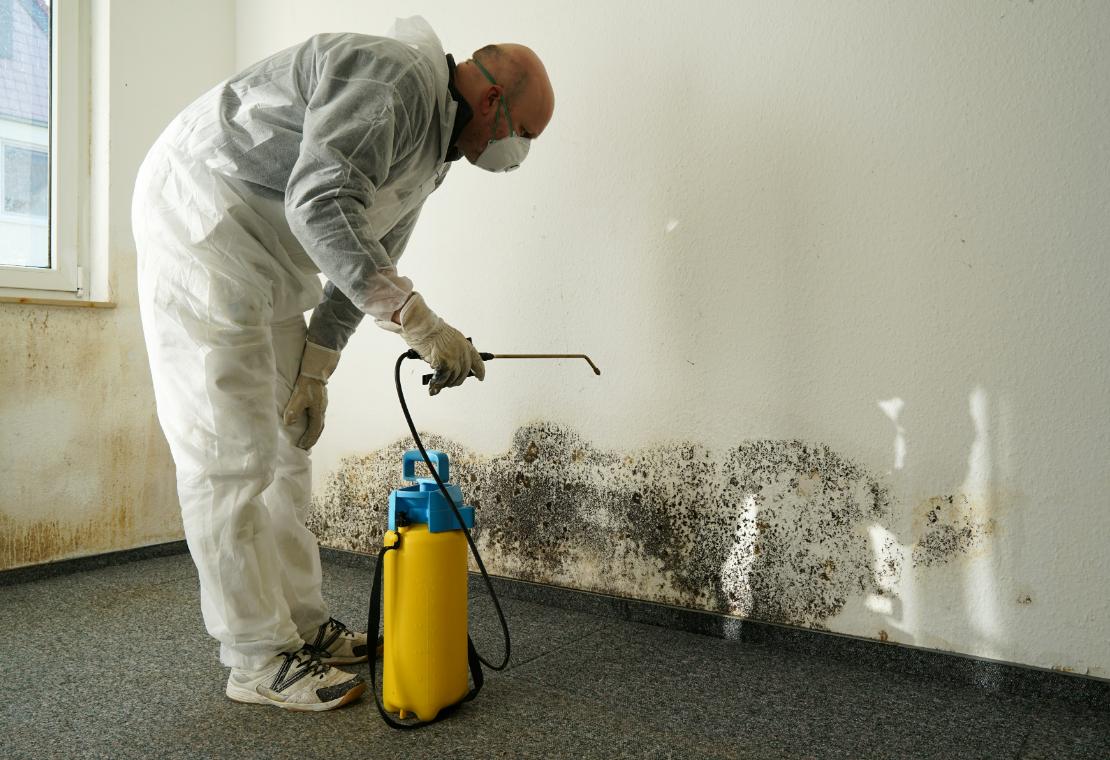
Our mould removal services in Oval commence with a detailed inspection and moisture assessment to ascertain the seriousness of mould contamination and its root causes. Commonly, mould growth can be attributed to condensation, damp conditions, water damage, or poor air circulation. Understanding these factors is vital for effective mould remediation in Oval. We concentrate our remediation efforts on structural surfaces such as walls, ceilings, and floors—key areas for mould development—while excluding soft furnishings like carpets and upholstery from our treatment process.
Through our comprehensive mould cleaning Oval services, we focus on addressing both visible mould and airborne mould spores to enhance indoor air quality. Professional mould remediation is essential for ensuring that not only is the existing mould removed, but future growth is also effectively prevented. With an emphasis on damp and mould removal, our service not only protects your health but also helps mitigate structural damage. For reliable black mould removal Oval, trust our expertise to foster a safer and healthier home environment.
In Oval, mould remediation kicks off with an exhaustive inspection and moisture assessment using top-tier hygrometers designed to reveal hidden dampness. Understanding where excess moisture lies is essential, as this allows us to mitigate future mould growth. Our operation includes the use of HEPA filtration systems and air scrubbers, which are critical for capturing airborne mould spores and fostering safe air quality during the remediation process.
The next phase involves the application of HOCl (Hypochlorous Acid) treatment—an effective, professional-grade, non-toxic solution that tackles mould, bacteria, and mycotoxins. The use of ULV (Ultra-Low Volume) fogging technology helps disperse the treatment uniformly, reaching difficult spots effectively. With professional equipment equipped with H-Class filtration for the physical extraction of mould, we ensure contaminants are securely contained. In the final step, we conduct air purification to further reduce airborne spores and improve indoor air quality, showcasing our effective mould removal methodology in Oval.
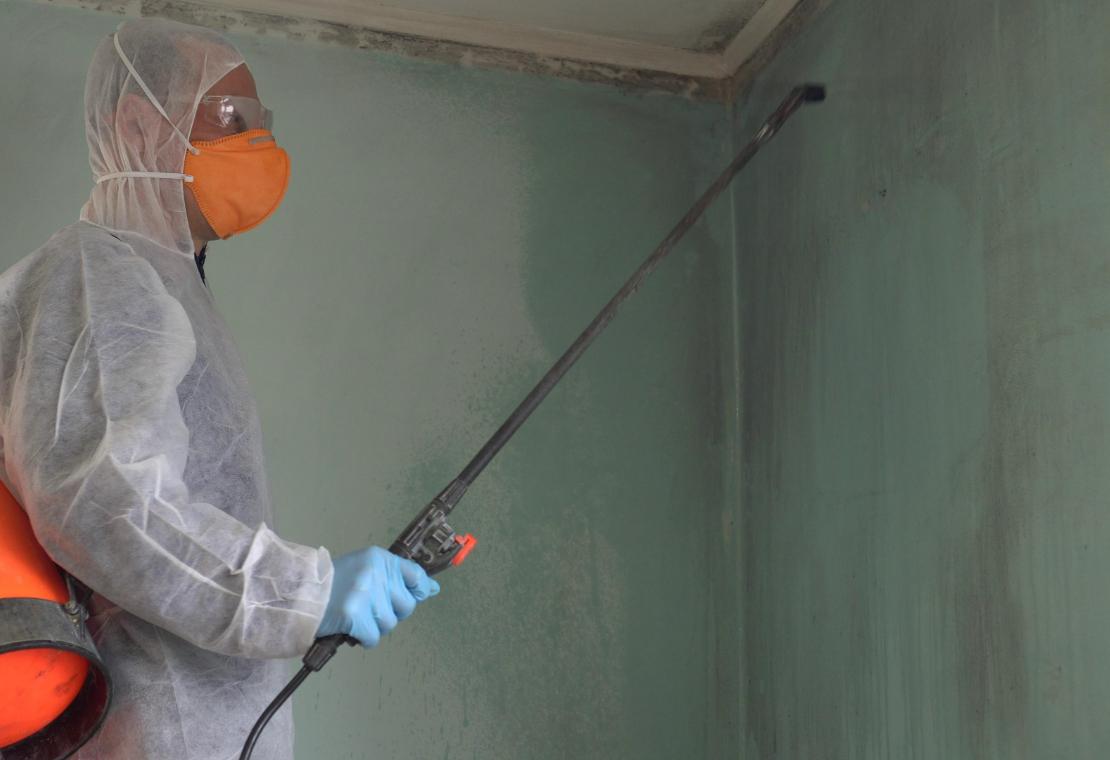
Booking mould cleaning is quick and designed to get results without unnecessary delays.
Share what you’re dealing with, whether it’s visible mould, damp patches, or a recurring problem. This helps determine the right approach, from mould cleaning to full mould remediation.
A specialist checks the affected areas and identifies what’s causing the mould, such as excess moisture, condensation, or poor ventilation. This ensures the issue is treated properly, not just on the surface.
You’ll get a straightforward quote based on the level of contamination and the type of mould removal required. The service is tailored to ensure effective results and long-term protection.
The treatment removes mould and improves indoor air quality, helping to prevent future growth and create a healthier living space. It also targets the root cause of the problem for longer-lasting results.
Mould removal requires more than basic cleaning, which is why it’s handled by trained mould remediation specialists experienced in treating both visible and hidden contamination. Each specialist assesses the full extent of mould growth, including underlying causes such as excess moisture, condensation, and ventilation issues, ensuring the problem is addressed properly rather than just on the surface.
Number of bookings: 214
With Fantastic Services for: 3 years
Other specialities:
Number of bookings: 123
With Fantastic Services for: 2 years
Other specialities:
Number of bookings: 8301
With Fantastic Services for: 6 years
Other specialities:
What the reviews say
"Quick and effective rodent control service. Their timely response and efficient methods resolved the problem with expertise."
Alongside professional mould removal and mould cleaning, a range of additional property care services is available to help maintain a healthier indoor environment.
Mould can spread quickly and impact both health and property if not treated in time. Book a service today to remove mould, improve indoor air quality, and restore a cleaner and healthier living environment.

Not every wet patch under a basin or behind a WC is a leak. Cold water pipework and cisterns collect condensation on their outer surfaces whenever the air around them is warm and humid, and in the flats and terraced houses around Oval — where bathrooms have frequently been squeezed into internal spaces, boxed in and tiled over — that condensate has nowhere to go but onto the floor and into the casing. Plumbers get called, find nothing wrong, and the household is left with a damp corner and a growing patch of mould.
Mains water is considerably colder than the air in a bathroom or kitchen, particularly in winter, so the pipe carrying it is a chilled surface running through a humid room. Moisture condenses on it exactly as it would on a cold window, and the more humid the room the faster it happens. A run crossing the back of a boxed-in corner can drip steadily for as long as it is used, without any defect in the installation.
A cistern holds several litres of cold water behind a large flat face, refilled every time it is used. In a bathroom with poor extraction its whole outer face can be wet, with water running down the back into the floor junction behind the pan — the most common place to find hidden growth in a small bathroom, because it is never wiped.
The distinction is straightforward if the right questions are asked. Condensate appears on the outside of a pipe along its whole exposed length rather than at a joint, it varies with how humid and how warm the room is, it stops when the room is well ventilated, and it is worst in cold weather when the incoming water is coldest. A leak concentrates at a joint or a fitting, is largely indifferent to the weather, and usually gets worse over time rather than better. Where the evidence points at a genuine fault in the pipework or a failing seal, that investigation and repair belongs with professional tap and toilet repairs in Camberwell.
Boxing a pipe run or a cistern into a tiled or panelled casing creates a small, unventilated space around a cold surface. Humid room air still gets in through service gaps and the panel edges, condenses inside, and cannot evaporate away again. Growth then colonises the inside of the casing, the timber framing and the back of the panel, and the first sign is a smell or a stain at the bottom of the panel long after the space has become thoroughly contaminated. Any casing in an affected bathroom is opened as part of the inspection rather than trusted.
Insulating the cold pipework is the direct answer, and it has to be continuous — a lagged run with bare sections at bends and valves still drips there. Cisterns can be insulated internally with a liner where the type allows, or the room's humidity can be brought down so that the cistern is no longer below the point where moisture forms on it. Improving extraction does both, which is why it is usually recommended alongside the insulation rather than instead of it. Casings are then made ventilated or removable so the space can dry and be inspected.
Once the source is dealt with, the work is mostly on materials that have been wet for a long time: soft timber framing inside a casing, softened plasterboard behind a panel, a floor edge that has stayed damp. Those come out rather than get treated, wet and with extraction at the working face. Sound tiling, ceramics and painted plaster are cleaned and treated with a biocide left on for its stated dwell. Drying is then monitored until the floor structure and the wall base give stable readings.
It helps to know whether the wet area changes with the weather and dries out when the room is left open, since that answers the main question before anyone arrives. Clear the floor around the pan and basin and be prepared for a casing or panel to be removed. Pricing follows the extent of opening up and removal, the drying period and the number of visits, with any pipework alteration quoted separately. Refitting casings, panels and skirtings afterwards is joinery covered by Lambeth TV wall mounting; insects living in a damp bathroom floor edge are handled by Kennington pest control specialists. Similar work in the adjoining district is covered by mould removal throughout Lambeth, and the general remediation method is on mould remediation.
Skip the line, request and
book a service online