Households with small children generate a different kind of mess from everyone else, and it is concentrated at knee height. Sticky handprints along the lower third of doors and walls, crumbs driven into the gap between a highchair seat and its frame, dried spills on the underside of a dining table, felt tip on a skirting board - none of it is reached by a routine that works from the worktop up. Family houses across SW4 tend to need the low band of every room treated as a task in its own right.
Products in a house where things get licked
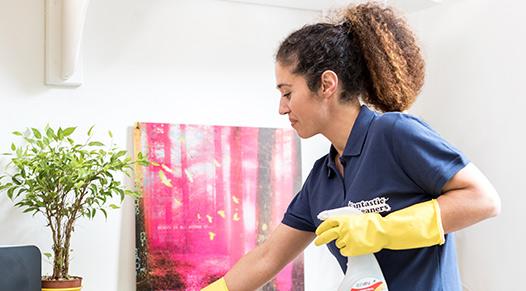
Surface chemistry matters more when toddlers put hands and mouths on everything. Strong disinfectant is rarely the right answer for a kitchen table; hot water, detergent and mechanical action remove the soil, and a sanitiser is reserved for the places that genuinely warrant it, with the contact time it needs and a rinse afterwards where food is prepared. Bleach and ammonia products are kept out of the same room as each other and out of reach entirely. Fragrance-free ranges are worth requesting where a child has eczema or asthma, since perfume residue is a common trigger left behind by a good clean.
Toys, fabric and the things that live on the floor
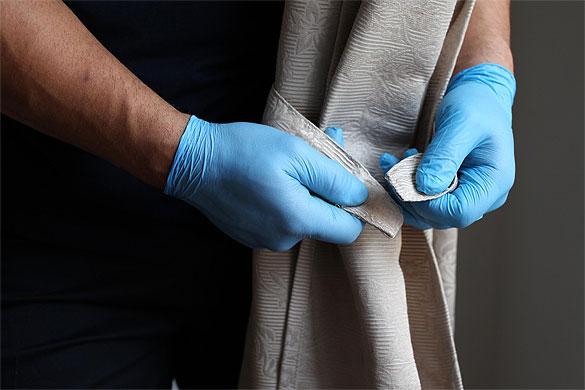
Plastic toys are washed in batches in warm detergent and dried thoroughly rather than wiped individually. Fabric toys go through a wash cycle. Playmats trap crumbs under their edges and against the foam interlocks, so they are lifted rather than vacuumed around. Stair gates, buggy wheels and the base of a travel cot collect a surprising amount and are usually invisible to a household that walks past them fifty times a day.
Timing a visit around a family
The practical question in these houses is not what to clean but when. Visits scheduled between the school run and mid-afternoon give a clear house and a predictable finish, while a session that collides with a nap upstairs means no vacuuming on that floor for an hour. Where a baby sleeps in the day, rooms are re-ordered so the quiet work happens first. Agreeing that pattern up front avoids a visit spent tiptoeing and half finished.
Side-return kitchens and open-plan rooms
A great many Victorian terraces here have had the side return filled in, producing a long kitchen-dining room with a glazed roof, bifold doors and a floor that runs the length of the house. The room absorbs everything - cooking, homework, muddy boots from the garden - and the roof glazing shows every mark from below. It takes the largest share of a visit, and it is the room where leaving the household five clear minutes to move belongings makes the biggest difference to the result.
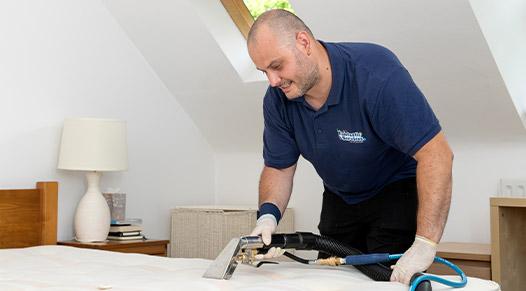
Carpet in a house with children
Spills reach the backing rather than sitting on the surface, and blotting stops working once something has dried. Milk and juice in particular ferment in the underlay and return as an odour weeks later, at which point vacuuming is beside the point. Extraction with proper drying, arranged through Clapham carpet cleaning team, resets a stair carpet and a playroom in a way that no weekly routine can, and it is best booked when the room can be left empty overnight.
Keeping the standard between visits
Regular attendance is what stops a family house sliding, and the rota that works is the one built around the two or three rooms that actually take the traffic - Clapham domestic cleaning team covers that recurring arrangement. Households moving within the wider area often keep the same cleaner and the same hours through the South London branch, and where a tenancy ends the standard shifts to an inventory comparison, which is the job described by our Balham team.
Before the cleaner arrives
Charging is by the hour, so time spent tidying toys is time not spent cleaning. Floors cleared, the table empty and the highchair pulled out convert directly into finished rooms. It is worth naming any product the household will not have in the house, saying where pets will be, and flagging rooms that are out of bounds. Other services that families tend to combine with a rota are set out on cleaning services nationwide.