A first-floor conversion flat with one bathroom, no direct garden access and a radiator permanently draped in wet laundry is one of the most common arrangements in SW4. It is also the quickest route to a condensation problem. A ceiling-mounted pulley airer removes a surprising amount of that moisture from the living space, but only when the fixing points are chosen properly and the rack hangs where warm air actually moves.
Why washing ends up drying indoors in a conversion
When a Victorian terraced house is split into flats, the garden almost always goes with the ground floor. Upper flats are left with a rear window, perhaps a small balcony, and a lease that rules out drying in communal areas. Households sharing a two or three bedroom conversion generate several loads a week between them, and each load releases a litre or more of water into rooms that were never designed around modern airtightness. The moisture has to go somewhere, and in a sealed-up flat it goes into the coldest surfaces.
Finding something overhead worth fixing to
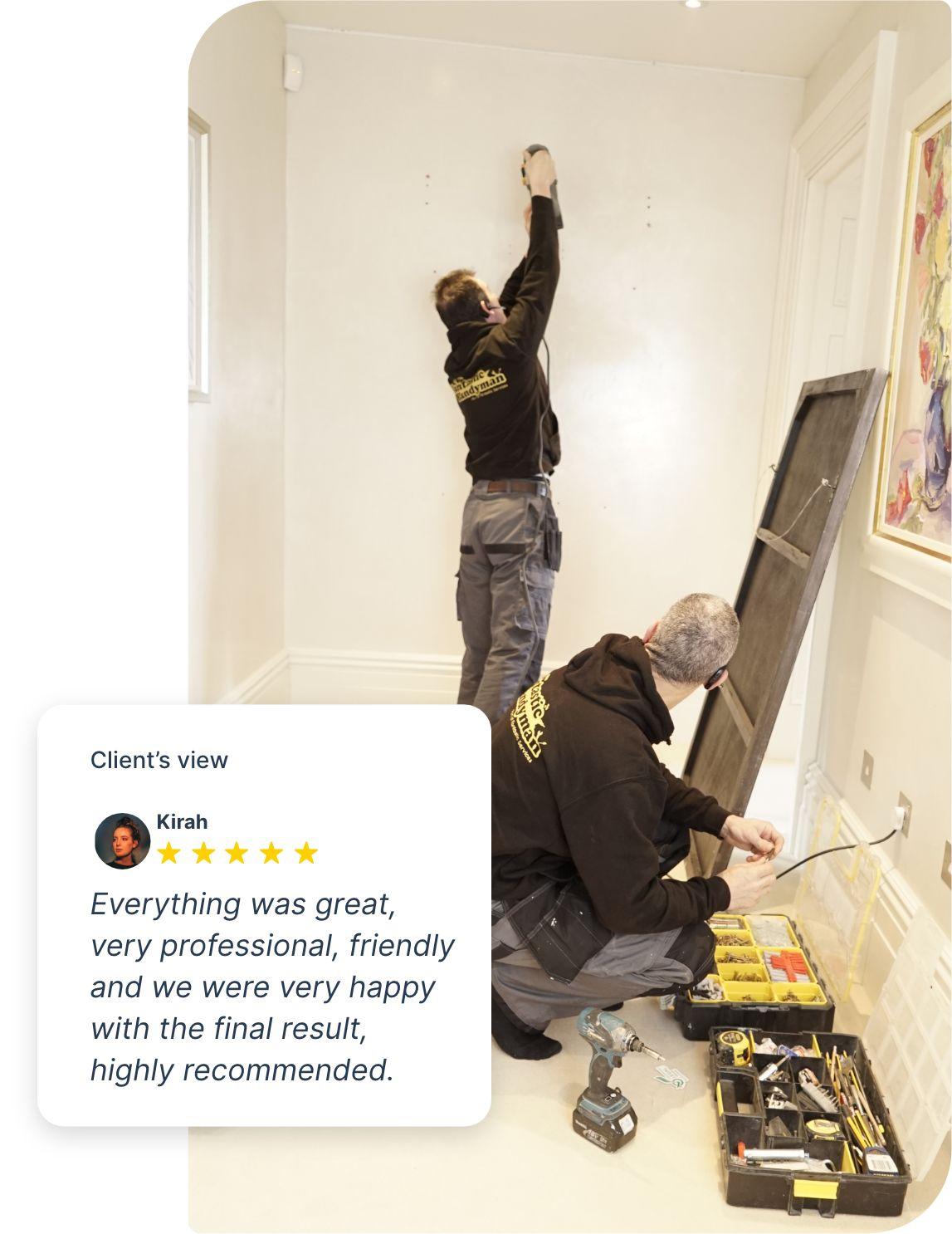
Ceiling joists in these houses run in one direction only, and a loaded airer must cross them, not sit between them. Many conversions have a secondary ceiling added underneath the original for sound separation, which puts two layers of board and a shallow void between the surface and anything structural. A detector reading is confirmed with a fine pilot hole rather than trusted outright, because old lath will fool most meters. Plasterboard fixings have no place in this job at all. Where nothing suitable crosses the chosen position, a timber cross piece is fixed to two joists and the pulleys mounted from that.
Where the rack should actually hang
The instinct is to hang it over the bath, which is the worst place available, because that is the room being ventilated hardest. A hallway with a stairwell above it, or the warm side of a kitchen away from the hob, dries washing far faster. Head height matters, the lath ends need clearance from a cornice, and the swing of any door underneath has to be checked with the rack lowered as well as raised. The rope cleat then goes somewhere reachable without standing on furniture.
The parts that fail, and why
Most failures are the rope or the cleat rather than the rack. Cord that is too thin cuts into the pulley cheeks and frays where it turns, and a cleat fixed into plasterboard will eventually pull out under the load of a full rack being hauled up. The cleat goes into a stud or into masonry with a proper plug, and the rope is tied off so the tail cannot slip through under load. Timber laths are worth checking for splits around the end caps once a year.
What happens if the damp has already taken hold
An airer changes where moisture evaporates, not how much of it there is. If black growth has already appeared on a cold external wall, behind a wardrobe or in the corner above a window, the surface needs treating and the cause addressed, which is work for our mould removal in Clapham. Persistent humidity in a bathroom also encourages silverfish and similar insects to settle in, and an established population is dealt with by our pest control in Clapham rather than by drying habits alone.
When drying is a plumbing question instead
Sometimes the honest answer is that a household producing that volume of washing needs a machine rather than a rack, and that changes the trade involved. A condenser dryer needs a route for its water, a vented machine needs a duct through a wall, and a washer-dryer swap may need the supply and waste altering. That side of the work sits with the plumbing team in Chelsea. Everything on the carpentry side, including boxing in the new pipework afterwards, can be handled on the same sort of visit as jobs covered by South London handyman team.
What the fitting appointment involves
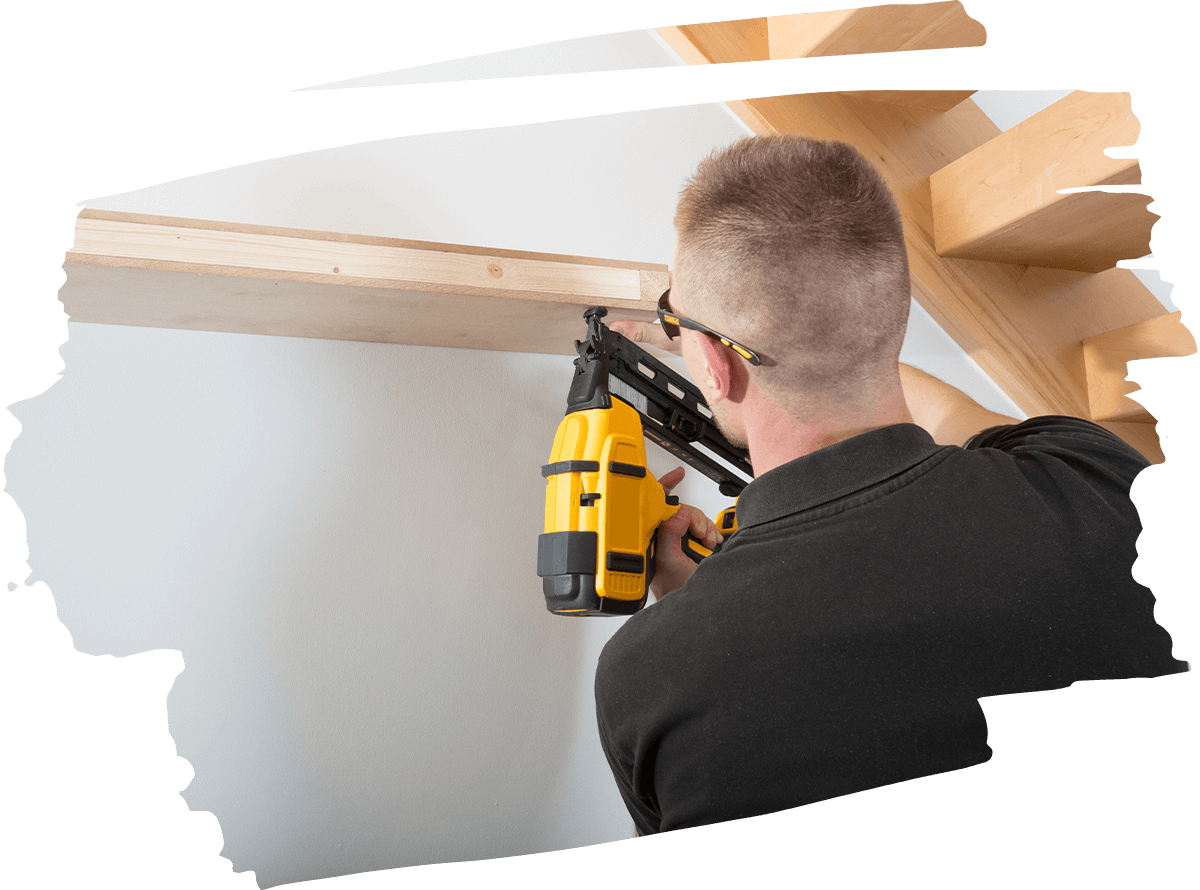
Ceiling height decides whether steps or a small tower are needed, and a high stairwell installation is slower because the cleat run is longer. The fitting is charged by the time on site rather than by the item, so having the airer already on hand and the chosen position agreed shortens the visit. The rack is loaded and raised before anyone leaves, which is the only reliable test of the fixings. Other repairs that can be grouped into the same slot appear on local handyman service.