Tenancy agreements in England can no longer require a tenant to pay for a professional clean as a condition of the tenancy. What they can require is that the property is returned in the same state of cleanliness as it was let, and that distinction is where most of the confusion around SW4 check-outs begins. A clause demanding a receipt from an approved contractor is unenforceable; a clause setting a standard is not, and a tenant who ignores the second because the first is void ends up losing part of a deposit.
Standard, not supplier
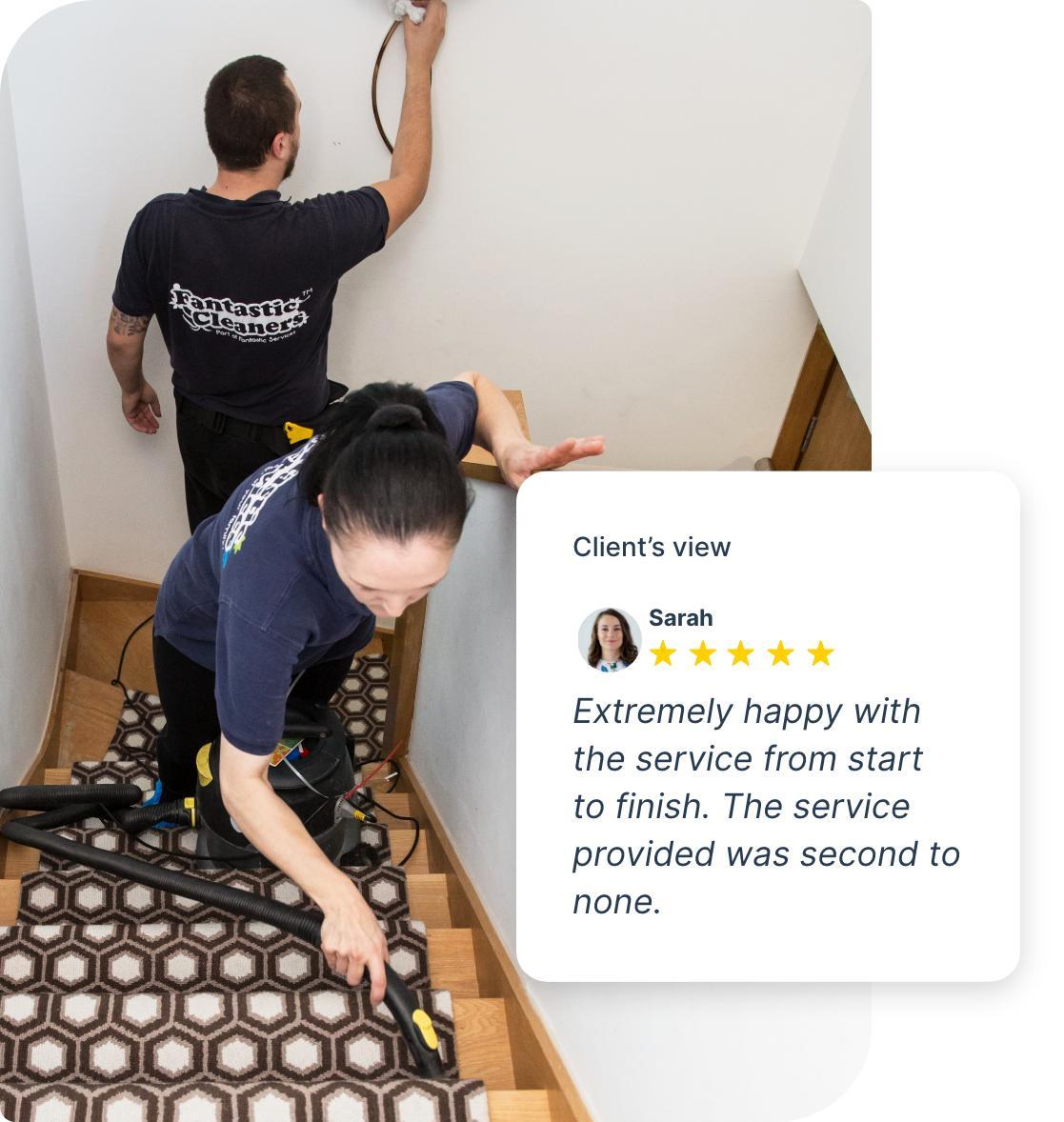
The practical effect is that the choice of who cleans belongs to the tenant and the outcome does not. A property let with a professionally cleaned oven, streak-free windows and freshly extracted carpets has to come back that way, whether the work is done by a company or by the tenant over a weekend. Most people turn to a company because the standard is high, the task list is defined and the result is documented. The itemised sheets behind services such as vetted end of tenancy cleaning in Brixton exist precisely because the standard has to be demonstrable.
Reading the agreement before the last month
The clauses worth finding early are the ones about the condition of the garden, the treatment required if pets have been kept, whether curtains must be laundered and whether a check-out fee is payable. Some of those are legitimate obligations and some are prohibited payments. Reading them with a month left leaves time to arrange work; reading them on the final morning leaves time for nothing. Where the agreement calls for the property to be returned as at check-in, the check-in report is the specification.
Sharers and joint liability
Most flats in these converted terraces are let on joint tenancies, which means the deposit is held against the group and cleaning is a shared obligation regardless of who made the mess. One person leaving a room untouched exposes everybody. Agreeing early how the cost is divided, and who is responsible for the communal rooms, avoids a bad-tempered final week, and a single instruction covering the whole flat is invariably cheaper than four people doing four separate things.
Sequence in the final week
Furniture first, cleaning second, inspection third, keys last. A clean carried out around boxes is a clean that will be criticised, and handing keys over before the check-out removes any opportunity to correct a small omission. A full flat is emptied through our removals in Clapham the day before the clean, which also gives a chance to see the walls and floors that furniture has been covering for two years.
Moving out in stages
Sharers rarely leave on the same day, and a flat that empties gradually is easier to manage than one that empties all at once. A short booking such as man and van services in South London in the days beforehand takes out the bulky items while people are still living there, leaving a manageable final load. Households relocating further out of town run on the same principle through removals specialists in Earlsfield, with the heavy items going first and the last van taking what is left.
The parts outside the front door
Converted houses share a front path, a bin area and often a patch of front garden, and the agreement usually makes upkeep a shared responsibility. A path thick with algae is a hazard as well as an untidy photograph on a check-out report, and a controlled wash-down of the kind used in professional driveway cleaning in Westminster deals with it in an hour. Furniture left at the front for collection, meanwhile, becomes the managing agent's complaint and the departing tenant's charge.
What the money buys, and when
A move-out clean is assessed on the size and furnishing of the property because it is a fixed list of tasks; the value of it is the list and the record that it was carried out. Utilities need to be live and the flat empty. Carpets are extracted last and need drying time, so carpet cleaning specialists in Clapham sets the timing of the whole day. The published task list behind our end of tenancy cleaning service is what to compare a tenancy clause against.