Autumn is when a Twickenham garden asks for more attention than the rest of the year combined, and the reason is overhead. Streets around TW1 carry a heavy population of mature street and garden trees, and from late September a small back garden can receive several barrow loads of leaf without a single tree of its own. Left where they land, those leaves do real damage: they smother grass, block gullies, and turn paths into something genuinely treacherous by the first frost.
Leaves are a resource, not a nuisance
Leaf litter stacked in a wire cage or bagged with a few holes punched in it rots down into leafmould over a year or two, and there is no better mulch for a shady border or a seed bed. Unlike compost, leafmould is made by fungi rather than bacteria, which is why it does not need warmth, turning or a balance of green and brown material. It simply needs to be damp and left alone. Anything mown up with grass in it composts instead, which is a different heap and a different timescale.
Clearing without stripping the garden bare
Blowing every leaf out of every corner is a mistake. Borders benefit from a covering left in place over winter, since it protects crowns, feeds the soil and shelters overwintering insects. The places that genuinely need clearing are lawns, where a mat of wet leaf will kill grass in a fortnight, paths and steps, where the hazard is immediate, and drainage points. Gullies, gutters and the grating at the bottom of a lightwell all need looking at twice through the season, not once, because the second fall after a windy night undoes the first clearance.
The last cuts and the state of the grass
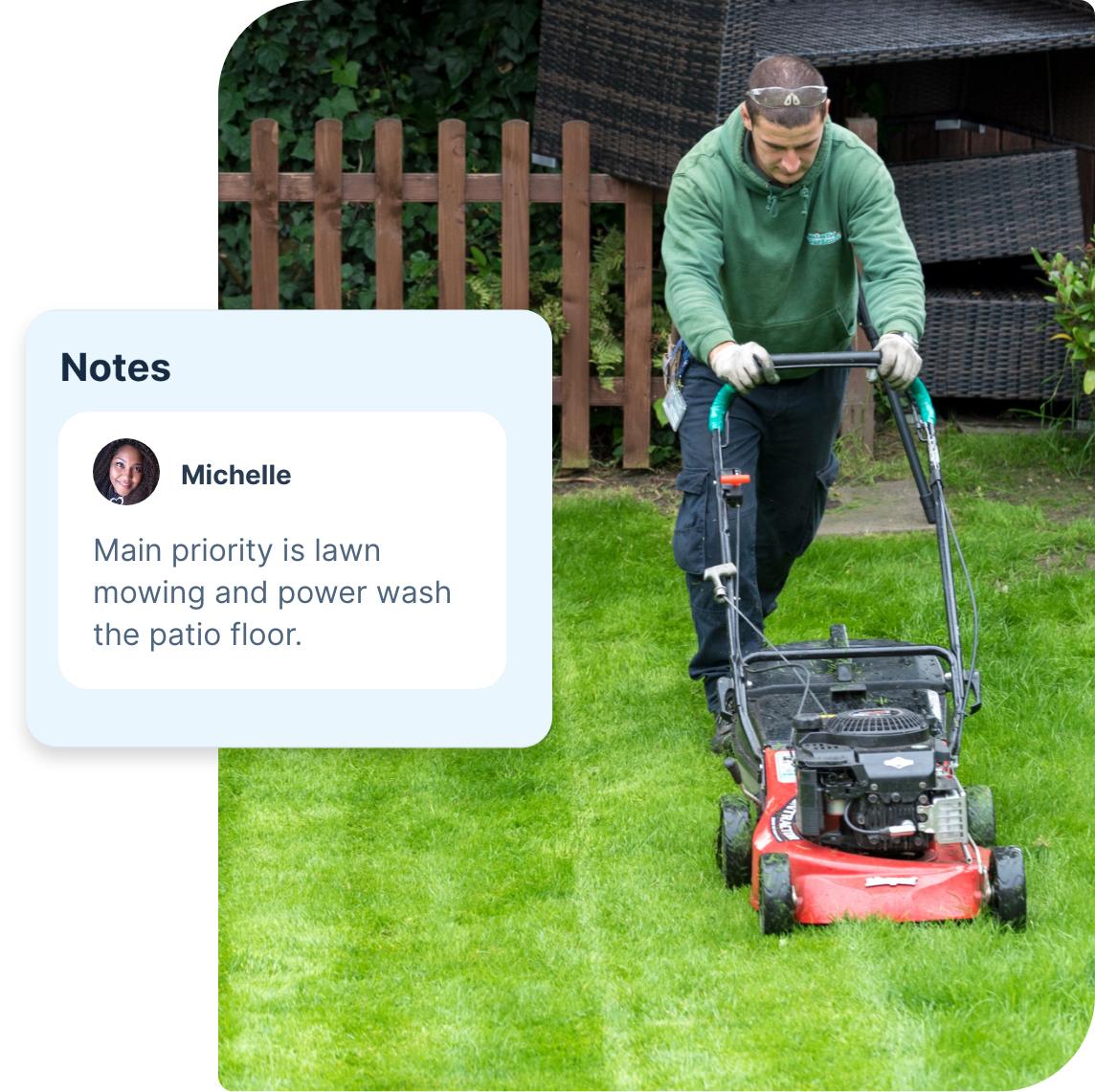
Grass keeps growing into November in a mild year, and a lawn left long and wet under leaf fall goes into winter thin and mossy. Cuts continue at a raised height for as long as the ground is firm enough to walk on without leaving prints, and stop when it is not. Mowing across fallen leaves on a dry day collects them and shreds them at the same time, which is the quickest leaf clearance available on a lawn. The frequency and height settings behind that routine are set out on professional weeding and tidy-ups in Twickenham.
Cutting back, and what to leave standing
Herbaceous material that has collapsed, gone slimy or is harbouring rot is cut down; stems that are still standing and carrying seedheads are better left until late winter, both for the look of them in frost and for the birds. Grasses are left entirely, since their crowns rely on the old growth for protection. Roses are shortened by a third against wind rock rather than pruned properly, with the real pruning left to late winter. Tender plants in pots move to the shelter of a wall, and terracotta that will not survive freezing is emptied and raised off the ground.
Slippery surfaces and the first frost
Paths, steps and decking under tree cover build a layer of decomposing leaf and algae that is slick well before there is any ice, and steps down from a raised patio are where that becomes dangerous. Sweeping regularly through the season is the practical control, but by November most surfaces under heavy leaf fall need more than a broom, and restoring them is covered by pressure washing services in Twickenham.
What comes indoors in October
The same cooling that ends the growing season sends rodents looking for somewhere warm, and a garden with an ivy-covered fence, a full compost heap and a woodpile against the house provides both the route and the reason. Clearing dense cover from around air bricks, moving stacked timber away from walls and keeping fallen fruit picked up all reduce the attraction. Where activity has already moved into a roof or a wall cavity, that is work for Whitton pest control team.
Booking the autumn round
Autumn work is normally taken as a short series of visits a few weeks apart rather than one big clearance, because a single visit in October is always followed by another fall in November. Pricing follows the time on site and the number of loads removed, and a garden with mature trees over it will generate more than one. Somewhere on site to stack leaf for rotting, clear access to gullies and drains, and a decision on which borders get cut back and which stay standing are the things worth settling at the first visit. How the autumn tasks connect to the rest of the seasonal cycle is described in trusted garden clearance.