The first fortnight of real growth catches most gardens out. Soil temperature climbs, everything moves at once, and a plot that looked dormant in February is knee-deep by the end of April. In LU1, where a good many gardens sit behind Victorian terraces and post-war semis with limited access, that surge is much harder to catch up on than it is to stay ahead of.
The first cut of the year
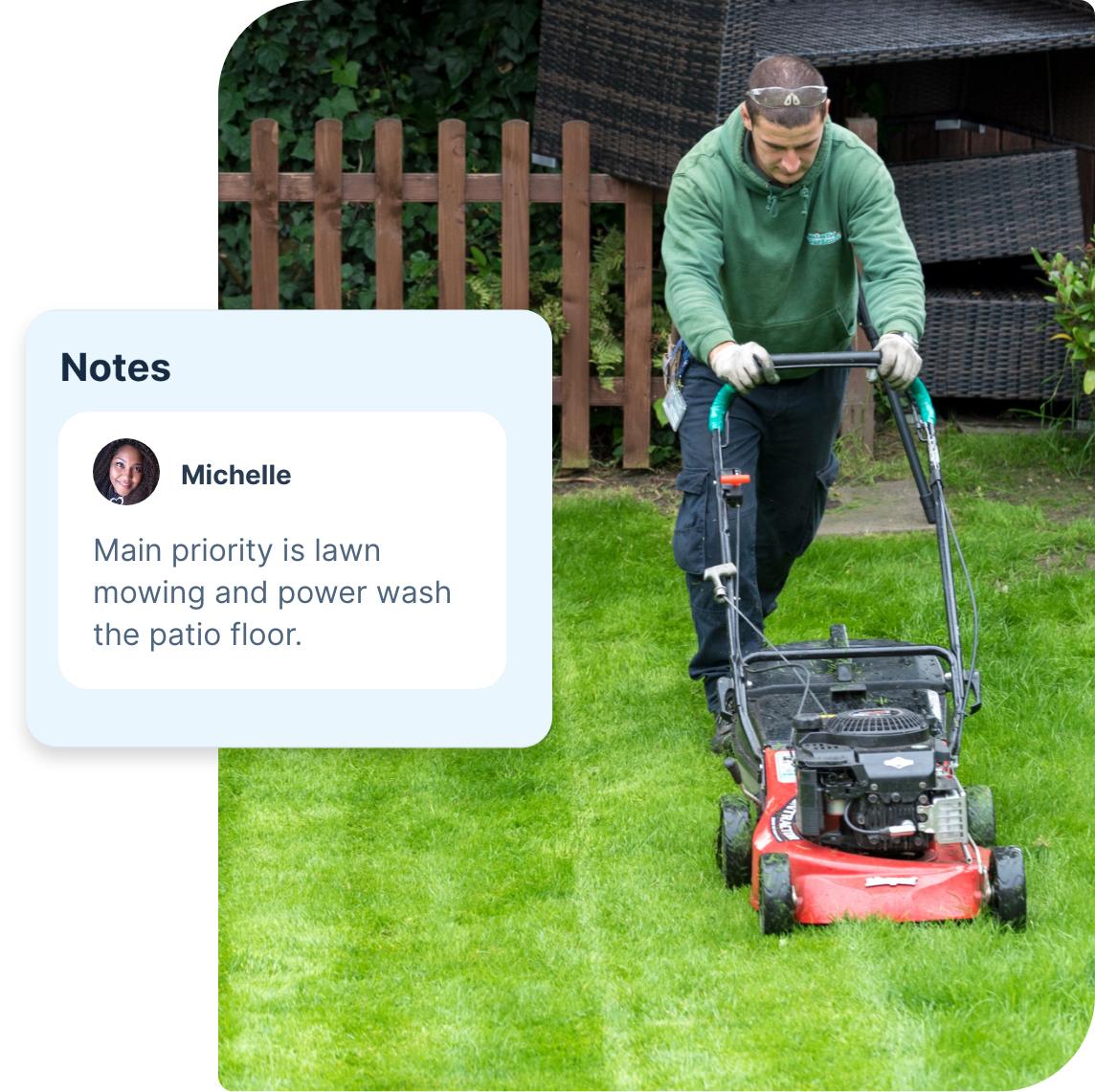
Timing the first cut by the calendar is unreliable; grass starts moving when soil temperature rises rather than when March arrives, and a mild winter can mean the sward never properly stops. The first pass goes on at a high setting, taking the tips off rather than cutting into the sward, with the height lowered over the next two or three cuts. Going straight in low on growth that has stood all winter shocks the plant, exposes soil that moss immediately occupies, and produces a yellow lawn for a month.
Weeds germinate before anything else
Annual weeds are opportunists and they are away well before the plants around them. A bed hoed twice in the space of three weeks in early spring stays broadly clear into June; the same bed left until the growth is obvious takes four times as long to clear and disturbs the roots of everything in it. Perennial weeds need different handling, since anything spreading by root fragment is propagated rather than removed by a hoe. Knowing which is which before starting saves an entire season of repetition.
Bed preparation while the soil is still damp
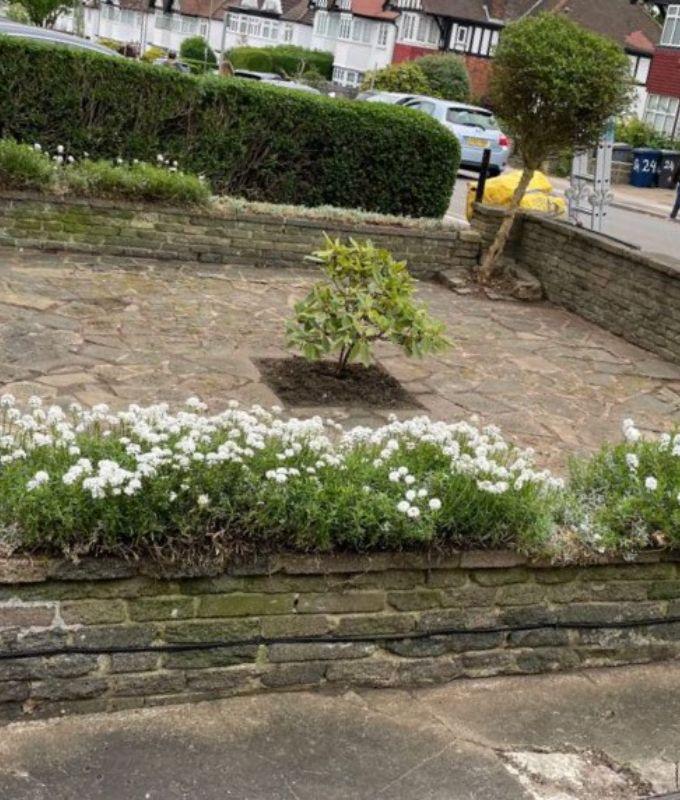
Mulch laid in March, on soil that holds winter moisture, traps that water for the summer. The same mulch laid in June seals in whatever dryness is already there. Compost is spread before the perennials break, while there is room to work between them. Edges are recut now, when the line is visible and the ground cuts cleanly. All of this is easier, faster and more effective in the six weeks before growth closes over, and it is the part most often skipped in favour of mowing.
What to cut back and what to leave standing
Seedheads and hollow stems left over winter come down as new growth appears at the base, and the old material is best cut rather than pulled so the emerging crowns are not lifted. Evergreen grasses are combed through rather than cut; deciduous ones are taken to the ground. Frost-damaged growth on shrubs is left until the risk of a late frost has passed, because cutting early prompts soft new shoots at exactly the wrong moment. Anything that flowers on last year's wood waits until after it has flowered.
Equipment, and the state it came out of the shed in
A blunt mower blade tears grass rather than cutting it, and the torn tips brown off within a day, which is why a lawn can look worse after a cut than before it. Blades sharpened, filters cleared, fuel that has stood all winter drained, and cutting heights checked before the first job all belong to March rather than to the first wet Saturday in May. Hand tools kept sharp make hoeing quick enough to be worth doing regularly, which is the whole point.
Catching up on a garden that got away
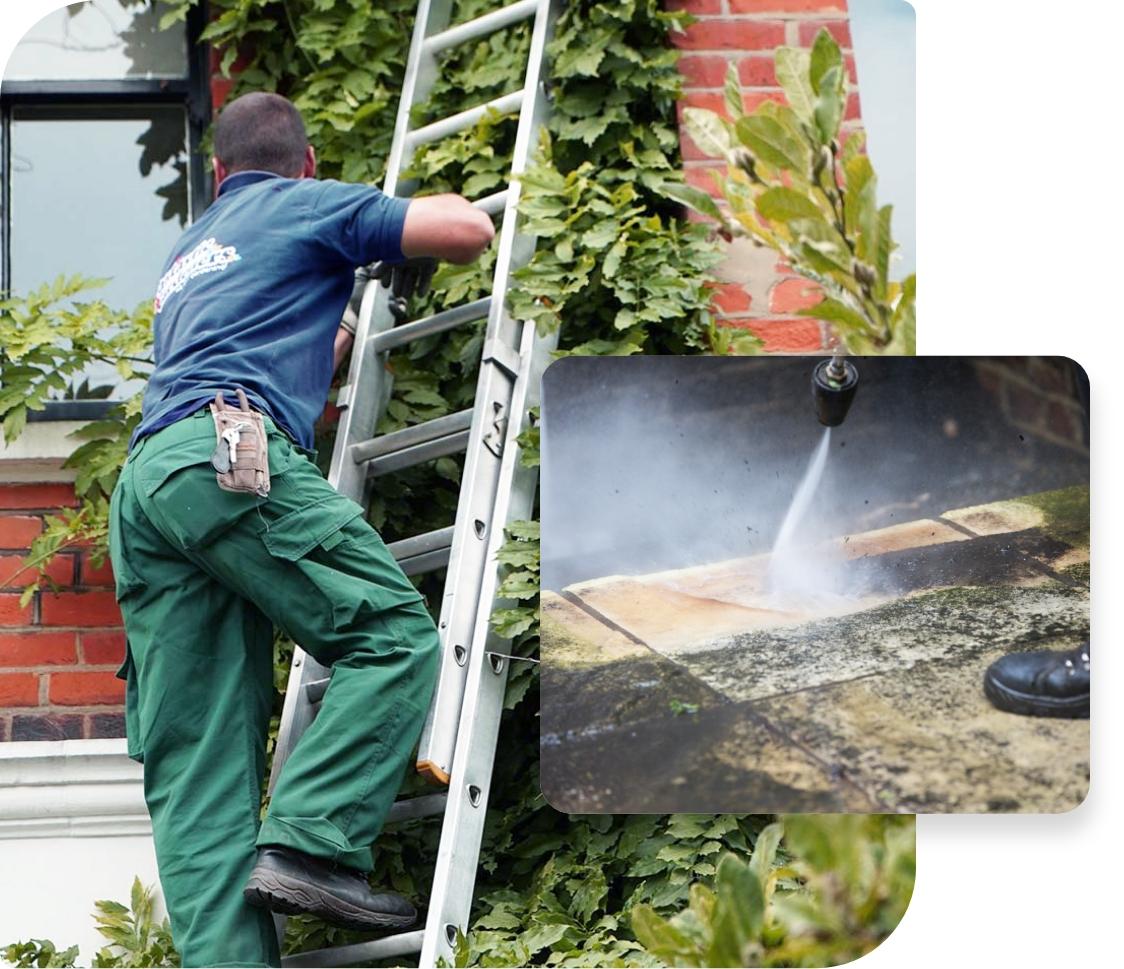
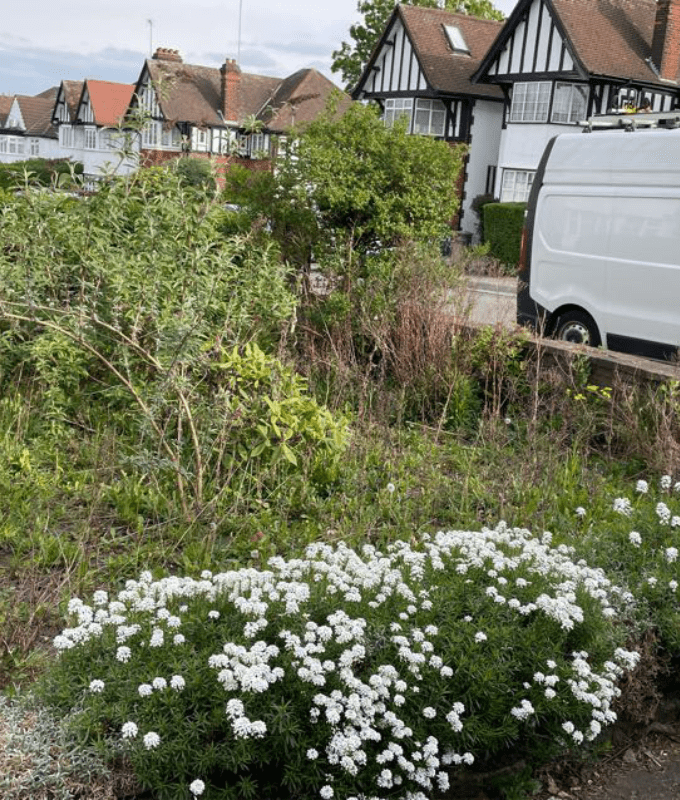
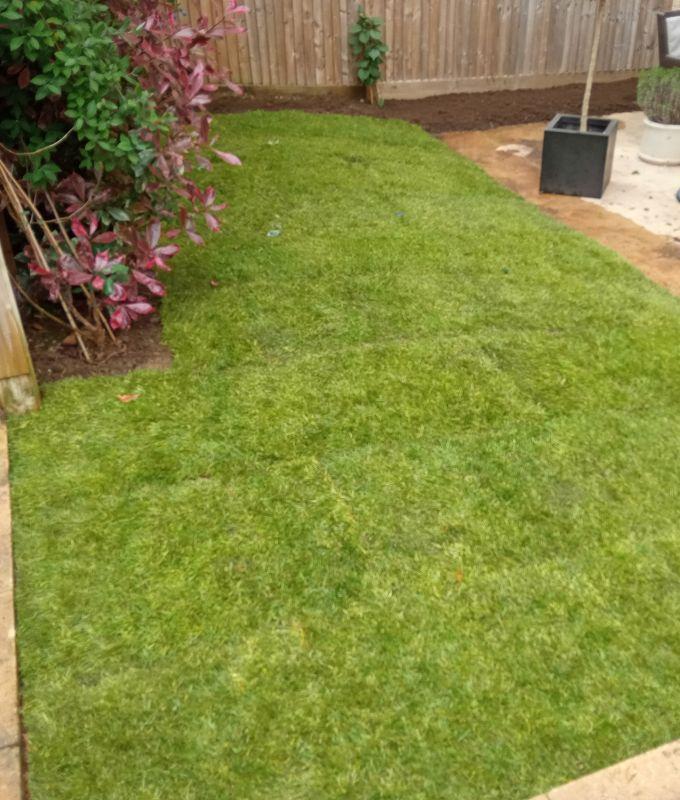
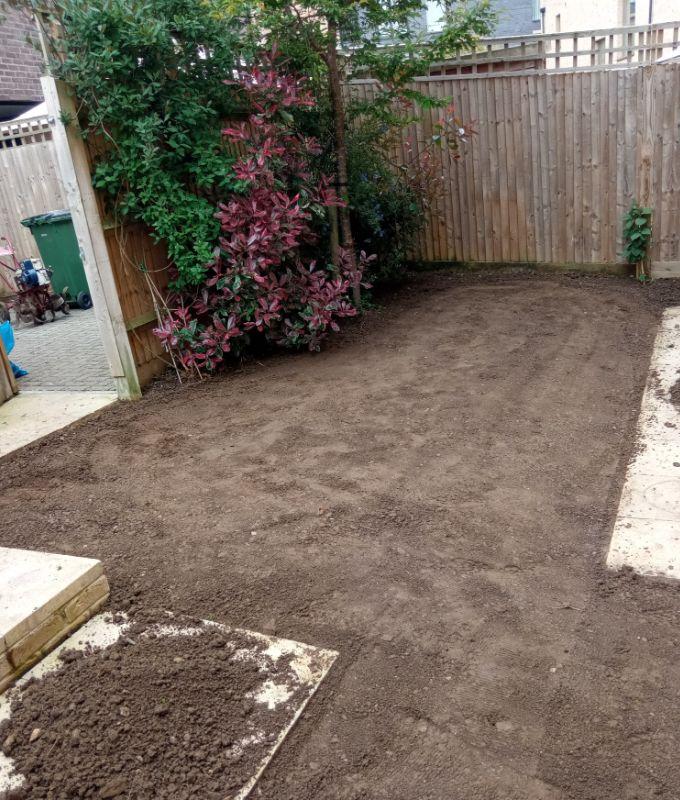
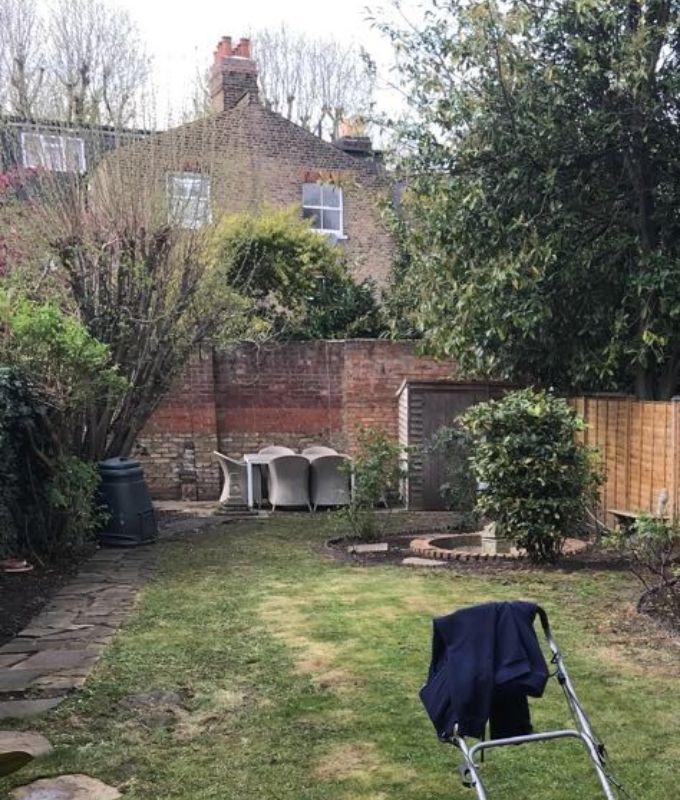
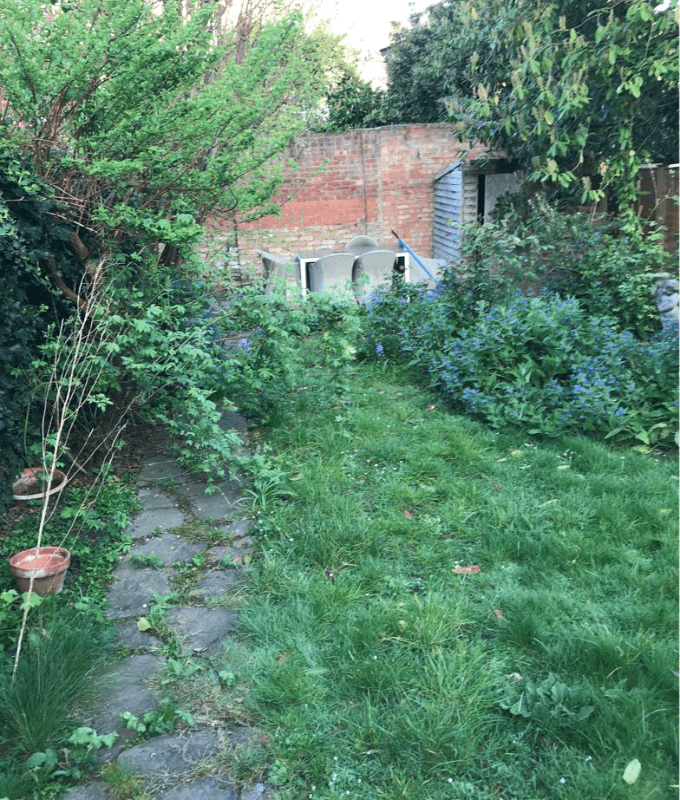
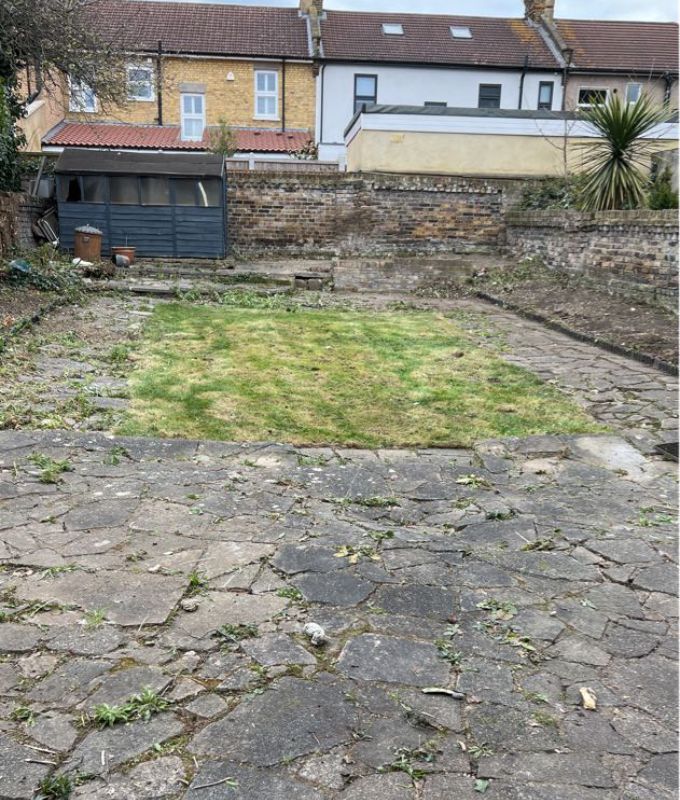
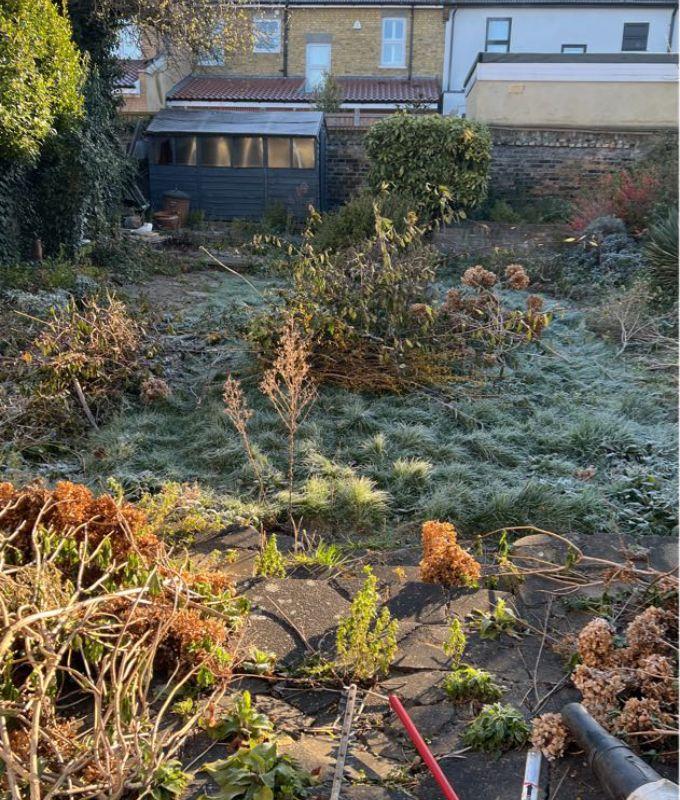
Where spring has already run ahead, the recovery is staged rather than attempted in a day. Grass comes down over several cuts, beds are cleared a section at a time so the soil is not left bare across the whole plot, and the boundaries are dealt with last. Paths and patios come out of winter with a dark film that makes everything look neglected, and lifting that early transforms the appearance of a garden before a single plant has been touched; it needs the equipment described under pressure washing for rented homes in Luton. The indoor counterpart to a spring reset is covered by cleaning services throughout Luton.
Getting a spring visit into the diary
Demand for spring work concentrates into a few weeks, so a date agreed in February is worth considerably more than a call in May. A first visit of the year is generally quoted as a task list - cut, edges, beds, mulch, boundaries - rather than as a standing slot, with a recurring schedule starting afterwards once the garden is back under control. Materials are priced by quantity and labour by time on site. Gardens on the chalk a little further south need a different approach again, as the work covered through local gardening across Hemel Hempstead shows, and recurring formats are set out on professional weeding and tidy-ups.