Audible running tells you the motor works, not that the extracted air is actually leaving the building. A large proportion of extract systems inspected in Clapton flats are achieving almost nothing, and the reason is nearly always the ducting rather than the unit bolted to the wall. E5 has a substantial stock of Victorian and Edwardian houses divided into flats, and in most of those conversions the new shower room ended up in the middle of the plan with no window, served by a long duct run improvised through whatever void was available.
Why the duct decides the airflow
Every metre of duct and every bend adds resistance, and a small axial fan has very little capacity to work against it. Flexible ducting is the worst offender: it sags between fixings, so condensate collects in the low points and gradually blocks the run, and its corrugated bore creates far more friction than smooth pipe. A duct crushed behind boxing or flattened where it passes over a joist can halve the flow. A long horizontal run through cold roof space cools the moist air to the point where it condenses inside the duct and drips back towards the room.
Where the air is supposed to come out
A surprising number of ducts terminate nowhere useful. Discharging into a loft, a ceiling void or a closed eaves space simply relocates the moisture to a colder place with no ventilation, which converts a bathroom problem into a roof problem. A proper termination is a wall or roof outlet with adequate free area, a working backdraught shutter and a cowl rather than an insect mesh that clogs. Where a run must cross an unheated space, the duct is insulated so the air inside it stays above dew point until it leaves the building.
Specifying the unit to match the room
Different situations need different equipment, and fitting the cheapest unit is how the cycle starts again. Short runs suit a wall or ceiling fan. Longer or more resistant runs need an in-line unit mounted in the void, sized for the pressure it has to work against, often centrifugal rather than axial. Continuous low-rate running with a boost on occupancy or humidity keeps the room dry without the noise of a fan starting and stopping. An overrun timer matters because most of the moisture leaves the room after the shower, not during it.
Testing and notifiable electrical work
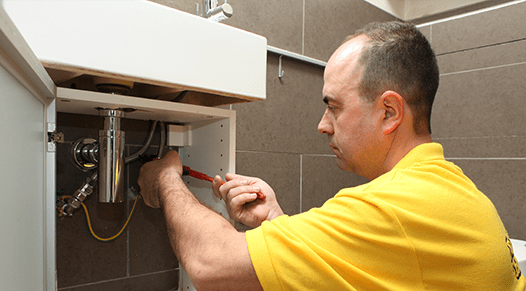
Airflow is measured at the grille rather than assumed from the box, before and after any change, which is the only way to prove an improvement. New circuits and alterations within a bathroom are notifiable electrical work under the building regulations and need a competent person and a certificate, so a fan change is not always the simple swap it looks like. Forming an access panel, reboxing a rerouted duct, refitting grilles and making good afterwards is covered by handyman across Clapton. Voids opened during the work sometimes reveal droppings as well as ducting, and Clapton pest control specialists deals with that.
Nearby work and post-works cleaning
The same conversion pattern appears across east London, and local specialists covers an adjoining district where internal bathrooms are just as common. Opening a ceiling brings down plaster dust through the whole flat, and professional cleaners services in Highams Park deals with the clean afterwards. Method and guarantee detail is on mould removal and remediation for landlords.
What a visit leaves behind
The useful output is a record rather than a receipt: measured airflow before and after, the specification of what was fitted, a note of where the duct runs and how it terminates, and the control settings it was left on. That document is what prevents the next occupant, or the next contractor, undoing the work. Access to the ceiling void is the main variable on the day, so it helps to know whether a hatch exists and to clear the room beneath. Pricing reflects scope: a measured assessment is a fixed visit, while works are quoted by whether ducting is replaced or rerouted and by how much making good follows.