Mould Removal and Remediation in Seven Sisters
Comprehensive mould treatment services that eliminate mould at its source while supporting improved indoor air conditions.

Comprehensive mould treatment services that eliminate mould at its source while supporting improved indoor air conditions.

The cost of mould removal depends on the size of the affected area and the type of treatment required. After a detailed inspection a clear, personalised quote is provided based on the scope of work.
| Small mould area (e.g. around a window or corner) | Medium mould area +£100 (large section of a wall affected) | Large mould area +£150 (more than one wall or ceiling) | ||||
|---|---|---|---|---|---|---|
| Room | Standard | Fantastic Club* | Standard | Fantastic Club* | Standard | Fantastic Club* |
| Bedroom | £350 | £320 | £450 | £420 | £500 | £470 |
| Bathroom | £350 | £320 | £450 | £420 | £500 | £470 |
| Kitchen | £350 | £320 | £450 | £420 | £500 | £470 |
| Living / Dining room | £350 | £320 | £450 | £420 | £500 | £470 |
| Hallway / Landing | £350 | £320 | £450 | £420 | £500 | £470 |
| Utility room | £350 | £320 | £450 | £420 | £500 | £470 |
| Paid inspection | £50 | |||||
| *Price for members of the Fantastic Club. The Fantastic Club is a yearly subscription of £89. | ||||||
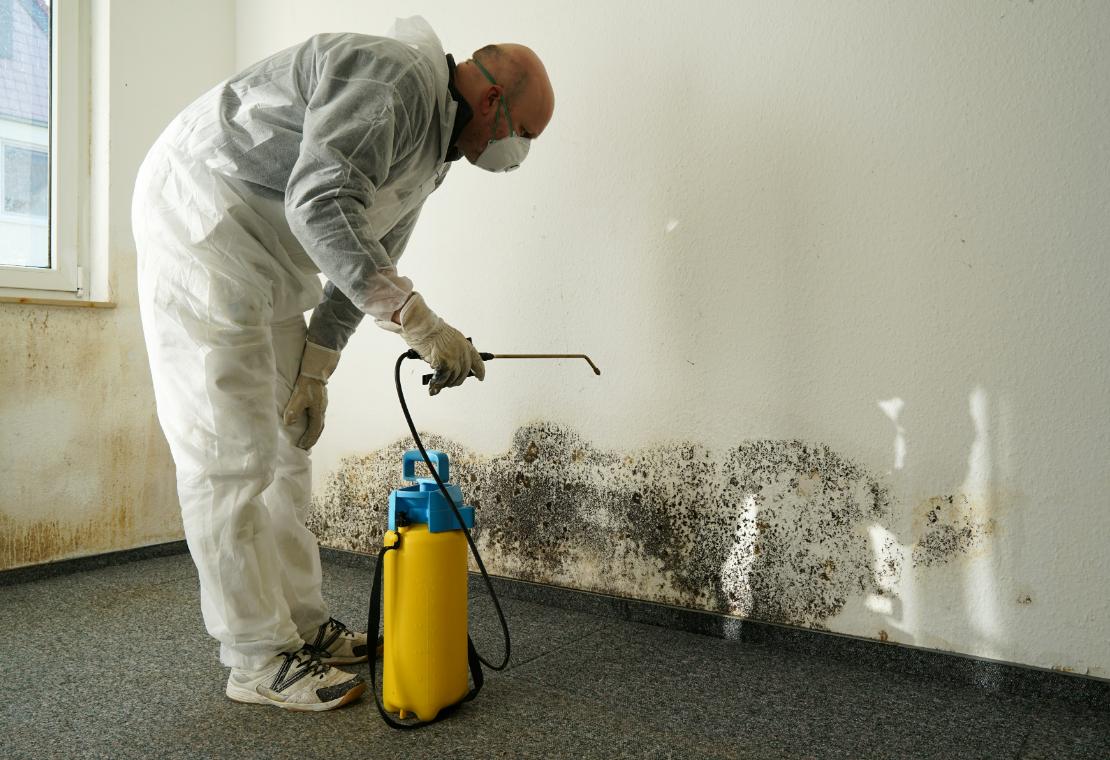
For residents enlisting mould removal services in Seven Sisters, the integration of advanced technology is paramount in achieving thorough remediation of both visible and hidden areas of mould. Mould spores, by their nature, can propagate through the air and settle in locations that standard cleaning often overlooks. Therefore, professional mould cleaning in Seven Sisters employs airborne treatments that work in tandem with surface cleaning to combat all levels of contamination within an environment.
The efficacy of mould removal is greatly amplified using ULV (Ultra-Low Volume) fogging technology, which ensures that treatment particles are distributed evenly across the entire space, effectively reaching challenging areas behind furniture and within ceiling crevices. The application of Hypochlorous Acid (HOCl) offers an additional layer of protection, acting as a non-toxic disinfectant that neutralises mould, bacteria, and mycotoxins at a molecular level. This sophisticated approach guarantees full environmental treatment, elevating indoor air quality and minimizing the risk of subsequent mould reappearance.
Mould remediation in Seven Sisters is designed to eliminate existing mould and prevent its return by addressing the environmental conditions that foster growth. An expert assessment of humidity, ventilation, and potential water ingress identifies the specific factors contributing to mould issues. This thorough evaluation results in a customized mould removal Seven Sisters strategy that eliminates mould effectively. With targeted mould cleaning Seven Sisters, homeowners can enjoy lasting benefits while ensuring that the roots of the problem are adequately addressed.
Post-treatment, protective solutions are applied to surfaces, enhancing their resistance to future mould growth and reducing airborne spore levels. HEPA filtration systems and air scrubbers play a critical role throughout this process, ensuring improved air quality during and after mould removal efforts. This comprehensive black mould removal in Seven Sisters safeguards your health and property by reducing allergens, preventing structural issues, and improving overall indoor environmental quality for years to come.
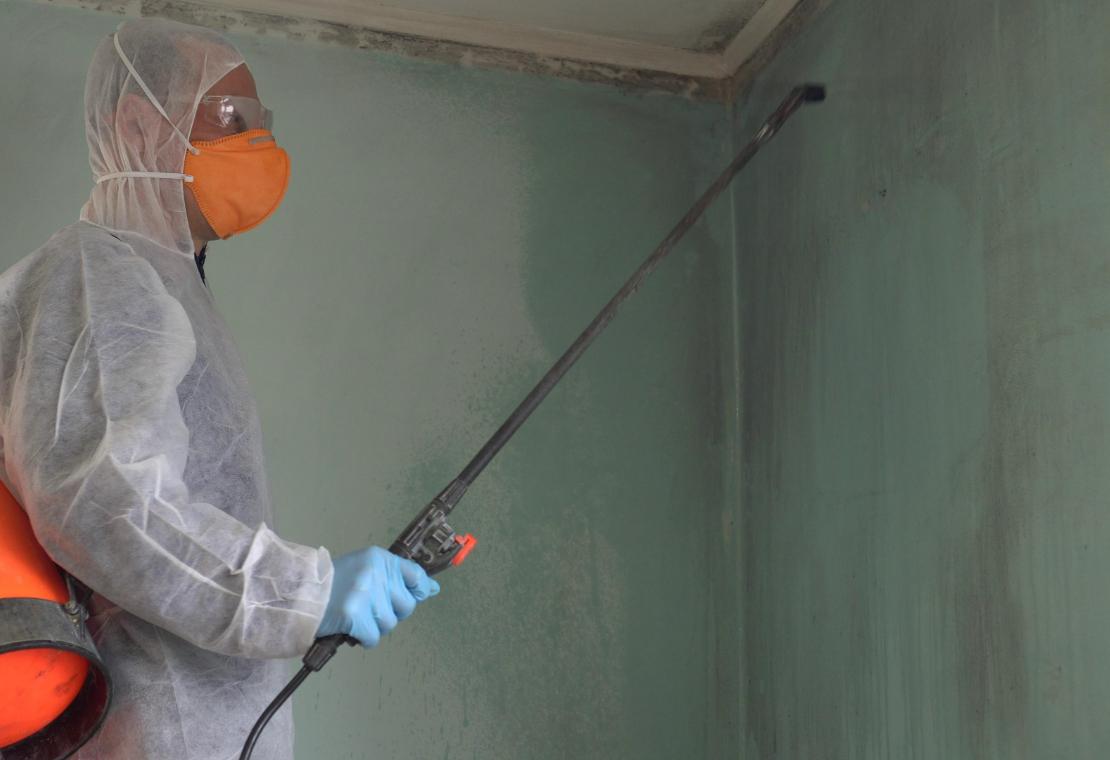
Booking mould cleaning is quick and designed to get results without unnecessary delays.
Share what you’re dealing with, whether it’s visible mould, damp patches, or a recurring problem. This helps determine the right approach, from mould cleaning to full mould remediation.
A specialist checks the affected areas and identifies what’s causing the mould, such as excess moisture, condensation, or poor ventilation. This ensures the issue is treated properly, not just on the surface.
You’ll get a straightforward quote based on the level of contamination and the type of mould removal required. The service is tailored to ensure effective results and long-term protection.
The treatment removes mould and improves indoor air quality, helping to prevent future growth and create a healthier living space. It also targets the root cause of the problem for longer-lasting results.
Mould removal requires more than basic cleaning, which is why it’s handled by trained mould remediation specialists experienced in treating both visible and hidden contamination. Each specialist assesses the full extent of mould growth, including underlying causes such as excess moisture, condensation, and ventilation issues, ensuring the problem is addressed properly rather than just on the surface.
Number of bookings: 298
With Fantastic Services for: 3 years
Other specialities:
Number of bookings: 214
With Fantastic Services for: 3 years
Other specialities:
Number of bookings: 139
With Fantastic Services for: 2 years
Other specialities:
Alongside professional mould removal and mould cleaning, a range of additional property care services is available to help maintain a healthier indoor environment.



Mould can spread quickly and impact both health and property if not treated in time. Book a service today to remove mould, improve indoor air quality, and restore a cleaner and healthier living environment.
A shower fitted into a former bedroom has to keep water inside a construction that was never intended to get wet. Much of N15 is Victorian and Edwardian terraced housing converted into flats, and in those conversions bathrooms were inserted wherever the plan allowed — over a living room, against a party wall, into a corner of a landing, often on a springy timber floor. Where the waterproofing was done with tiles and sealant alone, water leaves the room steadily and grows mould in places nobody associates with a bathroom.
This is the misunderstanding behind most of these failures. Ceramic tiles are impervious, but the grout between them is not: cement-based grout absorbs water and passes it through to whatever lies behind. In a wet area the waterproof layer is supposed to be underneath — a liquid-applied membrane or a sheet system bonded to the board, taped at the internal corners and dressed up from the tray. Tiles are a wearing surface over that membrane, not a substitute for it. Fixed straight onto standard plasterboard with no membrane, they pass water into paper-faced board that softens and colonises within a season or two.
Almost always at a junction. The joint where a tray or bath meets the tiled wall moves every time it is loaded, and a bead of sealant on the face of that joint splits from underneath while still looking sound. A timber floor that deflects under a filled bath breaks the seal in the same way. Waste connections behind a bath panel weep slowly for years without ever producing a visible drip in the room. Screw fixings driven through a membrane for a grab rail or a screen make holes in exactly the wettest zone. And an over-bath shower onto a wall that was only ever intended to take splashes pushes water into the plaster behind. General diagnosis of these cases is described on our main service page.
The mould rarely appears in the bathroom. It shows on the other face of the wall in the adjoining room, in a built-in cupboard backing onto the wet wall, along a skirting in a hallway, or on the ceiling of the flat below in a line that follows the joists rather than sitting under the fitting. In a converted house that ceiling belongs to another household, which turns a small repair into a conversation between two flats. The same pattern in neighbouring streets is covered by the local team.
Both can be present, and the fix is different, so the distinction is made before anything is opened up. Moisture landing on cold surfaces appears on the coldest parts of the room, across the whole area rather than in a line, and worsens after use and in cold weather. An escaping leak produces a defined, persistent patch that does not improve in mild weather and reads high on a meter at depth even when the surface has dried. Filling the tray and leaving it, then re-reading, separates the two in a single visit. Long-term wetness beneath a tray or behind a panel also supports drain flies and other insects, and where they are present, pest control across Seven Sisters deals with them.
The tiling comes off the wet zone, the background is replaced with a board suited to wet areas, and a proper waterproofing system is applied and taken up the wall to above shower head height, dressed into the tray upstand and taped at every corner and change of plane. A decoupling layer is used where the floor moves. The tray is bedded so it cannot flex, the junction is formed as a designed movement joint rather than a smear of silicone, and the sealant goes on last in the right order. Panel removal, board replacement, refitting and making good is covered by handyman specialists in Seven Sisters.
Expect the bathroom unavailable for a few days while the background is renewed and the membrane cures, and expect access to be needed to the adjoining room or the flat below where the staining has come through. Quoting reflects the area of tiling removed, whether the tray or bath is being reset, and how much making good is needed on the far side of the wall. Rooms affected on the other side of the wall usually want a proper clean before furniture goes back, and weekend cleaning services in Tottenham handles that stage.
Skip the line, request and
book a service online