Mould Removal Hornsey
Certified mould removal solutions designed to remove contamination, neutralise spores, and prevent future mould growth.

Certified mould removal solutions designed to remove contamination, neutralise spores, and prevent future mould growth.
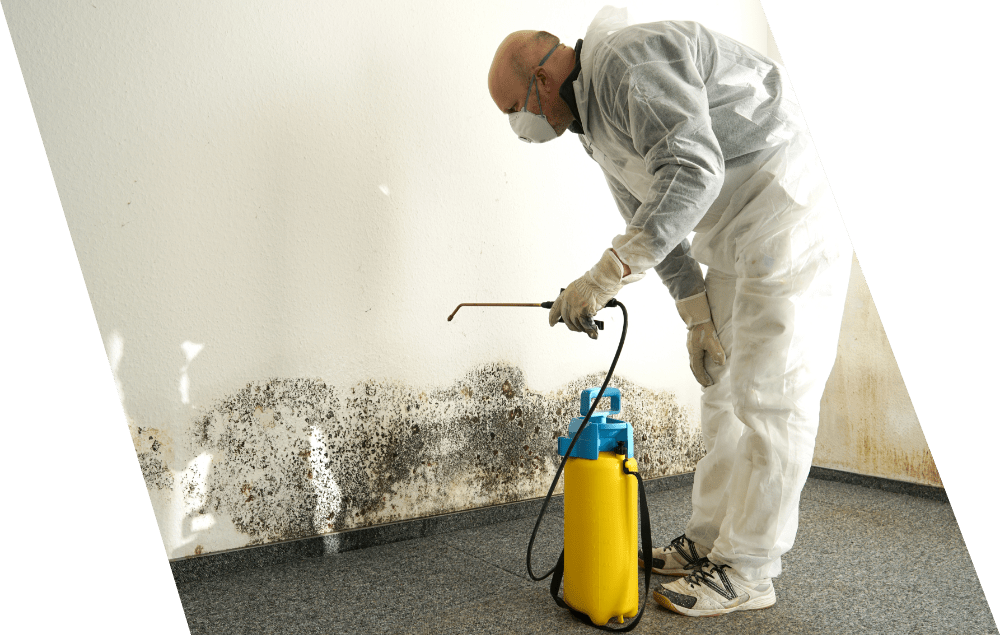
The cost of mould removal depends on the size of the affected area and the type of treatment required. After a detailed inspection a clear, personalised quote is provided based on the scope of work.
| Small mould area (e.g. around a window or corner) | Medium mould area +£100 (large section of a wall affected) | Large mould area +£150 (more than one wall or ceiling) | ||||
|---|---|---|---|---|---|---|
| Room | Standard | Fantastic Club* | Standard | Fantastic Club* | Standard | Fantastic Club* |
| Bedroom | £350 | £320 | £450 | £420 | £500 | £470 |
| Bathroom | £350 | £320 | £450 | £420 | £500 | £470 |
| Kitchen | £350 | £320 | £450 | £420 | £500 | £470 |
| Living / Dining room | £350 | £320 | £450 | £420 | £500 | £470 |
| Hallway / Landing | £350 | £320 | £450 | £420 | £500 | £470 |
| Utility room | £350 | £320 | £450 | £420 | £500 | £470 |
| Paid inspection | £50 | |||||
| *Price for members of the Fantastic Club. The Fantastic Club is a yearly subscription of £89. | ||||||
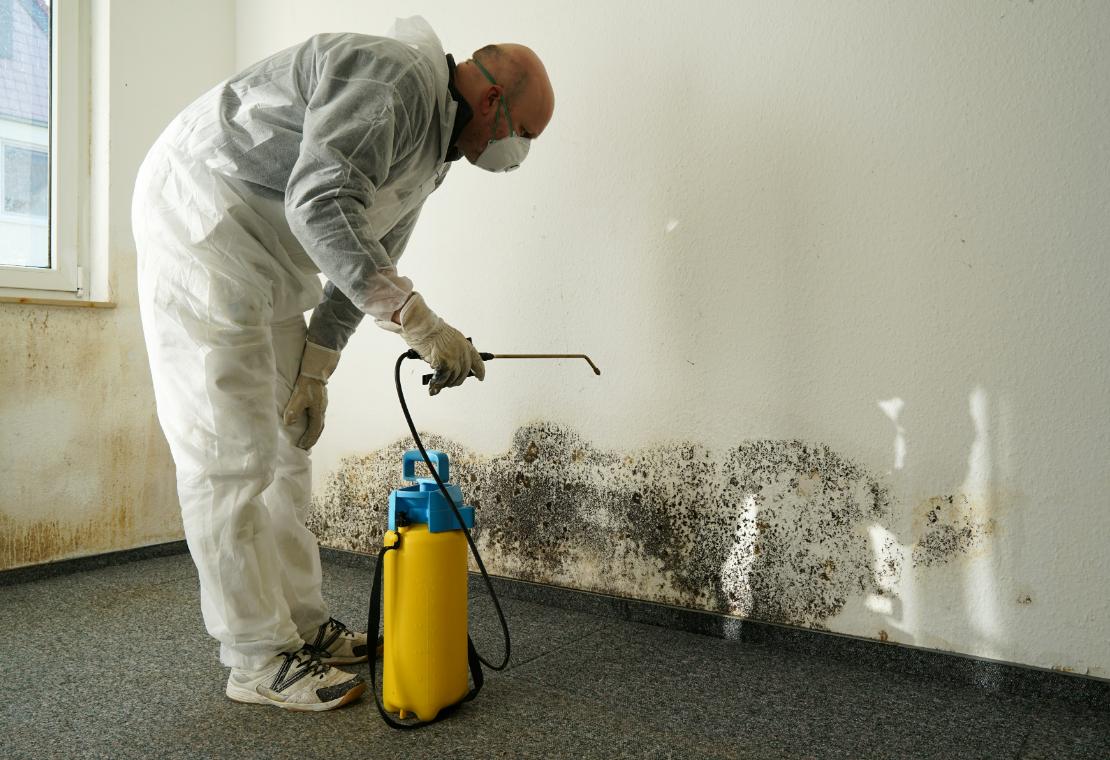
Mould removal in Hornsey is essential for maintaining a healthy living environment. The process involves thorough mould cleaning and mould remediation, focusing on identifying and addressing the root causes of mould growth, such as excess moisture and poor ventilation. Professionals often inspect the area for signs of water damage and assess humidity levels to ensure complete mould removal. By understanding the conditions that lead to mould, they implement effective mould prevention strategies that go beyond just removing visible growth.
During mould remediation in Hornsey, experts utilize specialised equipment to evaluate humidity, ventilation, and any underlying water damage, ensuring a comprehensive approach to mould cleaning. The treatment typically includes deep cleaning of walls, ceilings, and floors while excluding soft furnishings, as they may retain moisture and promote recurrence. The ultimate goal is to restore a moisture balance and control condensation, preventing future mould infestations and ensuring long-term health and safety in your home.
Mould remediation in Hornsey involves a systematic approach to ensuring complete removal and prevention of future infestations. The process begins with a thorough inspection of the affected areas to assess the severity and identify underlying moisture sources. Following this, HEPA air filtration systems are employed to capture airborne spores while controlled treatment is administered to sanitize the surfaces. HOCl treatment is a crucial part of this process, providing a safe and effective solution for mould neutralisation, using hypochlorous acid, which is non-toxic yet powerful against harmful mould spores.
After initial treatments, ULV fogging technology is utilized for an even distribution of the mould-neutralizing solution, ensuring every surface and airspace is treated effectively. Physical mould removal is conducted using professional-grade equipment equipped with H-Class filtration to provide the highest level of protection against residual spores. This comprehensive remediation process concludes with final air cleaning measures that improve the indoor air quality and ensure long-term protection against future mould growth. By prioritising mould removal in Hornsey, you benefit from enhanced air quality, reduced health risks, and stability within your environment, creating a safe and healthy living space.
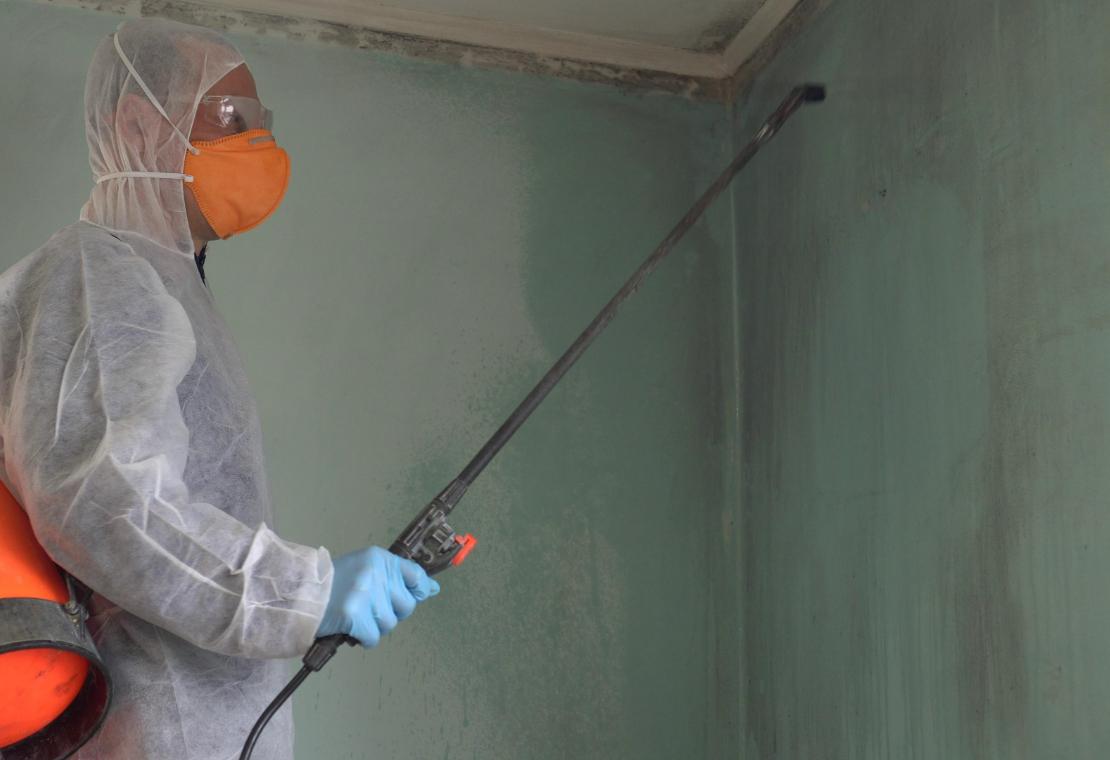
Booking mould cleaning is quick and designed to get results without unnecessary delays.
Share what you’re dealing with, whether it’s visible mould, damp patches, or a recurring problem. This helps determine the right approach, from mould cleaning to full mould remediation.
A specialist checks the affected areas and identifies what’s causing the mould, such as excess moisture, condensation, or poor ventilation. This ensures the issue is treated properly, not just on the surface.
You’ll get a straightforward quote based on the level of contamination and the type of mould removal required. The service is tailored to ensure effective results and long-term protection.
The treatment removes mould and improves indoor air quality, helping to prevent future growth and create a healthier living space. It also targets the root cause of the problem for longer-lasting results.
Mould removal requires more than basic cleaning, which is why it’s handled by trained mould remediation specialists experienced in treating both visible and hidden contamination. Each specialist assesses the full extent of mould growth, including underlying causes such as excess moisture, condensation, and ventilation issues, ensuring the problem is addressed properly rather than just on the surface.
Number of bookings: 214
With Fantastic Services for: 3 years
Other specialities:
Number of bookings: 139
With Fantastic Services for: 2 years
Other specialities:
Number of bookings: 123
With Fantastic Services for: 2 years
Other specialities:
Alongside professional mould removal and mould cleaning, a range of additional property care services is available to help maintain a healthier indoor environment.






Mould can spread quickly and impact both health and property if not treated in time. Book a service today to remove mould, improve indoor air quality, and restore a cleaner and healthier living environment.
Silverfish in a bathroom and tiny pale insects in a kitchen cupboard are usually reported as a pest problem, and they are, but they are also a reading of the building. Both feed on microscopic mould growing on damp surfaces and in stored materials, and neither can sustain a population in a dry home. When they turn up in a Hornsey flat, the useful question is not only how to get rid of them but what has been damp for long enough to feed them.
Booklice, properly psocids, are barely a millimetre long, pale and fast, and they graze on mould films too thin for anybody to notice. They thrive in humid cupboards, on the paper facing of plasterboard, in bags of flour and in stored books and papers. Silverfish need consistently humid conditions and are drawn to starches, including wallpaper paste and the size in old plaster. A population of either means sustained high humidity somewhere close, because both die back quickly when conditions dry out.
Where the insects are found narrows the search considerably. Concentrated in a base cupboard, they point at a waste connection or a cold external wall behind the carcass. Along a skirting line in a hallway, they point at the floor construction or at water tracking from elsewhere. In a bedroom wardrobe on an outside wall, they point at a cold surface with no air movement behind stored clothing. In stored paper and cardboard in a loft or a cupboard, they point at the humidity of the space itself rather than at a leak. A technician who has seen them knows roughly where to open up before any meter comes out.
The relationship works the other way too. Mice and rats prefer nesting material that holds warmth, and they will chew into insulation, board and stored fabric. The nest itself adds moisture and urine to a void, the chewed route lets cold air into a place that was previously still, and the result is a patch of wet, mould-covered material that started as a pest problem and became a damp one. Where droppings, runs or gnawed edges turn up during a mould inspection, that side of the work is handled by trusted cockroach control in Hornsey before anything is sealed back up, because closing a void with an active population inside it creates a worse problem than the one being fixed.
The two jobs interlock and the order matters. Live infestation is controlled first, because treatment and removal disturb voids and push insects and rodents into other parts of the property. Then the food source goes: growth is removed, affected porous material is taken out rather than washed, and the space is dried, which is the step that actually prevents a return. Finally, the routes are closed and the surfaces reinstated. A property that is dried properly rarely needs repeat pest visits for these particular species, because there is nothing left for them to eat.
N8 mixes Victorian and Edwardian terraces, later infill housing and a number of converted commercial and light industrial buildings turned into flats. The conversions are the ones that most often produce this combination, because they contain long service routes, boxed-in pipework, suspended ceilings and voids that nobody has opened since the conversion. Terraced housing produces it in the older parts of the structure, particularly where an extension has enclosed what used to be an external wall and left a sealed cavity nobody remembers.
An inspection of this kind includes the cupboards and voids where the insects were found rather than just the rooms with visible growth, so emptying base units and clearing a cupboard fully makes a real difference to what can be seen in one visit. Keeping a few of the insects, even in a jar, helps with identification. Charges cover the survey, the area of growth treated and any material removed, and pest treatment is quoted separately because it is a different piece of work. The full remediation sequence is described under professional mould remediation, laundering and cleaning affected contents is the kind of task cleaning services for rented homes in Haringey handles, refitting units and boxing afterwards is a job for Hornsey odd jobs, and trusted mould removal in Crouch End covers the same interaction in the housing just up the hill.
Skip the line, request and
book a service online