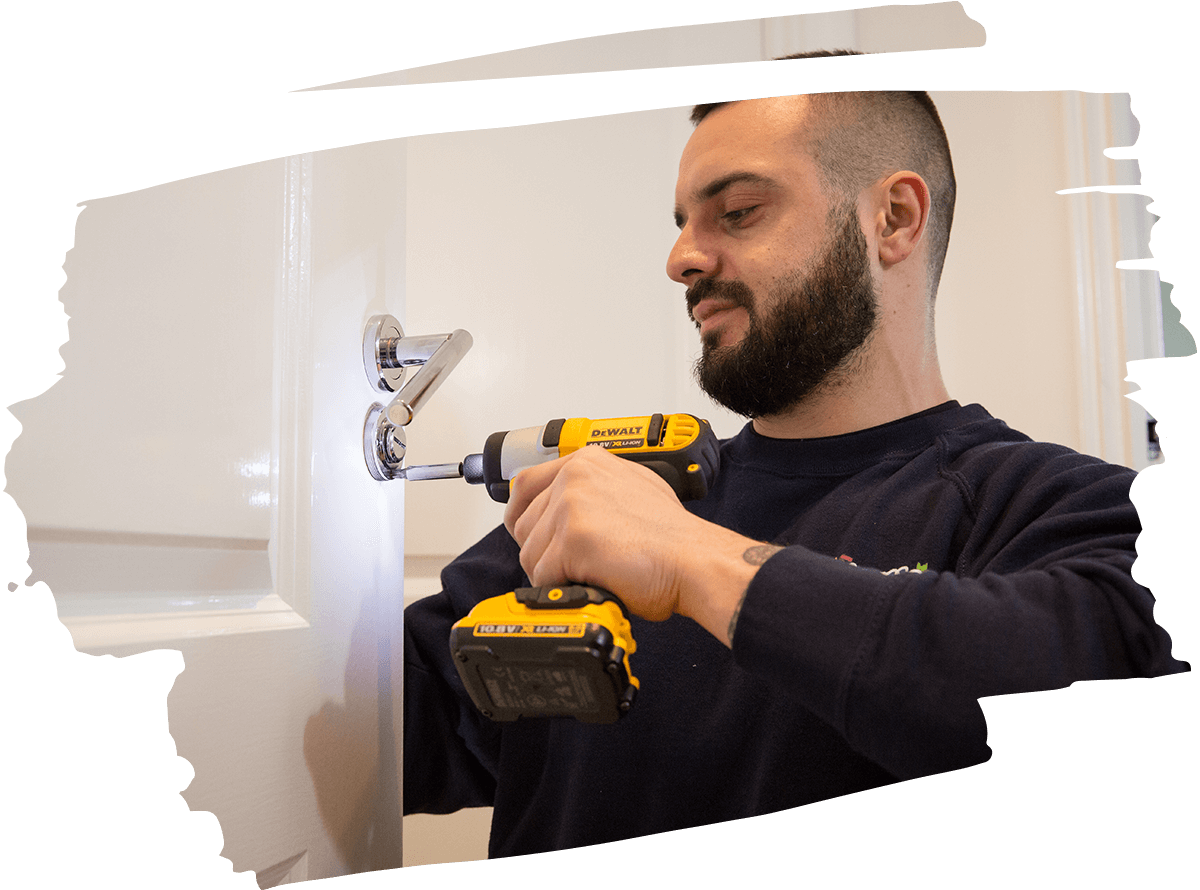
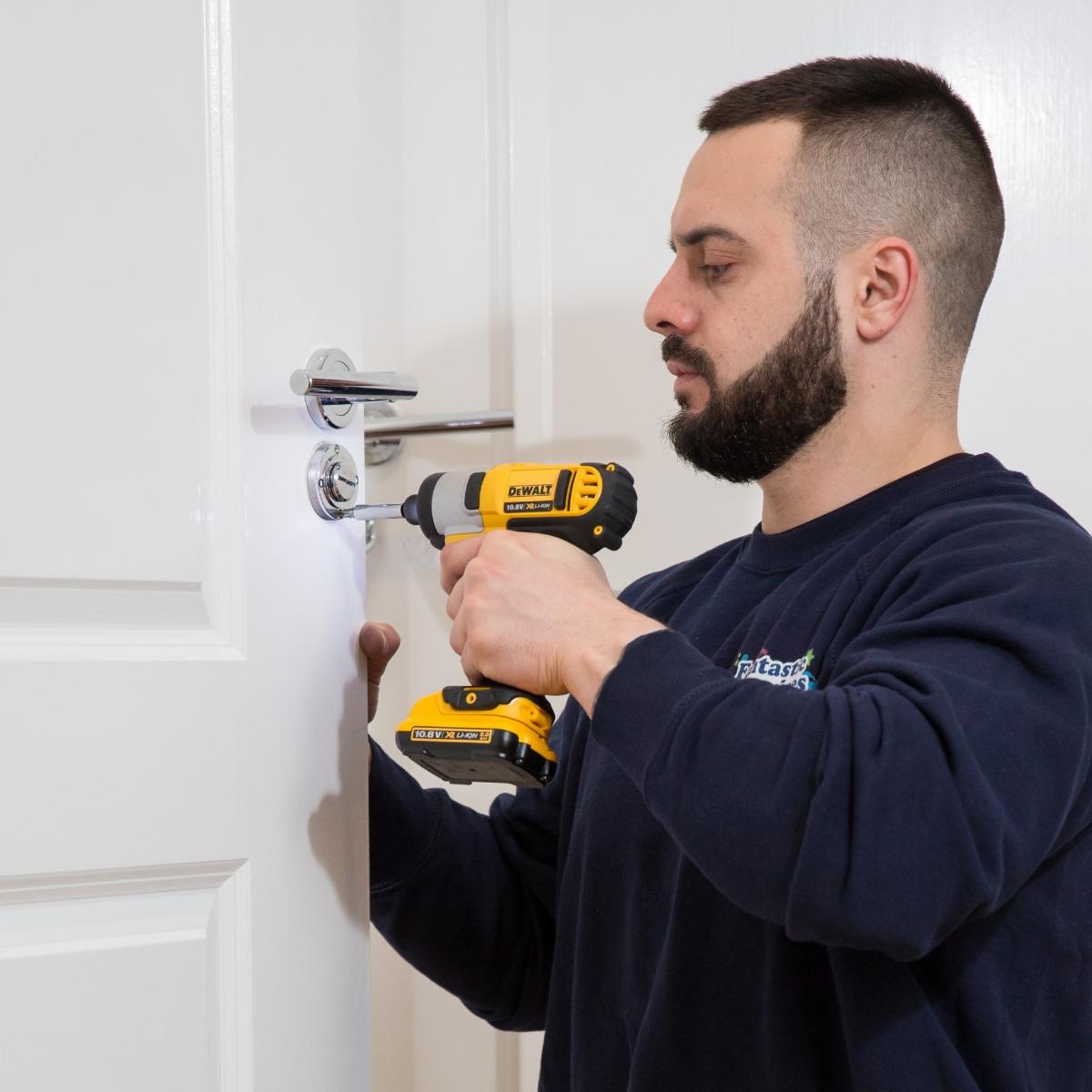
When you need a locksmith in Chelsea right away, it is usually because a door has stopped behaving as it should. You might be locked out of a house or flat, dealing with a snapped key, or trying to force a jammed lock after the cylinder has started failing. A door that will not lock properly is also a common reason to call. These issues need quick, practical help. Lockout assistance, broken key extraction, lock repair, lock replacement and lock change services are used to deal with the fault at the source. A locksmith can inspect the lock, check the key, test the alignment of the door, and decide whether the mechanism can be repaired or should be replaced. If keys are lost or stolen, emergency door entry may be needed before the lock is updated. The goal is to resolve the immediate access problem and leave the door working securely again.
People also arrange locksmith work in Chelsea for planned improvements and property management needs. That may mean new lock installation for a front or rear door, upgraded security for vulnerable entrances, or fitting British Standard BS3621 locks where insurance rules or property standards call for them. Landlords often request lock changes between occupancies, and rental properties may need fresh cylinders or extra sets of keys. Shops, offices, schools and healthcare premises also depend on reliable lock systems for everyday use and controlled entry. You can arrange an appointment online or by phone, then get information about the expected work and price before deciding how to proceed. That makes it easier to compare options, plan the visit and handle the job with fewer delays, whether it is a single home or a larger commercial site.