Exposure is the variable that gets overlooked in EN5. Chipping Barnet sits along a high ridge, one of the higher points in the London basin, and a wall on that ridge takes far more driven rain than the same wall would two miles down the hill. Rain falling vertically barely wets brickwork. Rain driven horizontally at a solid wall for thirty-six hours soaks it, and on the south-western elevations here that happens several times a winter.
Growth that keeps time with the weather
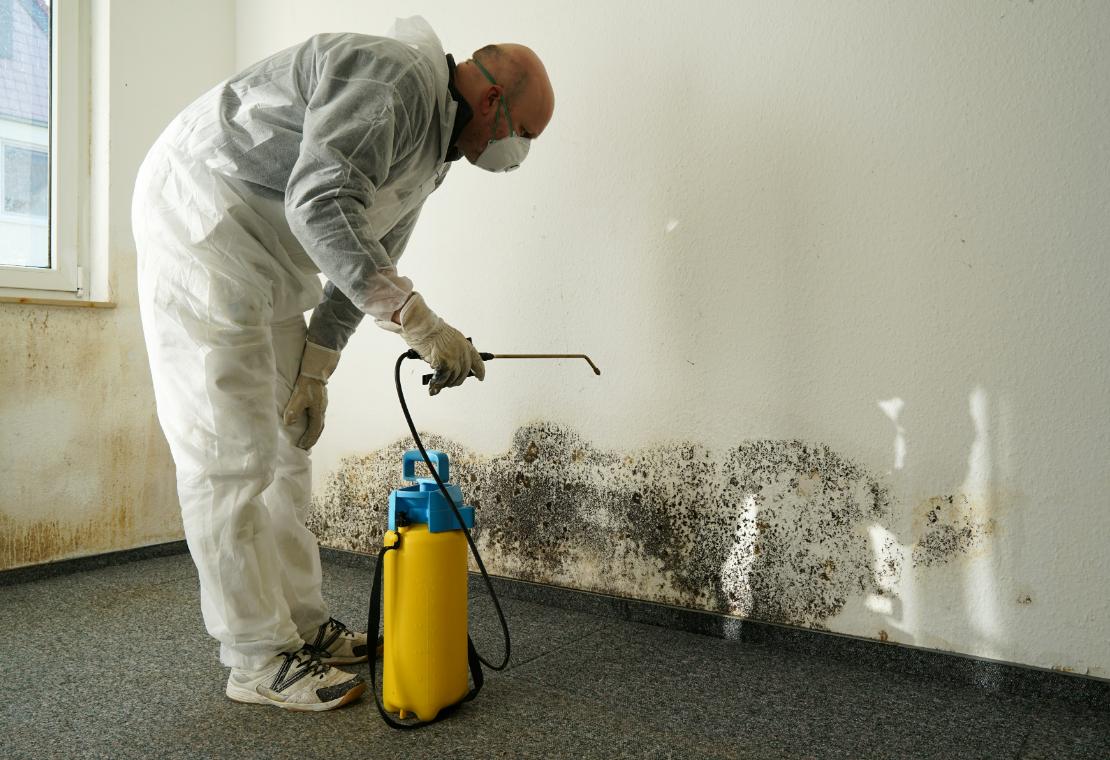
The pattern is what identifies it. Staining appears two or three days after a prolonged storm from one particular direction, dries back over the following fortnight, and returns on the same wall each time. It is not tied to bathrooms or kitchens, it does not follow a cold corner, and it does not respond to better ventilation, which is why householders who have already fitted a stronger extractor are often the ones who call. The affected face is almost always the elevation with the least shelter.
Render that traps instead of shedding
A great deal of the stock here carries pebbledash or a later cement render over solid brick. Sound render sheds water. Cracked render does the opposite: rain enters through hairline fractures, spreads across the interface between render and brick where it cannot evaporate, and emerges indoors somewhere unrelated to where it went in. Tapping the surface tells you a lot - a hollow note means the render has lost its key and water is running behind it. Patching over a debonded area seals the moisture in. The affected panels have to come off back to sound brick and be rebuilt in a mix no stronger than the masonry behind it.
Pointing, sills and the small details that let water in
On unrendered elevations the weak points are predictable and individually minor. Mortar joints eroded back so rainwater sits in the recess. A sill with no drip groove, or a drip groove blocked by paint, so water runs back under the frame. A missing or reversed cover flashing at a bay roof. Bricks that have spalled and now hold water in an open face. None of these produces a dramatic leak; together, on an exposed wall in a wet winter, they put enough water into the fabric to sustain growth on the inside face for months.
Repairing the outside before treating the inside
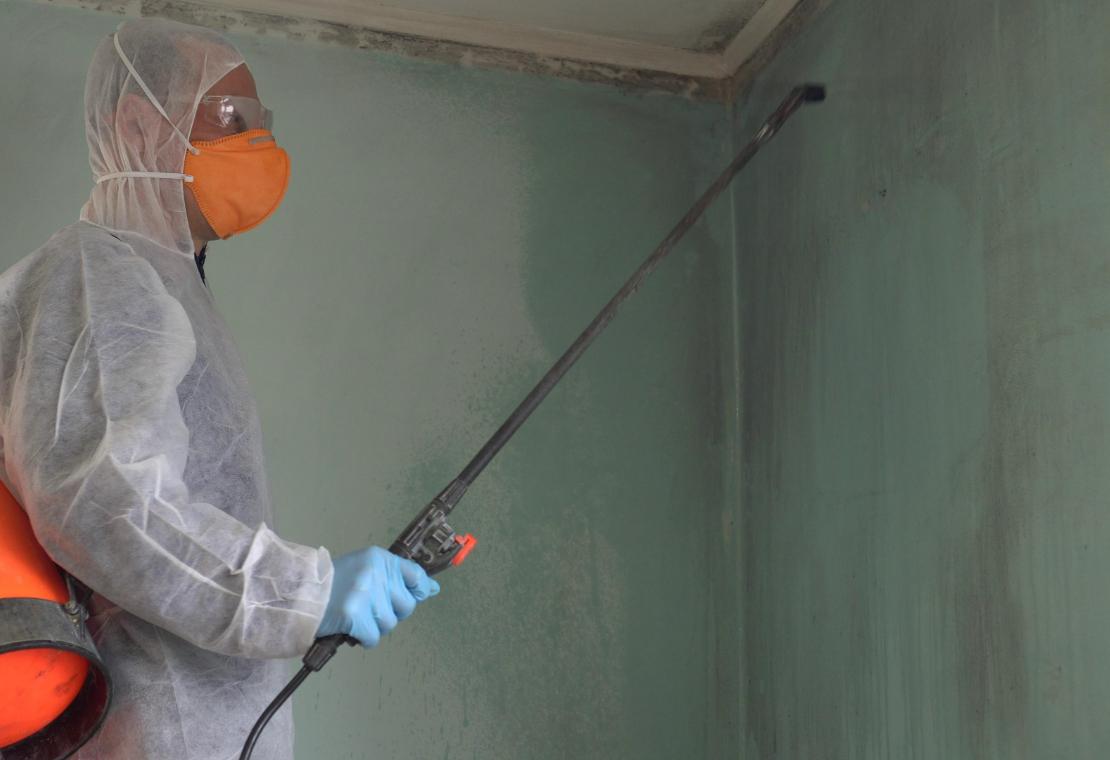
Order matters here more than method. Repointing in a lime-based mortar, recasting failed render panels, renewing flashings and clearing high-level gutters all happen before internal treatment, because there is no sense treating plaster that is still being fed. Where the whole elevation needs re-rendering, the wall then wants a drying season before replastering. handyman throughout Barnet covers the access work, gutter and flashing repairs and the making good afterwards, and coordinating it with a scaffold or tower already in place keeps the job to one visit rather than three.
The other occupants of a wet wall
Water behind render is the condition that ivy, moss and algae thrive on, and a dense growth of climber holds the wall permanently wet while its stems work into open joints. Cavities behind loose render and gaps at eaves level on these older houses are also where wasps and, in autumn, mice establish themselves. Where an inspection turns up nesting or runs, pest control team in Barnet clears and proofs it while the elevation is accessible, which is much cheaper than returning once the scaffold has gone.
Coverage on the same ridge
The exposure that drives this problem does not stop at the district boundary; the same westerly run of high ground continues out past the edge of the built-up area, and mould removal specialists in Arkley deals with the identical failure on older detached stock. Method, the drying standards applied before replastering, and guarantee terms are on mould removal and remediation services nationwide.
What a wet-weather inspection needs
An inspection of this kind is more informative during or shortly after rain than in a dry week, and appointments are arranged accordingly where the complaint is intermittent. The surveyor works the elevation from outside as well as in - render sounded, joints probed, sills and flashings examined, gutters checked for overflow marks - and takes internal readings at matched points on affected and unaffected walls. Quotations separate external repair, which is priced by area and access, from internal remediation, which is priced by the extent of plaster involved. Rooms disturbed by hacking off and replastering usually want a full clean afterwards, and Cockfosters domestic cleaning service handles that stage.