Mould Removal and Remediation Services in Whetstone
Professional mould treatment specialists removing contamination at the source and restoring safe, healthy indoor spaces.

Professional mould treatment specialists removing contamination at the source and restoring safe, healthy indoor spaces.

The cost of mould removal depends on the size of the affected area and the type of treatment required. After a detailed inspection a clear, personalised quote is provided based on the scope of work.
| Small mould area (e.g. around a window or corner) | Medium mould area +£100 (large section of a wall affected) | Large mould area +£150 (more than one wall or ceiling) | ||||
|---|---|---|---|---|---|---|
| Room | Standard | Fantastic Club* | Standard | Fantastic Club* | Standard | Fantastic Club* |
| Bedroom | £350 | £320 | £450 | £420 | £500 | £470 |
| Bathroom | £350 | £320 | £450 | £420 | £500 | £470 |
| Kitchen | £350 | £320 | £450 | £420 | £500 | £470 |
| Living / Dining room | £350 | £320 | £450 | £420 | £500 | £470 |
| Hallway / Landing | £350 | £320 | £450 | £420 | £500 | £470 |
| Utility room | £350 | £320 | £450 | £420 | £500 | £470 |
| Paid inspection | £50 | |||||
| *Price for members of the Fantastic Club. The Fantastic Club is a yearly subscription of £89. | ||||||
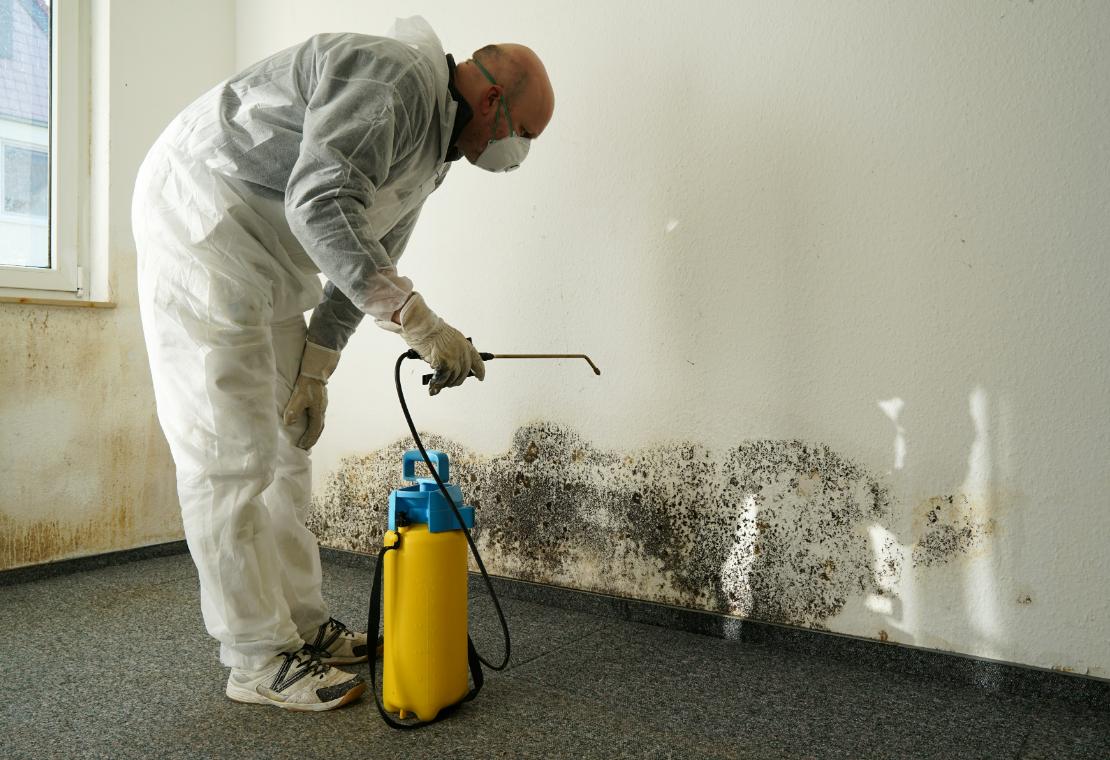
For reliable mould removal near Whetstone, our team of local mould specialists begins with a complete inspection and moisture assessment to accurately identify the source of moisture issues that contribute to mould growth, such as condensation, damp conditions, or water leaks. Our mould cleaning service in Whetstone is dedicated to treating structural surfaces like walls, ceilings, and floors, which are vital areas prone to mould. It's important to note that soft furnishings are not included in our service offerings.
Choosing our mould remediation services in Whetstone means enhancing not only the aesthetic appeal of your space but also your indoor air quality. Our advanced techniques leverage HEPA filtration systems to absorb airborne mould spores, utilise HOCl (Hypochlorous Acid) for effective disinfection, and apply ULV fogging technology to ensure that no area is left untreated. This method provides deep cleaning and lasting protection against mould, reducing health risks and extending the life of your property.
Initiating mould remediation in Whetstone involves a meticulous inspection and moisture assessment by local specialists using professional equipment to detect moisture levels accurately. Identifying excess moisture is essential for preventing future mould problems. To safeguard air quality, HEPA filtration systems and air scrubbers are utilized, effectively capturing airborne mould spores and ensuring a secure environment during treatment.
Continuing the process, professionals apply Hypochlorous Acid (HOCl), a potent non-toxic solution that neutralizes mould, bacteria, and mycotoxins at a molecular scale. They deploy Ultra-Low Volume (ULV) fogging technology, allowing for expansive coverage needed to address hidden mould in corners and cracks. Controlled physical mould removal is conducted with high-performance equipment featuring H-Class filtration to safely contain pollutants. Concluding actions focus on final air purification and long-term preventive measures, ultimately enhancing indoor air quality and lowering the risk of future mould emergence in Whetstone.
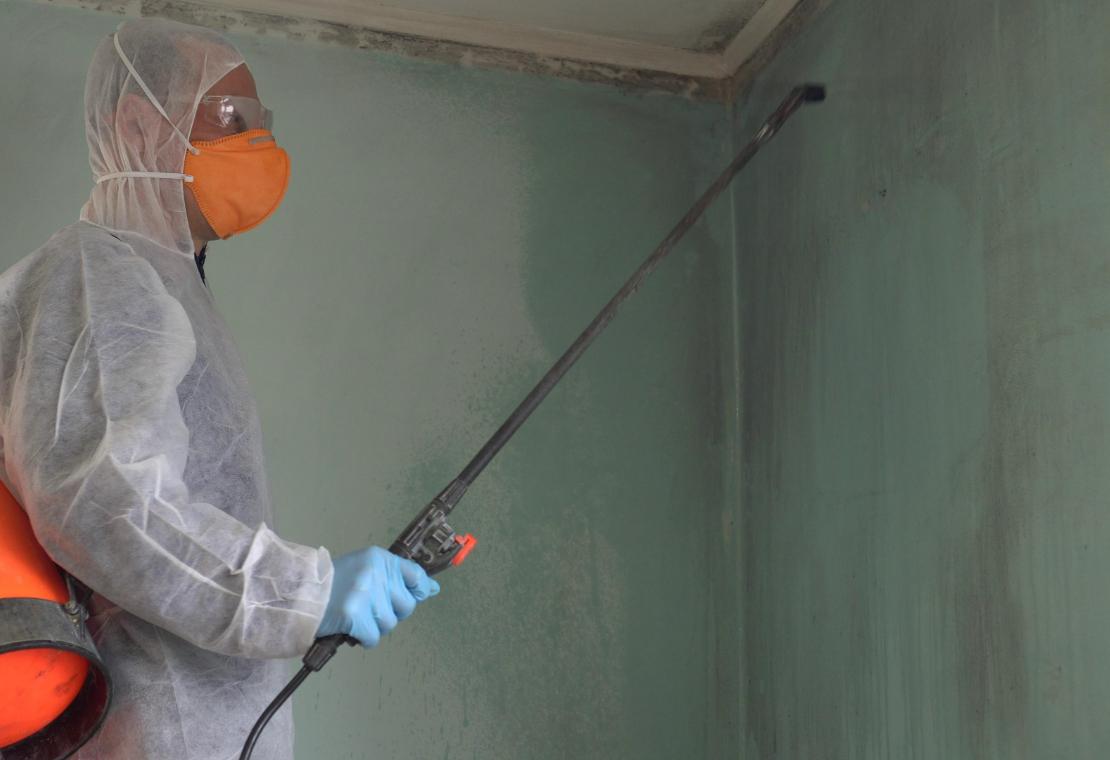
Booking mould cleaning is quick and designed to get results without unnecessary delays.
Share what you’re dealing with, whether it’s visible mould, damp patches, or a recurring problem. This helps determine the right approach, from mould cleaning to full mould remediation.
A specialist checks the affected areas and identifies what’s causing the mould, such as excess moisture, condensation, or poor ventilation. This ensures the issue is treated properly, not just on the surface.
You’ll get a straightforward quote based on the level of contamination and the type of mould removal required. The service is tailored to ensure effective results and long-term protection.
The treatment removes mould and improves indoor air quality, helping to prevent future growth and create a healthier living space. It also targets the root cause of the problem for longer-lasting results.
Mould removal requires more than basic cleaning, which is why it’s handled by trained mould remediation specialists experienced in treating both visible and hidden contamination. Each specialist assesses the full extent of mould growth, including underlying causes such as excess moisture, condensation, and ventilation issues, ensuring the problem is addressed properly rather than just on the surface.
Number of bookings: 8301
With Fantastic Services for: 6 years
Other specialities:
What the reviews say
"Quick and effective rodent control service. Their timely response and efficient methods resolved the problem with expertise."
Number of bookings: 214
With Fantastic Services for: 3 years
Other specialities:
Number of bookings: 205
With Fantastic Services for: 3 years
Other specialities:
Alongside professional mould removal and mould cleaning, a range of additional property care services is available to help maintain a healthier indoor environment.
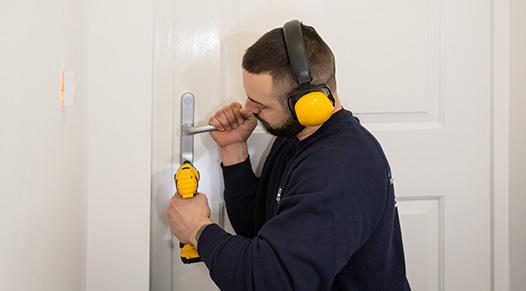







Mould can spread quickly and impact both health and property if not treated in time. Book a service today to remove mould, improve indoor air quality, and restore a cleaner and healthier living environment.
Pull out the base unit beside a kitchen sink and you get a short history of the room's moisture. Swollen chipboard at the back of the carcase, a dark bloom on the wall behind, a tide mark up the plinth and a faint smell that had been blamed on the bin. Kitchens are the wettest rooms in most houses by a wide margin, and in N20 — interwar semis and terraces, a great many with the kitchen extended across the back and the units run along an external wall — they account for a large share of the mould found downstairs.
Several small faults collect in one cupboard. The worktop cut-out around a sink or a tap, sealed once on installation, opens up as the joint moves and lets water into the board below. A slow weep at a trap or a washing machine connection wets the cupboard floor without ever pooling. The cupboard itself is closed, unheated and pressed against an outside wall, so nothing dries. Chipboard carcases and worktops absorb water readily and hold it, and once the board has swollen it never recovers. Service pipes entering through the back of that cupboard are also the classic entry route for mice, and where gnawing or droppings are found there, trusted cockroach control in Whetstone deals with it.
This catches out a great many households. A cooker hood fitted with charcoal filters and no duct to outside recycles the air through the room: it takes out grease and odour and returns every gram of water vapour to the kitchen. Boiling a pan of anything for twenty minutes under such a hood puts that moisture straight back into the space. A ducted hood, taken out through the wall by the shortest practical route in rigid ducting, removes it from the building. In an extended kitchen where the hob has ended up on an internal island a long way from an outside wall, that duct run is the thing most often dropped from the design. Background on wet-room extraction sits on our mould removal and remediation team.
A vented dryer discharging through a hose out of a window is fine until the window is shut, at which point it becomes a machine that pumps warm, saturated air into a closed room. Condenser dryers collect most of their water but release warmth and some vapour, and a heat pump model releases least. Where a dryer sits in a utility space or a cupboard with no extract, the moisture it produces has to be removed by something, and a permanently ducted outlet or a continuous extract is the only reliable answer. Similar problems in the neighbouring streets are covered by our local team.
A continuous row of base units against a cold external wall creates a sealed strip of unventilated space the length of the kitchen, and the plinth traps a pocket of still, cold air beneath it. Plaster behind the units is often left unfinished, so there is nothing sound to treat. The remedy is to give that space some air: a ventilated plinth, a gap left behind the carcases rather than sealing them to the wall, and the wall itself treated and finished before the units go back rather than hidden behind them.
A boiler in a closed cupboard needs air, and a condensate line run externally in small-bore pipe is a common source of both freezing and slow leaks. Cupboards housing a boiler alongside stored cleaning materials and a laundry basket combine warmth, moisture and still air, and mould appears on the cupboard walls rather than in the room. Ventilating the cupboard, relocating a condensate route and making good is covered by Whetstone handyman service.
Where units have to come out, the kitchen is out of use for a short period, so the sequence is agreed in advance: units out, appliances disconnected, plumbing repairs done, wall treated and finished, then everything reinstated. Pricing reflects the number of units removed and refitted and whether any plumbing or extraction work is needed, rather than the floor area of the room. Appliances and cupboards that have had mould behind them benefit from a proper clean before food is stored in them again, and a local professional covers that.
Skip the line, request and
book a service online