The garden is the last thing a developer builds and the first thing to give the game away. A new plot in W5 is usually handed over looking finished: level turf, a paved area, a fence and perhaps a narrow bed along one side. Two summers later the grass is thin and yellow in patches, water stands on it after every shower, and the shrubs planted in the first autumn have not put on a centimetre. None of that is bad luck. It is what happens when a garden is laid over ground that was driven on by machinery for eighteen months.
What is actually underneath the turf
The usual specification is a skim of imported topsoil, often no deeper than a hand's span, spread over subsoil that has been compacted by plant and stacked material until it is effectively a floor. Mixed into it are the ordinary leavings of a site: mortar droppings, brick fragments, lumps of plaster, sand, timber offcuts and lengths of banding. The turf roots into the skim, reaches the pan beneath and stops, which is why the same plot can look perfect in its first spring and fail in its second summer.
Finding out before anything is spent
Three or four holes dug across the plot with a fork answers most of the question in half an hour. Where the fork stops dead at a uniform depth, that is the pan. Where the spoil comes out grey, smeared and full of building debris, the topsoil is nominal. The result is rarely uniform: ground where the site compound or a crane pad stood is usually far worse than the rest. Older gardens on the far side of the district face a quite different set of problems and are covered by our team in the area.
Rebuilding a profile rather than dressing it
Breaking the pan is the whole job and it cannot be done with a rotavator, which chops the top layer and polishes the surface beneath it into something harder than it started. The pan is lifted, by hand on a small plot or with a machine that works like a fork rather than a blade, organic matter is worked into the broken ground, and topsoil is brought up to a genuine depth on top of that. The rubble and buried debris that comes out is not green waste and leaves in a vehicle, in the way the service in full shifts a bulky load.
Turf that never knitted
Turf laid onto an unprepared base shrinks at the joints within weeks, and the gaps that open are the visible symptom rather than the fault. Lift a corner and the roots have run along the seam instead of down through it. Once the base is right, the choice between relaying and seeding is mostly one of season and patience.
Levels, the damp course and where water goes
New gardens are frequently handed over with the ground close to the damp proof course, and any bed built up against a wall afterwards takes it above that line, which causes a problem indoors rather than outside. Falls matter too: a large paved area draining into one small planted corner will drown whatever is put there. Both are settled before planting rather than after. Paving handed over under a film of cement haze and mortar smear needs proper treatment to come clean, which is work for affordable pressure washing services in Ealing rather than a scrubbing brush.
Planting a bare plot in the right order
Structure goes in first: screening where it is needed, a few plants that will eventually be big, the hedge line, and detail afterwards. Buying maturity is a poor trade, because a large specimen dropped into made ground sulks for years while a smaller one planted into a properly prepared pit overtakes it. Tree pits in this sort of ground are dug wide rather than deep and the sides are broken up so they do not act as a sump. Part-built surroundings bring their own problem, since open ground, stacked materials and unoccupied plots next door give rodents and foxes ideal cover, and dealing with that is a matter for trusted wasp nest removal in Ealing.
How a new-build garden is taken on
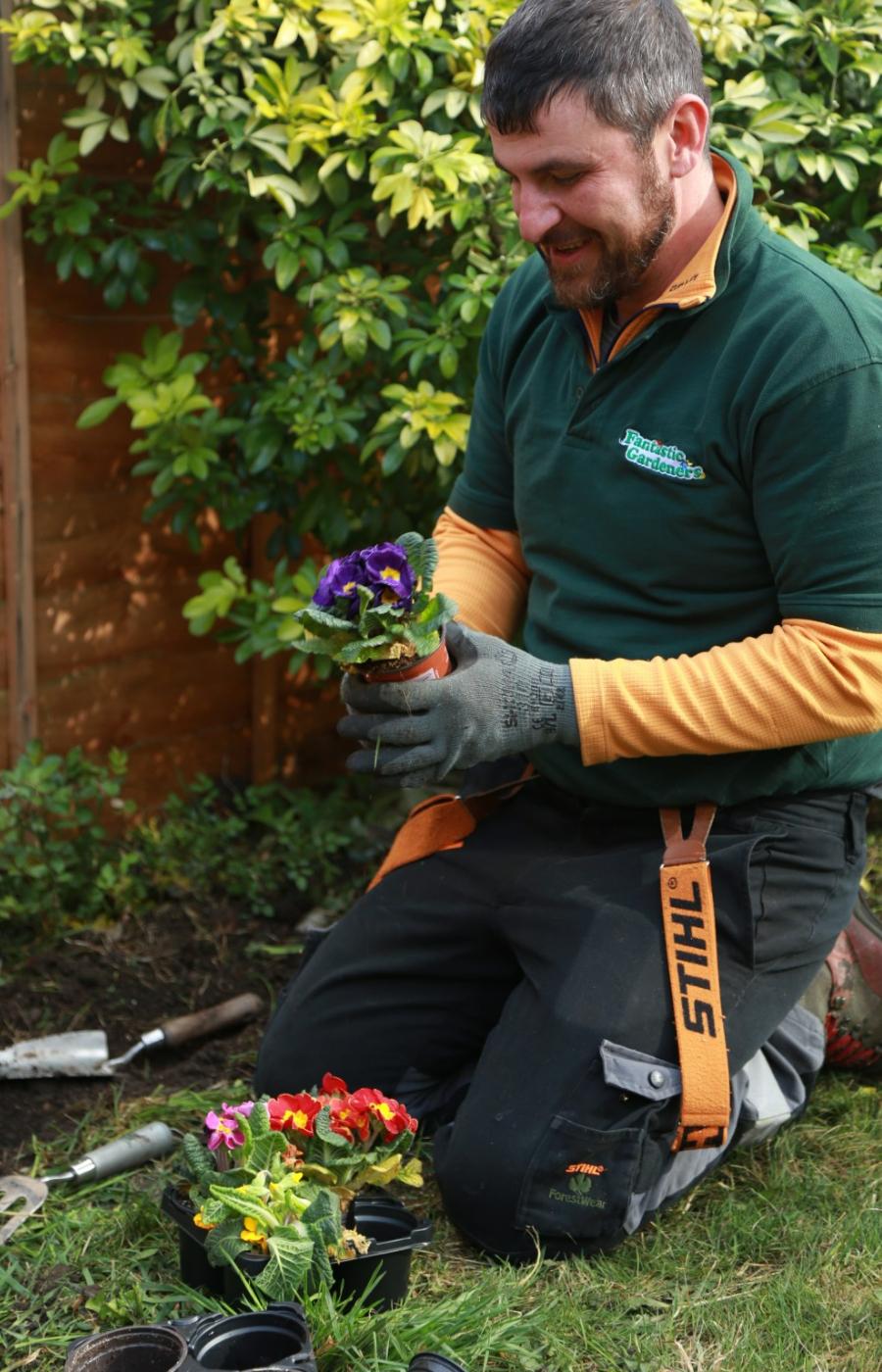
Ground works of this kind are quoted as a project after someone has dug holes on site, because what is under the turf decides everything that follows, and the cost sits in the preparation rather than in the planting. It is worth checking what the developer's warranty covers and what was specified for the garden before commissioning anything, since drainage and soil depth are sometimes within it. Afterwards the plot moves onto a routine footing, and how that is arranged is set out at our garden maintenance service.