There are two kinds of deposit in a bathroom and they want opposite chemistry. One is organic — soap, skin oils, shampoo residue, the film on a bath panel — and it yields to alkaline detergent and dwell time. The other is mineral, calcium carbonate left behind as water evaporated, and no alkaline product on earth will shift a milligram of it. Reaching for the same bottle for both is why so many W6 tenants scrub for an evening and change almost nothing.
Descaling without wrecking the fitting underneath
An acid descaler dissolves scale, and given the chance it will also attack the surface it is sitting on. Chrome and vitreous ceramic tolerate a controlled dwell followed by a genuine rinse. Natural stone, plated antique-style brassware, aluminium trims and anything with a coloured coating do not. Scale on a shower head responds to immersion rather than spraying, since the blockage is inside the jets. Where a fitting comes apart, dismantling beats chemistry every time.
Glass that has been left too long
A shower screen goes through three stages. Fresh scale wipes off. Established scale needs acid and a soft pad. Beyond that, the mineral has bonded into the microscopic surface of the glass and etched it, and no product will restore the clarity, because the glass itself has changed. That distinction matters at check-out: a clerk who understands it records an etched screen as wear rather than as dirt, and a cleaner who pretends otherwise simply burns time on an outcome nobody can reach.
Grout, sealant and the line between cleaning and renewal
Discoloured grout usually lightens considerably with a mildly acidic product and a stiff brush worked along the joint. Silicone sealant is a different case: once mould has grown through the full depth of the bead it is inside the material, and bleaching the surface returns the black within days. Cutting the old bead out and replacing it is the honest answer, and it is a repair rather than a clean, which is a distinction worth raising with a landlord before the check-out rather than after it.
Extract fans, ceilings and the humidity behind them
Many Hammersmith bathrooms sit in the middle of converted terraces without an external window, relying entirely on a fan. The cover unclips and washes; the impeller behind it gathers a grey felt that halves the airflow and is almost never touched. Speckling along the ceiling line is the consequence and it is a ventilation problem wearing a cleaning problem's clothes. Removing what is superficial and reporting what is not is more use to everybody than a coat of bleach.
Outside surfaces and the front of the building
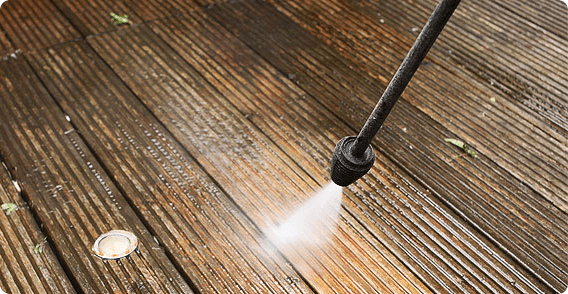
Steps, basement stairwells and tiled thresholds in this stock hold algae through the darker months and are not a mop job. Machine cleaning of that kind, as carried out on comparable frontages through pressure washing services in Marylebone, is a separate trade with separate equipment and is worth arranging ahead of a check-out rather than in the same week.
Everything beyond the bathroom door
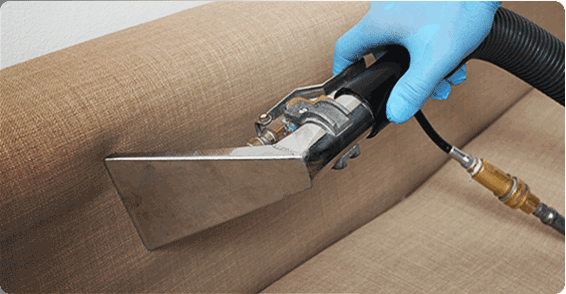
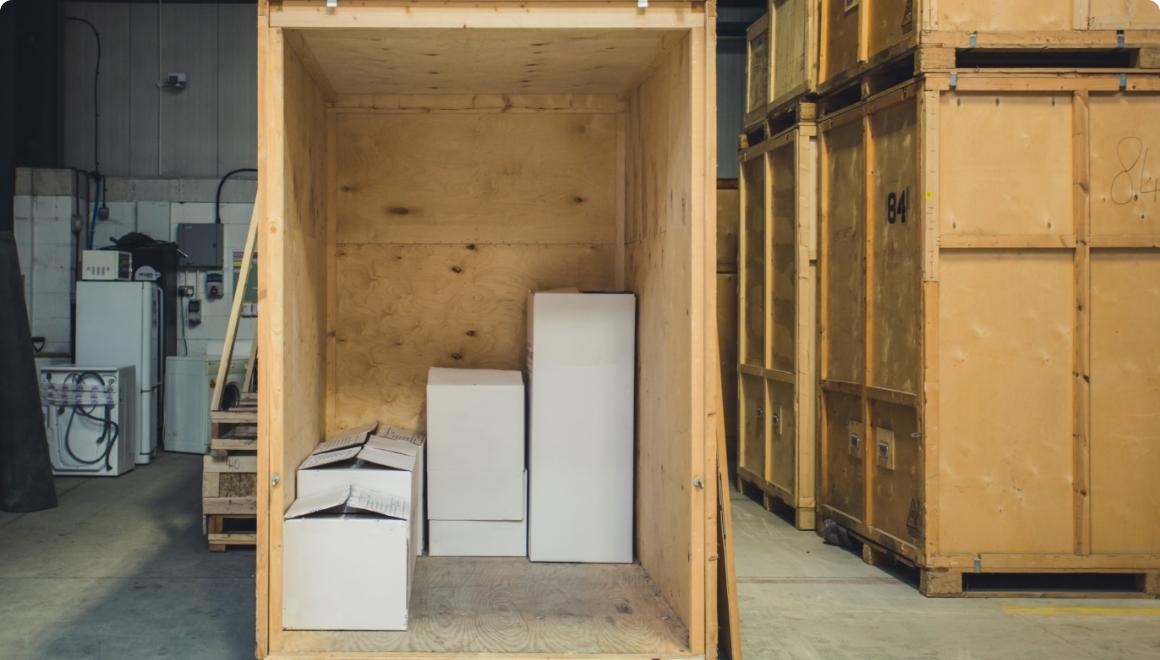
A handover specification covers the whole property, and carpeted rooms need extraction rather than vacuuming to lift the traffic lane, which is described under our team in the area. Moving a household out of a converted flat with a shared staircase is planned work handled by Hammersmith office relocation, a part load suits the man and van team in West London, and a move further out along the Uxbridge Road is the sort of job Ealing house removals covers.
Booking, access and preparation
Pricing reflects the number of bathrooms as much as the number of bedrooms, because a second shower room adds real time. Hot water and power must be live, the flat empty, and any known leak or dripping overflow mentioned in advance so the team is not descaling into a wet surface all morning. Comparable arrangements across the wider district are set out on trusted check-out cleaning in West London, and the full scope is on professional deposit-back cleaning.