An inventory for a furnished flat in SW6 runs to a great many more lines than the flat itself suggests. Alongside the fabric of the property it lists crockery, glassware, cutlery, pans, bed linen, lampshades, cushions and the contents of every cupboard, each with a description and a photograph. Returning the property means returning all of it, clean, complete and in the place it was recorded, and that is a different exercise from wiping down surfaces.
Cupboard interiors are surfaces too
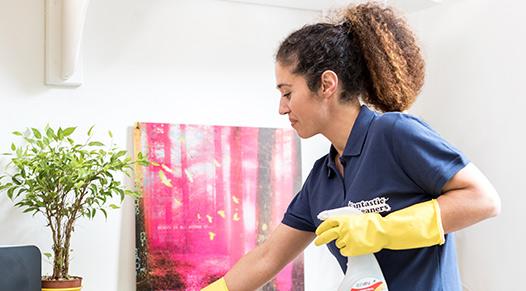
A cupboard emptied for the first time in two years reveals crumbs in the corner joints, a sticky ring where a bottle stood, and shelf edges with a grey line along them. Each shelf is taken out where it lifts, washed and dried before anything goes back, and the carcass sides, the underside of the shelf above and the inside face of the door are done as separate surfaces. Drawer runners collect grit that stops them closing smoothly, which reads as a fault rather than as dirt.
Glassware, china and the things that go back in
Items that have sat unused behind a closed door acquire a film that is obvious under a light. Glassware clouded by hard water is washed by hand and dried with a lint-free cloth rather than drained; china stacked without protection acquires grey scuff lines from the piece above; and pans left in a low cupboard collect kitchen grease from the air. Everything goes back dry and in the arrangement shown in the check-in photographs, because a clerk checks quantity as well as condition.
Wardrobes, drawers and soft storage
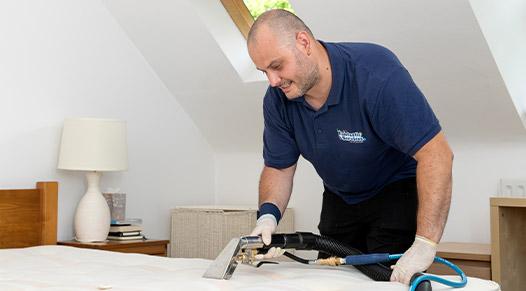
Bedroom furniture holds fibre, dust and, in a flat near a busy road, a fine dark deposit. Wardrobe bases and the top of the carcass are vacuumed then wiped; hanging rails are cleaned along their length; and mirrored doors are done last so nothing is spotted. Fitted carpet beneath the furniture is a separate job with its own drying time, which is what Fulham carpet cleaning specialists covers. Any lingering smell from a wardrobe on an external wall usually means condensation rather than the contents, and it is flagged rather than sprayed.
Counting against the inventory
Breakages happen over a tenancy, and replacing like for like in advance is cheaper than leaving a clerk to find a shortfall. A missing wine glass is a minor line; a missing set is not. Items moved between rooms - a chair taken from a dining set to a bedroom - should be returned to where they were recorded. Anything belonging to the tenant has to leave first, and a modest load of personal effects goes easily through the local team.
Separating what stays from what goes
The most common dispute in a furnished let is over which furniture belongs to whom. Working through the inventory before anything is lifted prevents a landlord's sideboard leaving in a tenant's van, and a tenant's sofa being charged to the landlord as disposal. Once the split is agreed, a full household move is straightforward through removals specialists in Fulham, with the landlord's items moved aside rather than out.
Storage, part loads and staged moves
Corporate tenancies in this part of London often end in stages: some contents into storage, some to a new address, some staying with the flat. A staged move is easier to keep accurate against an inventory than one large lift, and a smaller load to a suburban store, as with removals services in Pimlico, avoids holding a vehicle on a controlled parking bay for a day. A straightforward move to another address nearby works the same way through our removals in Putney.
How a furnished clean is arranged
Pricing reflects the number of rooms and the fact that a property is furnished, since contents add work that floor area does not show. The flat needs to be empty of personal belongings, the inventory to hand, utilities live and the appliances accessible. Items that cannot be restored are reported rather than hidden, which is always the better position at a check-out. The task list behind trusted deposit-back cleaning covers contents alongside fabric, and the same document is used on the local team.