In most of the interwar semis and post-war maisonettes around SM4, carpet covers more surface than every worktop, wall tile and window in the property combined, and it is the one surface almost nobody cleans during a tenancy. Vacuuming removes loose grit. It does nothing about the oily film that binds soil to the fibre, which is what makes a pale carpet look grey in the middle of a room and darker in a doorway. At check-out that difference is the thing a clerk photographs.
What extraction actually does
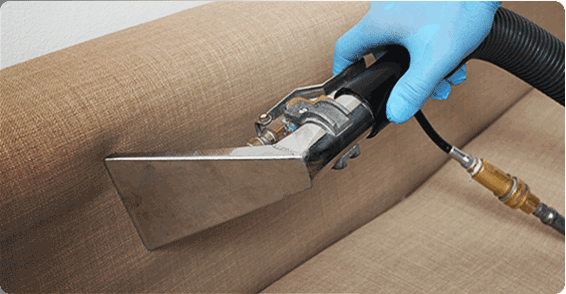
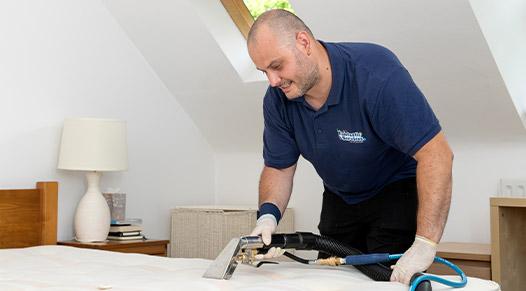
Hot water extraction works in three stages. A pre-spray suited to the fibre is applied and given time to break the bond between soil and pile; the pile is agitated so the chemical reaches the base of the fibre rather than sitting on the tips; then hot solution is injected and immediately drawn back out under vacuum, taking the suspended soil with it. Skipping the dwell time is the usual shortcut, and it produces a carpet that looks better wet and dries back to roughly where it started.
Fibre decides the chemistry
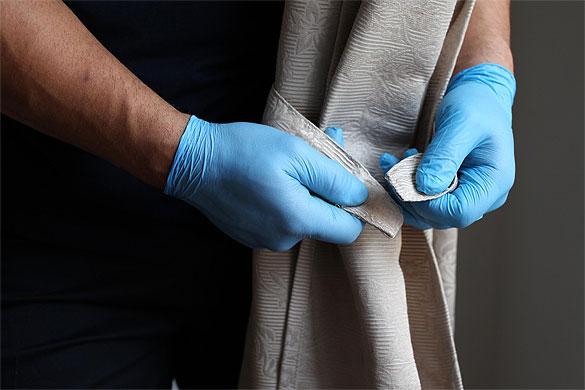
Wool and synthetic carpets behave differently and want different products. Wool is an animal fibre: strong alkalis damage it and high heat can felt it. Polypropylene tolerates far more but holds oily soil stubbornly and shows traffic lanes early. Older wool-rich carpet in a 1930s house and a cheap polypropylene twist in a recent buy-to-let are not the same job, and treating them the same is how a carpet ends up with a bleached patch or a permanent crush. A test in a wardrobe or behind a door settles it before any product goes onto open floor.
Drying is part of the work
A carpet left over-wet is worse than one left dirty. Moisture that reaches the backing wicks old stains up to the surface as it dries, brings a musty smell with it, and in a ground-floor flat over a suspended void it can take days to leave. Controlling how much water goes down, making extra dry passes and moving air through the room are part of the method rather than optional extras. A morning appointment with windows open gives a far better result in winter than an afternoon one.
Marks that will not come out
Some things are damage rather than soiling. Bleach contact, a hot iron, dye transfer from a rubber-backed mat and moth grazing along a skirting have all removed or altered the fibre, and no amount of extraction rebuilds it. Saying so early protects everyone: a tenant who knows a bleach spot is permanent can raise it at check-out as an item for apportionment rather than being surprised by a replacement charge. The rest - food, drink, mud, pet accidents - is generally recoverable when treated properly, which is what a local professional is for.
Clearing the floor first
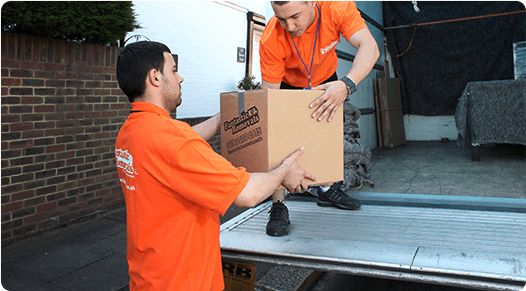
Carpet cannot be cleaned under furniture, and dragging a wardrobe across a damp pile leaves a mark that outlasts the tenancy. Rooms need to be empty before the machine comes in, with any remaining items grouped in one room so the rest of the flat can be finished. For a flat in a block with a single narrow stair, small loads through fully insured small moves in Wallington usually work better than one large lift; a house with a driveway is more efficiently emptied by Morden removals service in a single run.
How the appointment is organised
Carpet work is assessed by the number and size of rooms rather than by the hour, and stairs are counted separately because they take longer per square metre than anything else in a property. Parking within reach of the front door matters, since the hose run from a machine has a practical limit. Where a full move-out clean is also arranged, extraction happens after hard surfaces and before the final detail pass. The sequence set out in the full service page is the same one used on end of tenancy cleaning across Carshalton, where the housing stock is very similar.