Most safes are bought after a conversation with an insurer rather than after a burglary, and the wording of that conversation determines the whole job. A policy that specifies a rated cabinet, fixed in accordance with the manufacturer's instructions, is setting out conditions that will be checked if a claim is ever made.
The specification comes from the policy, not the shop
Ratings describe the value a unit is accepted to hold, and they are not interchangeable between insurers. A cabinet rated for one figure will not satisfy a policy written around a higher one, and jewellery is usually treated differently from cash. Weight matters too: below a certain mass, a unit is only considered secure if it is anchored, because two people can carry an unfixed cabinet out to a vehicle in less than a minute. The point of the installation is to make removal impractical, not merely inconvenient.
Where it should and should not go
The master bedroom wardrobe is the first place searched in any house, which makes it the worst location despite being the most popular. Better positions are low, awkward to approach, and out of sight from a window, with something heavy and immovable nearby. An external wall is a poor choice because it gives access from outside the building and because it is the coldest, dampest surface in the room. A garage is convenient and visible from the street, which are contradictory qualities.
Anchoring into what is actually there
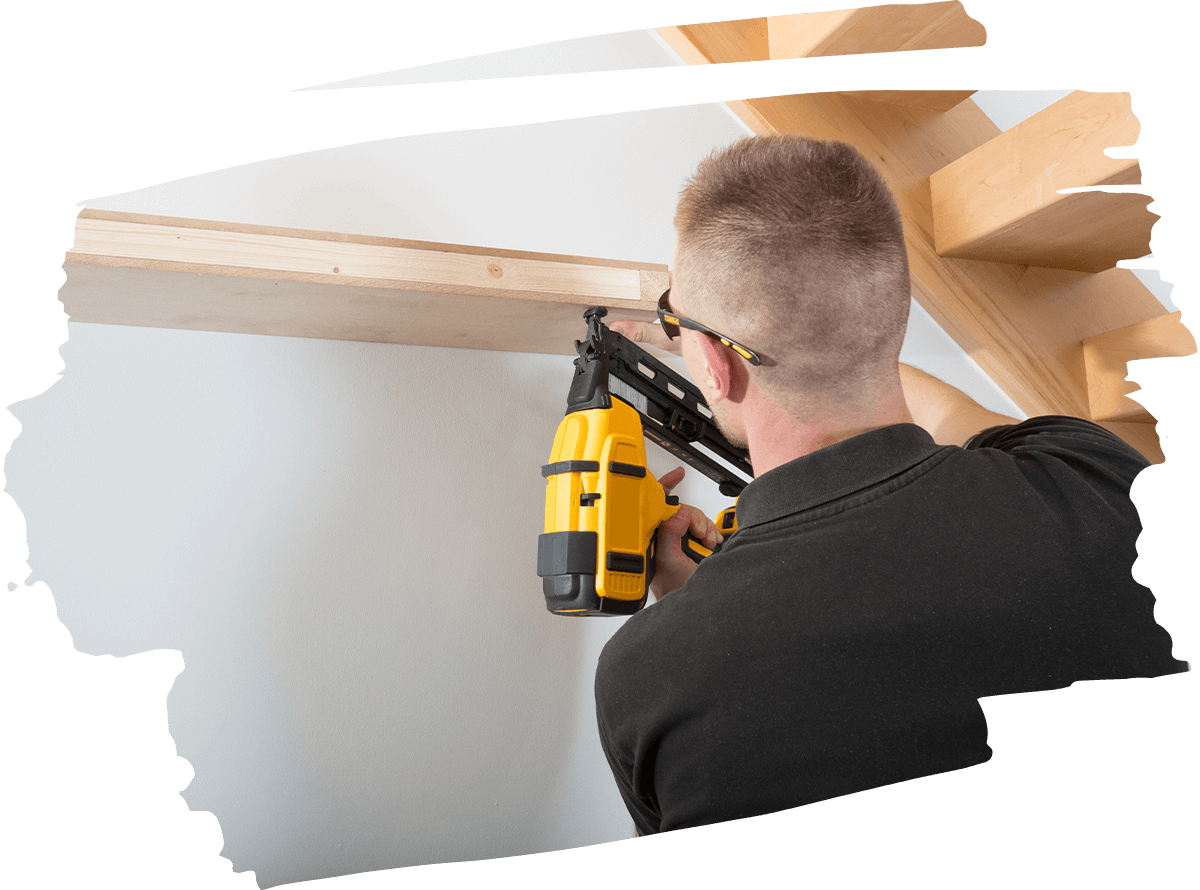
On a solid concrete floor the answer is straightforward: through-bolts or resin anchors into the slab, at the points the manufacturer has provided, with the correct embedment depth. On a suspended timber floor there is nothing to anchor to, and bolting through a floorboard achieves very little; the fixings need to reach joists, or a steel plate has to spread the load across several. Fixing to a masonry wall in the older Victorian and Edwardian houses on and around the hill means dealing with soft brick behind the plaster, where an expansion anchor can split the brick and a resin anchor into properly cleared holes is the reliable method. Drilling into an unknown floor in a converted flat is a good way to find a heating pipe.
Making good and keeping it quiet
Once a unit is in, the finish around it should not advertise it. Fresh drilling dust swept but not cleared, a bright patch of new paint, a rug obviously repositioned - each undoes part of the point. The other half of the discretion is social: the fewer people who know it exists, including tradespeople coming and going, the better it works.
Fitting it into a wider programme of work
The natural moment is during a refurbishment, when floors are up and a position can be chosen freely, but the sequence matters. Anchoring comes after the trades and before the deep clean-down that clears construction dust from every surface, which is the work covered by professional post-renovation cleaning in Wimbledon. Doing it in the other order simply fills the mechanism with dust.
Cold corners and cupboard positions
A cabinet fixed inside a built-in cupboard against an external wall will sit in the coldest, least ventilated part of the room, and paper documents stored there absorb moisture from the air over a winter. Where dark marks have already appeared on the cupboard walls, the treatment belongs with the service in full, and the storage position is worth reconsidering at the same time.
What a fitting visit involves
The unit needs to be on site and the floor construction known, along with the policy wording if it stipulates anything specific. Expect the technician to check for services before drilling, to use the manufacturer's own fixing points rather than improvised holes, and to hand over the setting of the code to the owner rather than seeing it. Charging follows time and the difficulty of the substrate. Alarms, sensors and anything electrical alongside it are a separate trade, covered by what the service covers. Comparable work across the borough appears on the Merton branch, and the full task list is set out on our national handyman service.