London clay does not brush off. It is a fine, plastic soil that holds water, sticks to everything it touches and dries into a hard pale film rather than falling away as dust, and much of Wimbledon sits on it. A household with a garden, a dog or children who use the common will bring it indoors every day between October and April, and the strategy that works against sand or grit is close to useless against it. Clay has to be dried before it can be removed.
Why clay behaves differently from grit
Wet clay smears. Attacking a fresh muddy print with a cloth spreads it into a much larger stain and pushes it into the grain of timber or the base of a carpet pile, where it dries in place. Left alone for a few hours it becomes brittle, and at that point it lifts almost entirely with a vacuum and a stiff brush. Every subsequent step is easier if the first one is patience, which is counterintuitive and is the reason most hallway floors look permanently dulled.
The threshold and the first few metres
Almost all of the soil entering a house is deposited within a handful of paces of the door, which makes that strip the highest value area in the whole property. Matting that runs for several steps outside and several more inside removes the bulk of it. A stone or tiled entrance area tolerates the traffic better than timber, and where timber runs straight to the front door the finish at that point needs checking regularly rather than annually.
Stairs, runners and a house on several levels
Larger houses here often run over four levels with a loft conversion above, and stairs take the transferred soil that made it past the hall. Stair cleaning is slow because it is done from the top down, tread and riser separately, with the edges worked by hand where a runner meets the timber either side. Carrying a full size vacuum up and down four flights is the reason this gets skipped, so a light machine or a second one kept upstairs changes the practical outcome more than any technique.
Dogs, and the route they take
A dog does not wipe its feet and does not use the matted route, so it distributes clay in a line from the back door to wherever it sleeps. Towel drying at the door, a washable bed cover laundered weekly and a restricted route while the ground is wet do more than anything done afterwards. Paw oils also transfer onto the bottom of doors and the sides of furniture at a consistent height, which is a mark that repays a targeted wipe rather than a general one.
Lofts, cellars and the storage that fills
Houses of this size accumulate, and rooms that cannot be emptied cannot be cleaned properly. Where a loft or cellar clearance is needed before deeper work, local man and van across Wimbledon handles the bulk items and the disposal documentation. That is a job worth doing before the winter rather than during it, since a clear floor makes everything else faster for the following six months.
Moving during a wet week
Relocating between October and March means the entire house becomes a thoroughfare for boots, and protection down the hall and up the stairs matters more than the speed of the load. Where the move is being handled properly, removals across Wimbledon covers the route protection, and the clean is placed once the property is empty rather than around stacked boxes.
How the visits are structured
Through the wet half of the year the entrance, stairs and back of the house justify a disproportionate share of the hours, and the rest of the property rotates. Charging follows visit length and the number of staff, so weighting where the time goes costs nothing. Neighbouring arrangements are covered by house cleaning services in Merton and domestic cleaning cover across Raynes Park, and the full range of work is listed on our cleaning team.





































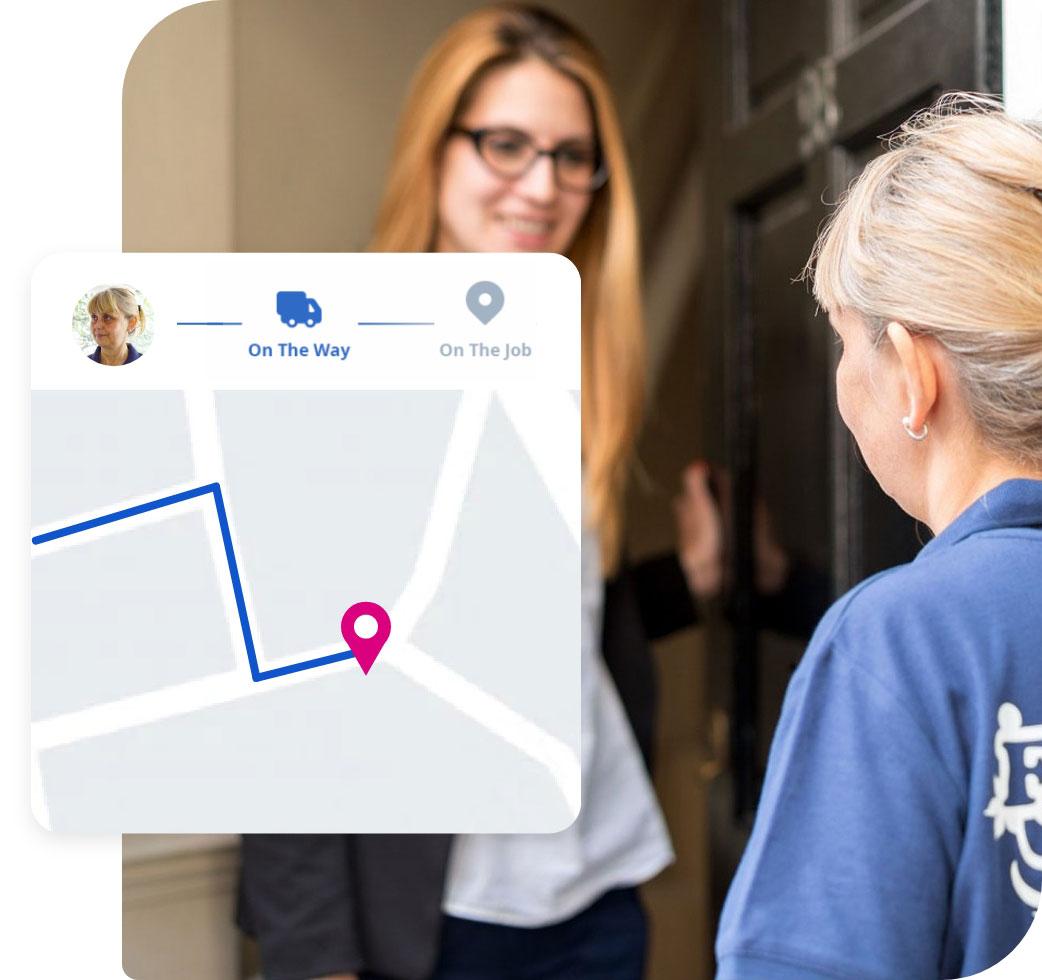
 Get the app



