Limescale is the one form of soiling that gets worse while a property stands empty. Water in SL1 is drawn from chalk and arrives hard, so every drip left on a shower screen after the last tenant leaves dries to another thin layer of calcium. A flat handed back a fortnight before the inspection can look worse on the day than it did when the keys went in, which is why descaling is scheduled close to the check-out rather than early in the void.
Dissolving rather than scouring
Scale is a mineral crust and it comes off chemically. A mild acid is applied, given time to soften the deposit, then the softened material is lifted and the surface rinsed and dried so nothing re-deposits. Time is the active ingredient; pressure is not. A green pad taken to a chrome mixer or an acrylic shower tray puts thousands of fine scratches into the surface, and those scratches hold scale better than the original finish did, so the next build-up arrives faster and comes off harder. Natural stone and unlacquered brass are excluded from acid entirely.
The places scale hides
Visible scale on a screen is the easy part. The ring under the rim of a WC pan, the aerator threaded into the end of a tap, the inside of a kettle, the spray plate of a shower head and the seal around a dishwasher door all hold deposits that a quick wipe never touches. Aerators and shower heads unscrew and soak. A dishwasher with a blocked filter and a scaled spray arm is reported rather than ignored, because a machine listed in the inventory is expected to work.
Appliances in a hard water district
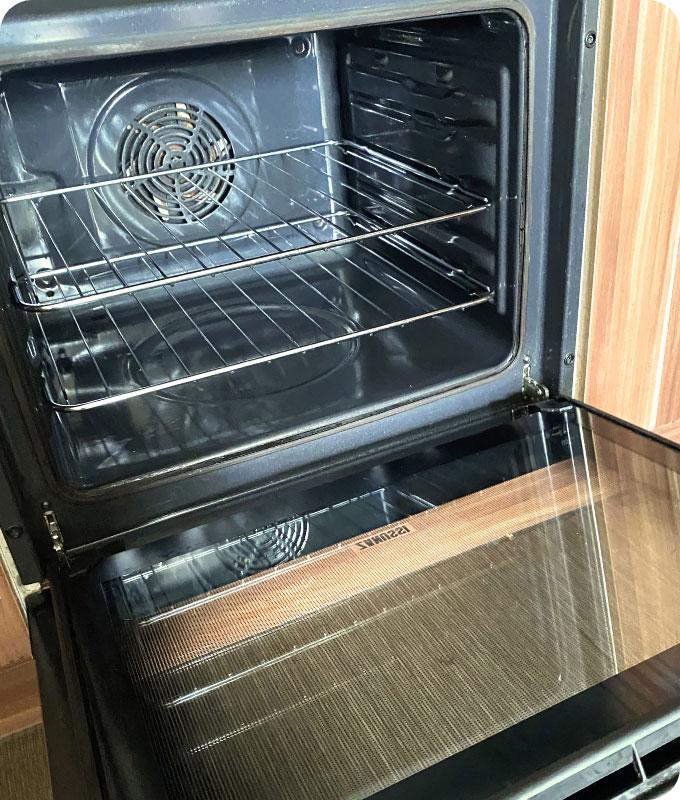
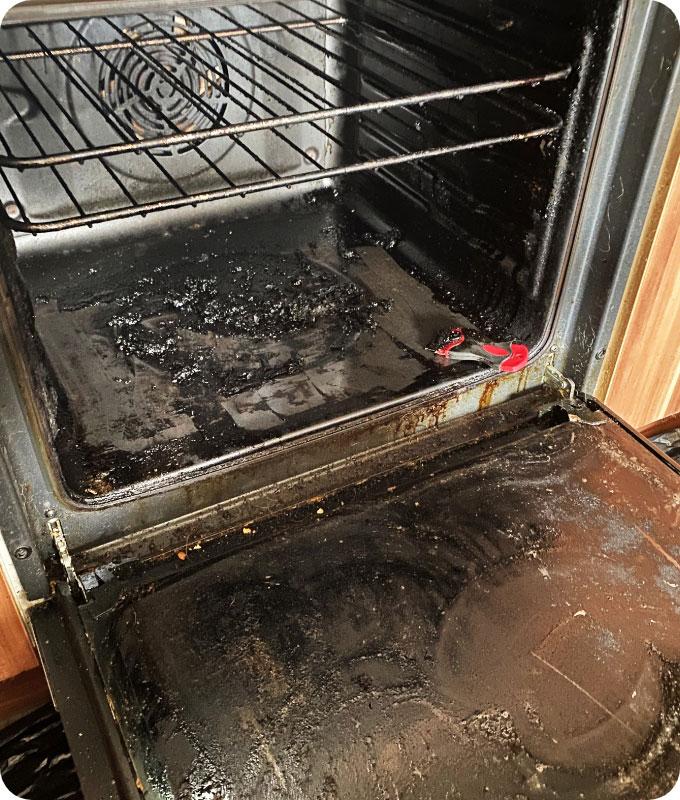
Washing machines and dishwashers accumulate scale on the heating element and a grey biofilm in the detergent drawer and door seal. Those two problems need opposite treatments, one acidic and one a hot detergent wash, and doing them in the wrong order wastes both. Ovens are a separate discipline again, since carbonised fat is polymerised rather than mineral and responds to caustic soaking instead of acid; a dedicated appointment for local oven cleaning across Slough is usually made alongside a move-out clean rather than folded into it.
Newer flats and their unforgiving finishes
A good deal of local rented stock is recent apartment blocks with composite worktops, glass balustrades and large-format tiling. Those finishes look tolerant and are not. Etching on a quartz surface from an acid left too long is permanent, and streaking on glass balustrades comes from hard water drying on them rather than from dirt. Where a property has just come out of refurbishment, dust bound into that mineral film is much harder to shift, which is why a post-works clean is treated as its own service, as with what the visit includes.
Soft flooring and mineral residue
Hard water causes a quieter problem in carpet. Mineral-rich water pushed through an extraction machine leaves residue in the pile that attracts soil again within weeks, so a carpet cleaned in a hurry can look tired before the new tenant has unpacked. Controlling how much water goes down, and rinsing properly, is what makes the result hold. That is the whole basis of what the visit includes, and it is why extraction is assessed by room rather than by the hour.
Booking around the void
Charges are worked out from the size of the property and its furnishing rather than from time on site, because the work is a fixed list of tasks. Water and power need to be on, the property empty, and the appointment placed as late in the void as the handover allows so scale has no chance to re-form on dried surfaces. Any re-clean window runs from the date of the visit, not from the date of the inspection. The standard task list sits behind the full service page, and it is applied identically on experienced move-out cleaning in Basingstoke, where the water is just as hard.