Heavy tree cover is the local variable that most affects a move-out clean in RG40. Mature garden trees and wooded verges are part of what makes the area pleasant to live in, and they also produce a specific sequence of nuisances: pollen and sap in early summer, honeydew and the sooty mould that grows on it through August, then months of leaf fall. All of it lands on glass, on window sills, on conservatory roofs and on paving, and from there it comes indoors.
Sap and honeydew are not ordinary dirt
The sticky film that appears on windows under a lime or a sycamore is a sugar deposit, and once airborne dust settles into it the result is a grey haze that a standard glass cleaner smears rather than removes. It needs a detergent solution with some dwell time to soften, then a squeegee with a clean blade, then a dry buff of the edges. Approaching that film with a dry cloth and glass spray simply spreads it evenly across the pane.
Frames, sills and the drainage below
External sills under trees collect a compacted layer of leaf fragments, grit and moss that holds water against the frame. It is brushed off dry before anything wet is applied, because wet leaf litter stains painted timber and masonry alike, and a tannin mark on a pale sill is very hard to lift once it has set. Drainage slots at the base of plastic frames block with the same debris, and a blocked slot lets water sit in the frame and then run back into the room, which is recorded at check-out as damp rather than as dirt.
The band of floor by every garden door
Leaf mould and damp soil come in on shoes and paws in far greater volume in a heavily planted street than in an open one. The soiling concentrates in a narrow strip inside each external door and in the mat well, and it is ground into carpet backing rather than sitting on top of it. That strip usually decides how clean a hall looks in a photograph.
Free-draining ground, fine dust
The sandier soils around the town dry fast and blow, so summer brings a fine pale dust that settles on high surfaces indoors. Picture rails, the tops of doors, light fittings and the upper edge of skirting boards carry it, and because it is pale it hides on white paint until a cloth passes over it and leaves a line.
Conservatories and garden rooms
Almost every second property here has a conservatory or a glazed extension, and it is the single most neglected room at check-out. The inner face of a roof develops green film from condensation, glazing bars trap debris, and the floor takes the traffic between house and garden. It is cleaned from the roof downwards so nothing falls onto finished surfaces, and polycarbonate roofing is kept away from blades and abrasive pads entirely.
Where the specialist work sits
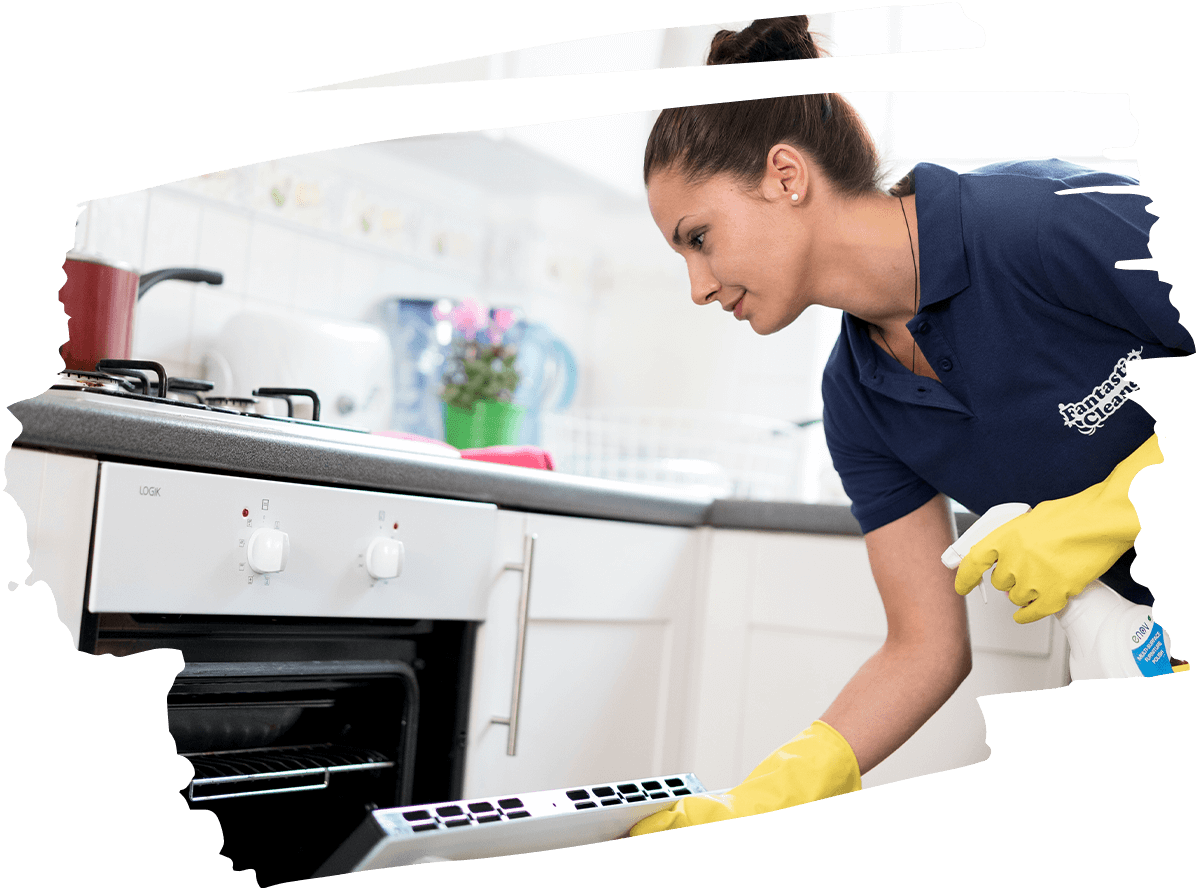
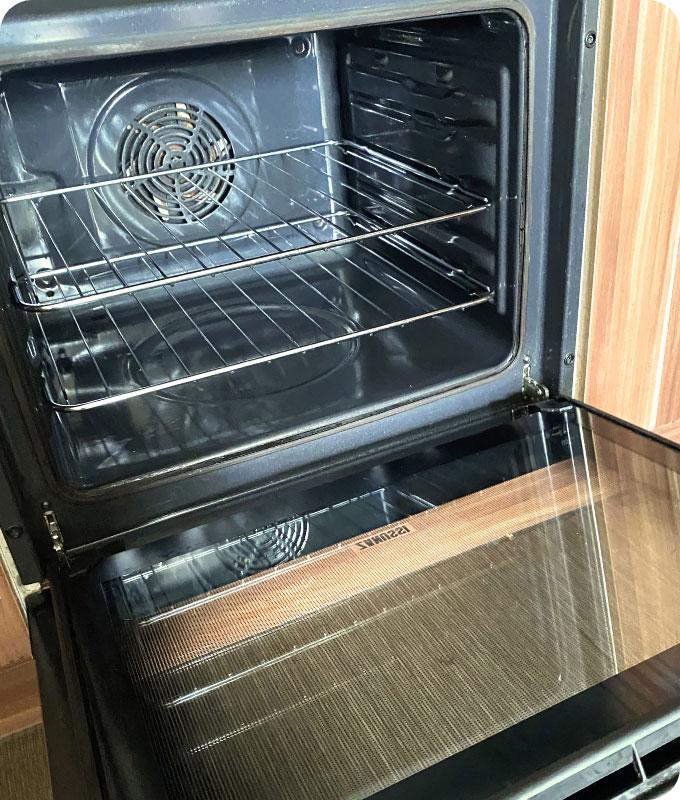
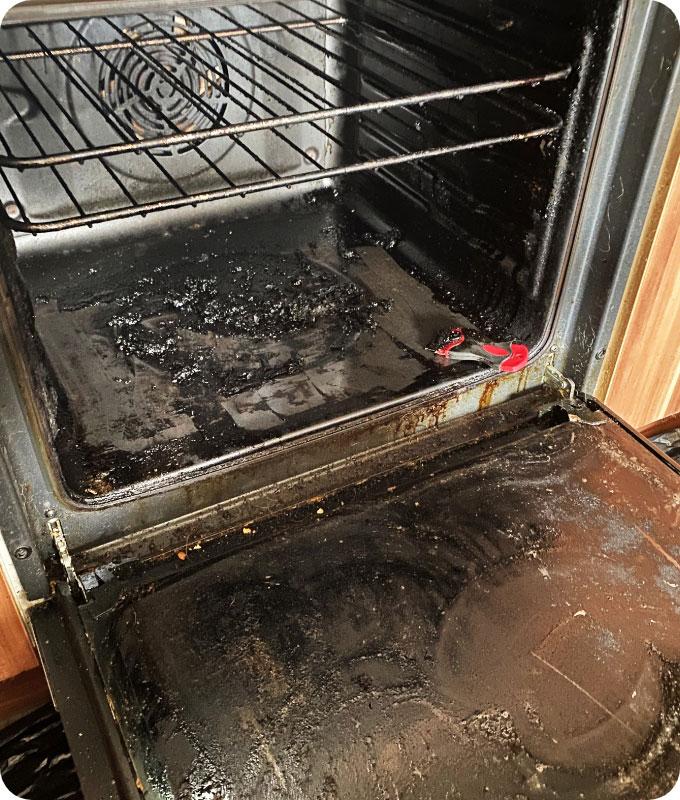
Carpet extraction is a separate operation with its own drying time, which is the way our carpet cleaning service in Wokingham is scheduled, running first so the pile has hours to dry before an inspection. Oven parts need soaking away from the property, so appliance work is generally a distinct appointment along the lines of the oven cleaning team in Wokingham.
What is covered on the day
The work follows the fixed room-by-room list on nationwide end of tenancy cleaning services, carried out in an empty property with utilities on. Charges are set by the size of the property and whether it is furnished rather than by hours, and glazed extensions are counted as rooms when the quote is prepared because they take room-sized time. The identical specification is delivered in the towns to the west under our end of tenancy cleaning service in Newbury, and ongoing housekeeping through a tenancy is a different arrangement of the kind supplied by Crowthorne cleaning services specialists.