Nothing can be cleaned until the property is genuinely empty, and in practice that is where most move-out days go wrong. A sofa nobody wants, a broken bed frame, three bags of garden waste and a television that failed a year ago are still sitting in the hall when the crew arrives, and none of it can simply be carried down to the communal bins. Woking's stock of town-centre apartment blocks makes this a particularly regular problem.
Waste is a regulated business, not a favour
Household waste removed by a third party is controlled under duty of care rules: it has to be transferred to a registered carrier and taken to a licensed facility, with a transfer note recording what moved and where it went. That is why a legitimate clearance is not the same as asking a man with a van to make things disappear, and why fly-tipped waste traced back to a property can land the householder with a penalty even though somebody else dumped it.
Communal bin stores and what does not belong in them
Blocks provide bins sized for the ordinary weekly output of the residents, and a tenancy's worth of accumulated belongings overwhelms them immediately. Managing agents charge the block for clearing an overloaded store, and where cameras or fobs identify the flat responsible, the cost is passed on. Furniture, mattresses, electrical items and anything containing refrigerant are excluded anyway and need separate handling.
Bulky items and what happens to them
Large items are assessed for reuse and recycling before disposal, because a serviceable sofa or appliance has somewhere better to go than a landfill skip. Mattresses, fridges and electricals follow separate streams by law. The practical point for a departing tenant is that these need booking rather than assuming, and that a bulky collection arranged after the keys have gone back is a collection nobody can carry out.
Balconies, storage cupboards and the spaces people forget
Modern flats here typically have a balcony, a utility cupboard housing the ventilation unit or the water cylinder, and sometimes a separate store in the basement. All three appear on inventories, all three collect things, and the basement store is the one most often left full because the keys for it have been mislaid. Balcony floors and drainage channels also collect grit and leaf litter, and a blocked balcony drain is a maintenance issue that gets logged against the tenancy.
The cooker, and what a clean cannot fix
Once the property is empty, the kitchen determines the length of the visit, and within it the oven determines the length of the kitchen. Baked-on deposit is polymerised fat needing removable parts treated separately and real contact time on the cavity, which is why it runs as a distinct job through Woking oven cleaning team. A cracked door seal or a failed element is a repair rather than a cleaning matter and is reported as such.
Floors, and the last wet process
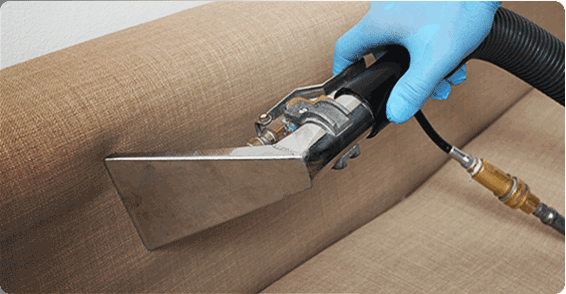
Hard flooring predominates in newer flats and is damp-worked and dried rather than flooded. Where bedrooms are carpeted, extraction is the final process in the property and needs air moving through afterwards, and it is priced independently, as set out under Woking rug cleaning.
Sequencing the day and what to arrange first
Clearance, then clean, then carpet, then inspection, in that order, with the building's loading and lift rules setting the start time. Pricing for the clean follows property size and bathroom count, with oven and carpets itemised and clearance quoted by volume and item type rather than by the hour. Keeping a property in reasonable order through the tenancy, along the lines described on local cleaning services across Windlesham, reduces all of it. Comparable work in the towns to the west is set out on the local team, and the general standard on end of tenancy cleaning for landlords.