A furnished let has considerably more to answer for at the end of a tenancy than an empty one. Every bed, sofa, curtain and rug in the property belongs to the landlord, appears on the inventory, and is assessed individually, which is why a three-bedroom furnished house takes noticeably longer than an unfurnished one of the same size and why room counts alone make poor quotes.
Beds, bases and what the schedule says about them
Mattresses are vacuumed on both faces and along the piping where dust gathers, turned if the construction allows, and checked for staining that will be recorded either way. Divan bases collect dust underneath and in the drawer runners, headboards hold marks at pillow height, and the floor beneath the bed is one of the areas a clerk reliably looks at. Protectors and toppers, where the landlord supplies them, are itemised too, and a missing one is a straightforward deduction.
Curtains, blinds and the slow surfaces
Lined curtains hold dust in the pleats and along the header tape, and they cannot be taken down and washed without knowing whether the lining will shrink; most are vacuumed with an upholstery head and a mesh guard instead. Venetian and vertical blinds are the slowest item in any furnished property, since each slat has two faces and a cord that collects grime, and the time they take bears no relation to the size of the window. Roller blinds are simpler but stain permanently, so a mark is reported rather than attacked.
Upholstery and the frames beneath
Sofa and armchair cushions come out so the well underneath can be cleared of the coins, crumbs and grit that gather there. Fabric is vacuumed thoroughly; wet treatment is only appropriate where the care label allows and where the fabric has been tested for colour, since many loose covers and older upholstery will water-mark. Leather is wiped with a neutral product rather than anything that strips the finish.
Free-draining ground and the dust it produces
Much of GU12 sits on light, sandy heathland soil rather than clay, which drains fast and dries quickly. That means less mud and more fine dust, carried indoors in summer as a pale film that settles on every horizontal surface and works down into carpet pile and upholstery rather than sitting on top of it. It responds well to dry extraction and badly to being wiped while dry, which grinds it into the weave.
The cooker in a furnished property
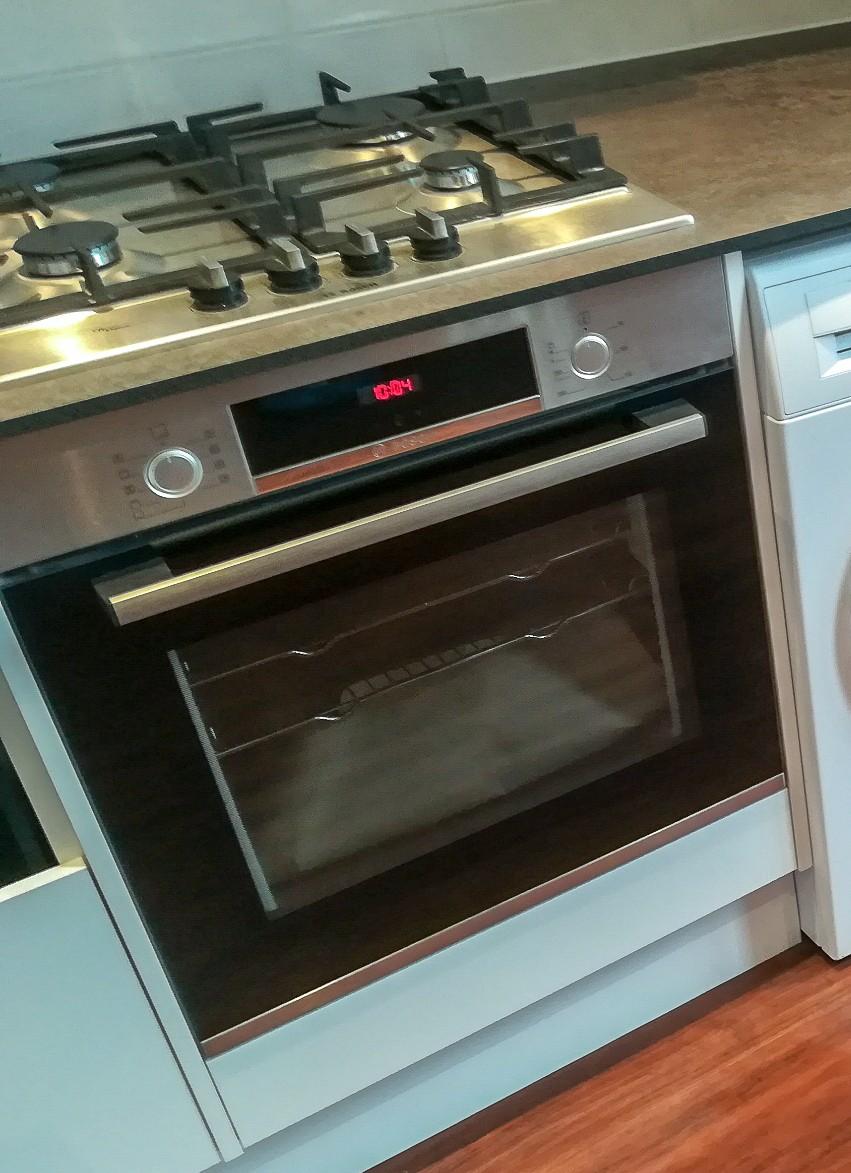
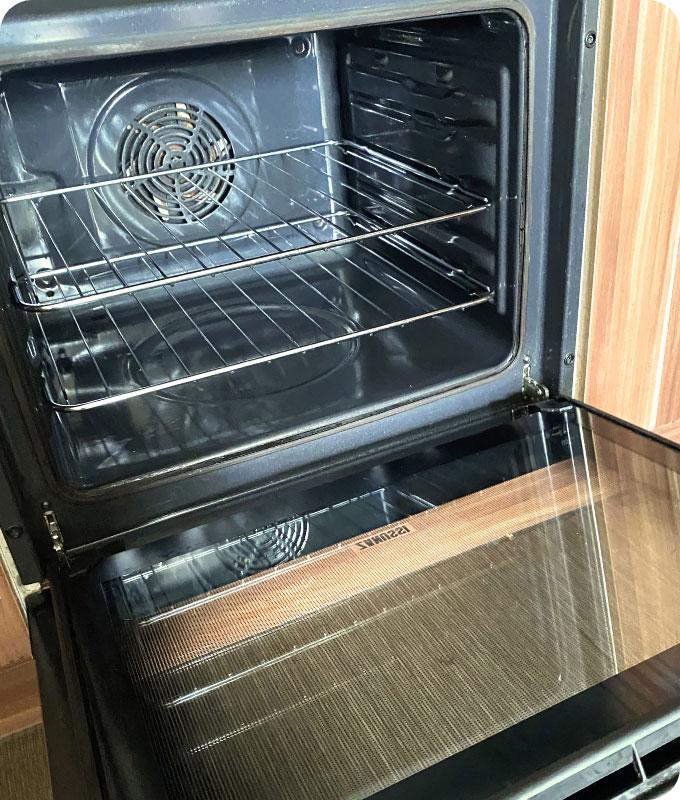
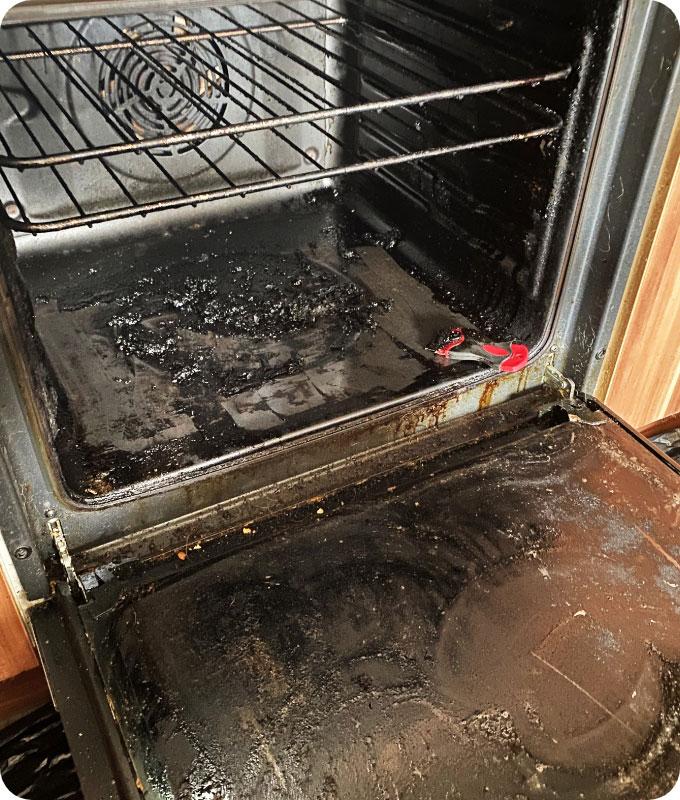
Where the oven belongs to the landlord, and in a furnished let it always does, its condition is an inventory item in its own right. Baked deposit inside the cavity needs the shelves and runners removed for separate treatment and the cavity given real contact time with a suitable product, which is why it is handled through trusted oven cleaning in Ash rather than absorbed into a general clean.
Carpets, rugs and drying time
Loose rugs are treated separately from fitted carpet and are usually easier, since they can be lifted and worked from both sides. Fitted carpet in bedrooms and on stairs needs extraction, which is the last wet process in the property and needs hours of air movement afterwards, and it is priced independently as explained under Ash carpet cleaning services.
Moving furniture out, or not
Where a tenant's own possessions are mixed with the landlord's contents, agreeing what leaves and what stays is the first job of the day and should not be decided by the crew. Once that is settled, removal of the tenant's goods is straightforward and is arranged through Farnborough office relocation. Charging for the clean follows property size, bathroom count and the extent of the furnishings, with oven and carpet itemised. Comparable work in the neighbouring town is described on trusted end of tenancy cleaning services in Aldershot, and the general standard is set out on more about this service.