Mould Removal and Remediation Services in Petts Wood
Certified mould removal specialists delivering comprehensive mould remediation, inspection, and treatment for long-term protection against damp and mould.

Certified mould removal specialists delivering comprehensive mould remediation, inspection, and treatment for long-term protection against damp and mould.

The cost of mould removal depends on the size of the affected area and the type of treatment required. After a detailed inspection a clear, personalised quote is provided based on the scope of work.
| Small mould area (e.g. around a window or corner) | Medium mould area +£100 (large section of a wall affected) | Large mould area +£150 (more than one wall or ceiling) | ||||
|---|---|---|---|---|---|---|
| Room | Standard | Fantastic Club* | Standard | Fantastic Club* | Standard | Fantastic Club* |
| Bedroom | £350 | £320 | £450 | £420 | £500 | £470 |
| Bathroom | £350 | £320 | £450 | £420 | £500 | £470 |
| Kitchen | £350 | £320 | £450 | £420 | £500 | £470 |
| Living / Dining room | £350 | £320 | £450 | £420 | £500 | £470 |
| Hallway / Landing | £350 | £320 | £450 | £420 | £500 | £470 |
| Utility room | £350 | £320 | £450 | £420 | £500 | £470 |
| Paid inspection | £50 | |||||
| *Price for members of the Fantastic Club. The Fantastic Club is a yearly subscription of £89. | ||||||
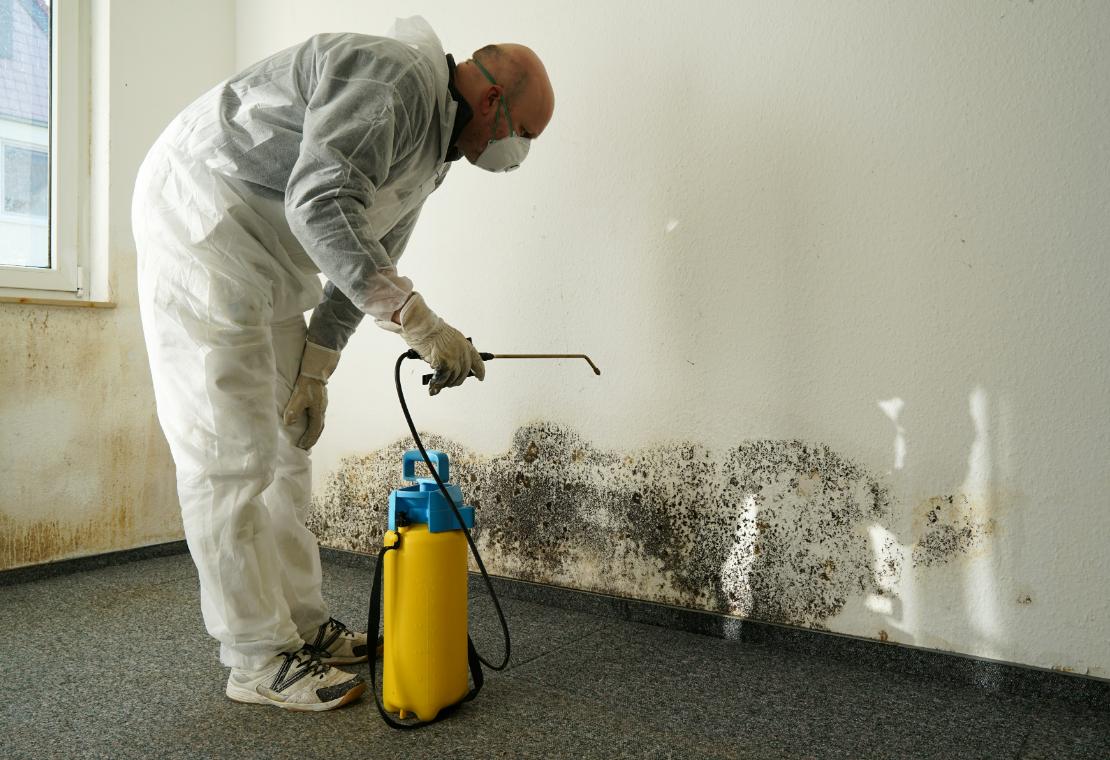
Our mould removal services in Petts Wood start with a thorough inspection and moisture assessment designed to identify both the extent of contamination and its underlying cause. Mould is typically triggered by factors such as high humidity, condensation, poor ventilation, or lingering water damage. Understanding the source is vital for ensuring effective long-term mould removal. Our mould cleaning Petts Wood focuses on treating structural surfaces, such as walls, ceilings, and floors, where mould is commonly found. Please note that soft furnishings like carpets and upholstery are not included in our treatment.
In Petts Wood, our professional mould remediation service takes a holistic approach by not only cleaning visible mould but also effectively dealing with airborne mould spores that can negatively affect your indoor air quality. Our procedures aim to eliminate current issues while preventing future outbreaks. With our damp and mould removal expertise, you can rest assured that you're safeguarding your health and your property from the detrimental effects of mould. This comprehensive mould inspection and removal process helps ensure a healthier living space for you and your loved ones.
Initiating mould remediation in Petts Wood involves a detailed inspection and moisture assessment where professional hygrometers play a pivotal role in locating hidden damp spots. Identifying and addressing excess moisture is a fundamental step to avert future mould issues. Throughout this process, maintaining safe indoor air quality is paramount; therefore, HEPA filtration systems and air scrubbers are utilized to capture airborne mould spores effectively, safeguarding health during remediation.
The application of HOCl (Hypochlorous Acid) ensures a powerful, non-toxic treatment that neutralizes mould, bacteria, and mycotoxins, targeting them at a microscopic level. Furthermore, to ensure comprehensive coverage, ULV (Ultra-Low Volume) fogging technology is implemented, dispersing treatment into voids and hidden areas. The physical removal of mould follows, employing equipment fitted with H-Class filtration to contain any contaminants efficiently. The procedure culminates in final air purification, which not only reduces airborne spores but also dramatically improves indoor air quality, ensuring long-term relief from damp and mould in Petts Wood.
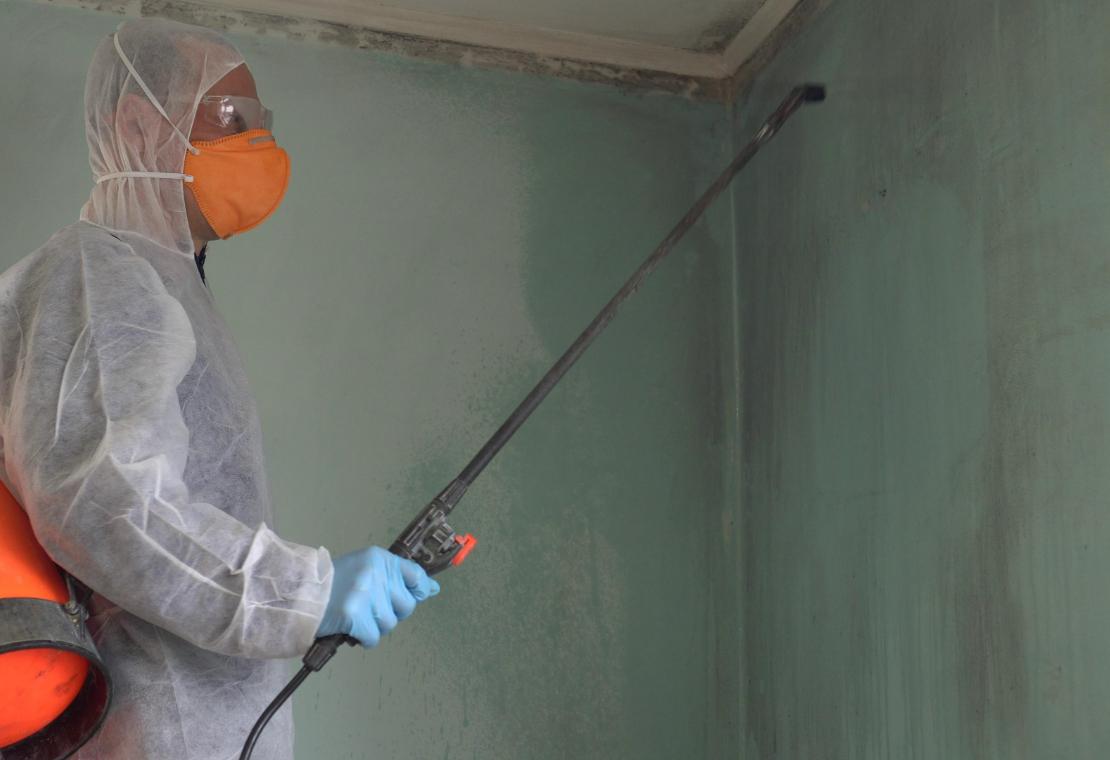
Booking mould cleaning is quick and designed to get results without unnecessary delays.
Share what you’re dealing with, whether it’s visible mould, damp patches, or a recurring problem. This helps determine the right approach, from mould cleaning to full mould remediation.
A specialist checks the affected areas and identifies what’s causing the mould, such as excess moisture, condensation, or poor ventilation. This ensures the issue is treated properly, not just on the surface.
You’ll get a straightforward quote based on the level of contamination and the type of mould removal required. The service is tailored to ensure effective results and long-term protection.
The treatment removes mould and improves indoor air quality, helping to prevent future growth and create a healthier living space. It also targets the root cause of the problem for longer-lasting results.
Mould removal requires more than basic cleaning, which is why it’s handled by trained mould remediation specialists experienced in treating both visible and hidden contamination. Each specialist assesses the full extent of mould growth, including underlying causes such as excess moisture, condensation, and ventilation issues, ensuring the problem is addressed properly rather than just on the surface.
Number of bookings: 205
With Fantastic Services for: 3 years
Other specialities:
Number of bookings: 139
With Fantastic Services for: 2 years
Other specialities:
Number of bookings: 213
With Fantastic Services for: 2 years
Other specialities:
Alongside professional mould removal and mould cleaning, a range of additional property care services is available to help maintain a healthier indoor environment.




Mould can spread quickly and impact both health and property if not treated in time. Book a service today to remove mould, improve indoor air quality, and restore a cleaner and healthier living environment.
Mould keeps a calendar. Calls begin within a fortnight of the clocks going back, peak in January and February, and stop almost entirely by late April. Nothing about the household has changed in that time: the same number of people are cooking, showering and sleeping in the same rooms. What has changed is the temperature of the wall surfaces, and in an estate of consistent interwar semis like those across BR5 the effect arrives everywhere at once.
Warm air holds more moisture than cold air. Through summer, an external wall's internal face stays well above the temperature at which the air in the room gives up its moisture, so nothing condenses. As the outside temperature falls, that surface falls with it, and once it sits at or below the dew point of the room air for a few hours a day the moisture has somewhere to go. The first cold snap after the heating season starts is when the spotting appears.
Petts Wood's housing is largely planned interwar development: consistent semi-detached stock, bay windows with thin returns, and walls of solid brick or early narrow cavity. A wall like that has thermal mass, and mass takes hours to warm through. A heating pattern of one hour in the morning and three in the evening warms the air in the room and never warms the wall, so the surface spends the whole day cold. Low continuous background heat costs less than most households expect and changes the surface temperature in a way that short bursts cannot.
A deep overnight setback is well intentioned and unhelpful here, because the hours when a bedroom produces the most moisture are the hours when its walls are coldest. Turning off a radiator in a spare room and closing the door creates the coldest surfaces in the house, and the rest of the household's moisture migrates to them. A heat pump running at a lower flow temperature for longer suits this problem better than a boiler used intermittently, as it keeps surfaces up rather than cycling the air.
Two sleeping adults release a substantial amount of moisture over eight hours into a closed room with sealed glazing and trickle vents shut for warmth. Put a wardrobe flat against the external wall and the surface behind it loses the little air movement it had. That is why the corner behind a bedhead and the wall behind a wardrobe are the two most predictable locations in the entire house, and why moving furniture a hand's width off the wall makes a visible difference within weeks.
Treat and remove the existing growth, then move furniture clear, then open the trickle vents, then hold a steady background temperature rather than chasing it up and down, and extract at source while moisture is being produced. A temperature and humidity monitor left in the affected room through the winter is worth more than any amount of guesswork, because it shows whether the changes are working while the season is still cold. Fitting trickle vents, draught-proofing and undercutting a door so air can move between rooms is work for experienced minor repairs in Petts Wood.
An unheated, closed room at the back of a house is exactly what a mouse is looking for in November, and the same gaps that lose heat are the ones used to get in. Where a survey turns up both, affordable pest control in Petts Wood deals with the infestation. Affected wardrobes and soft furnishings in a bedroom need proper attention once the wall is treated, which is what trusted house cleaning in Orpington is for, and experienced mould removal in Orpington covers the same service in the district next door.
A visit in cold weather shows the problem at full strength, with readings that mean something and growth that can be seen rather than described. The works themselves are easier in warmer months, when a treated wall dries properly and a room can be aired while decoration cures. Surveys are booked as a standalone visit and treatment is quoted by area and method, as described on experienced mould remediation.
Skip the line, request and
book a service online