Mould Removal and Remediation in Lee SE12
Professional mould remediation and treatment solutions designed to eliminate contamination at the source and maintain a hygienic indoor environment.

Professional mould remediation and treatment solutions designed to eliminate contamination at the source and maintain a hygienic indoor environment.

The cost of mould removal depends on the size of the affected area and the type of treatment required. After a detailed inspection a clear, personalised quote is provided based on the scope of work.
| Small mould area (e.g. around a window or corner) | Medium mould area +£100 (large section of a wall affected) | Large mould area +£150 (more than one wall or ceiling) | ||||
|---|---|---|---|---|---|---|
| Room | Standard | Fantastic Club* | Standard | Fantastic Club* | Standard | Fantastic Club* |
| Bedroom | £350 | £320 | £450 | £420 | £500 | £470 |
| Bathroom | £350 | £320 | £450 | £420 | £500 | £470 |
| Kitchen | £350 | £320 | £450 | £420 | £500 | £470 |
| Living / Dining room | £350 | £320 | £450 | £420 | £500 | £470 |
| Hallway / Landing | £350 | £320 | £450 | £420 | £500 | £470 |
| Utility room | £350 | £320 | £450 | £420 | £500 | £470 |
| Paid inspection | £50 | |||||
| *Price for members of the Fantastic Club. The Fantastic Club is a yearly subscription of £89. | ||||||
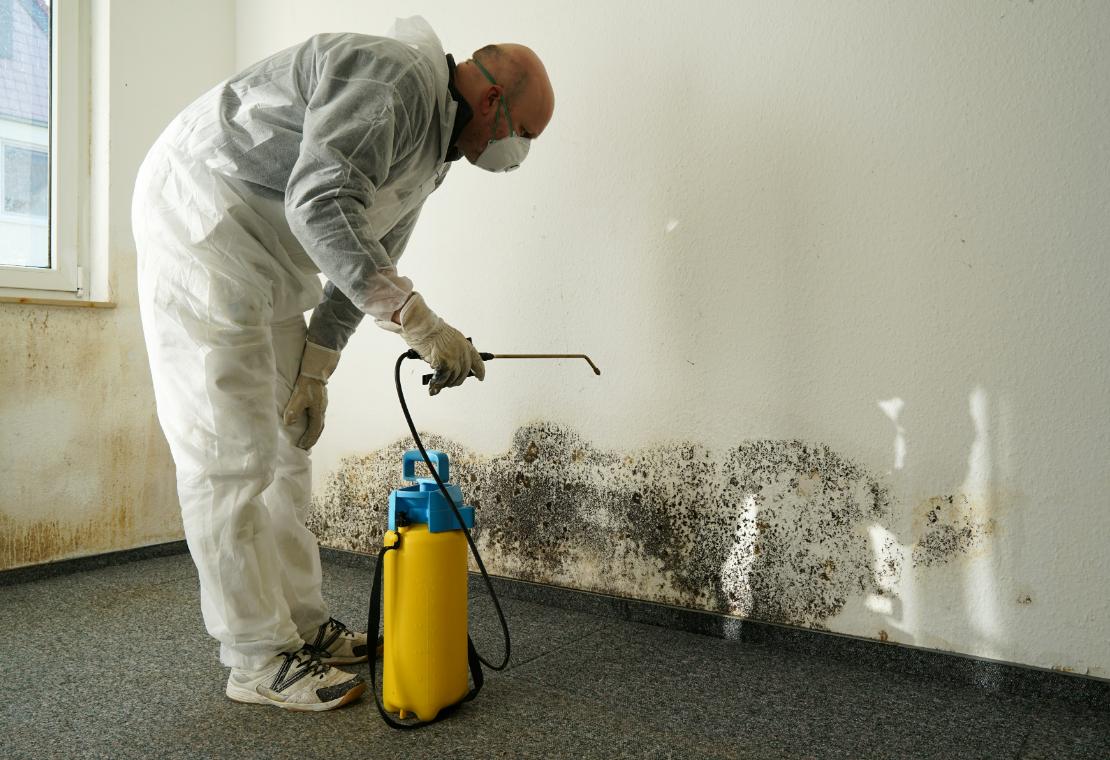
Mould removal in Lee is crucial to ensuring a healthy living environment. It involves identifying and eliminating mould growth, as well as understanding the root causes such as excess humidity, poor ventilation, and water damage. Mould cleaning Lee can range from surface treatment to comprehensive mould remediation, which focuses on preventing recurrence. Professionals will look beyond the visible mould to address underlying issues, ensuring that walls, ceilings, and floors are treated thoroughly, while soft furnishings may need to be excluded to promote effective mould prevention.
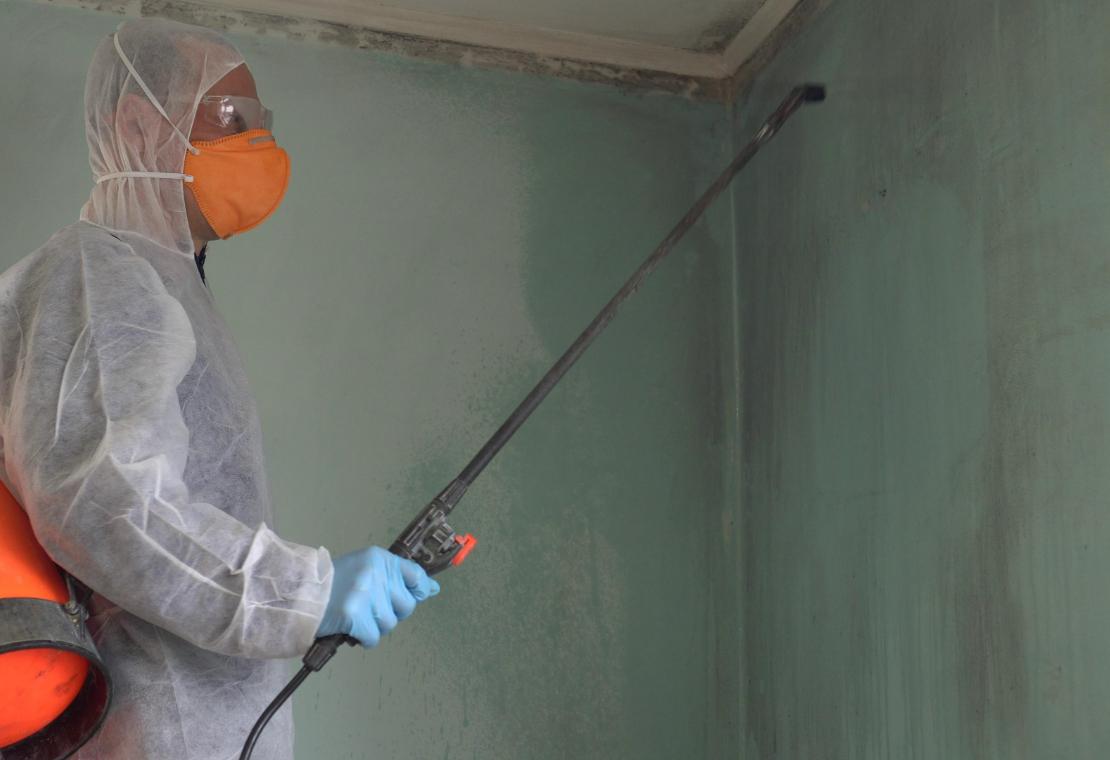
Mould remediation in Lee involves a structured, professional process that begins with a comprehensive inspection of the affected areas. The use of HEPA air filtration systems ensures that airborne spores are effectively captured. Following this, a controlled treatment is administered to eliminate mould sources. This includes the innovative application of HOCl (hypochlorous acid), a safe, non-toxic solution that neutralizes mould on contact while being safe for occupants and pets alike. Additionally, ULV (ultra-low volume) fogging technology is utilized to evenly distribute the treatment solution across all surfaces and airspaces, ensuring that even hard-to-reach areas are thoroughly addressed.
Physical mould removal in Lee employs professional equipment equipped with H-Class filtration, effectively extracting mould from surfaces and preventing further contamination. This thorough approach culminates in final air cleaning, safeguarding against any residual spores. Furthermore, this process not only targets existing mould but also provides long-term protection against regrowth, significantly improving indoor air quality and ensuring stability in your environment. By investing in professional mould removal in Lee, you can breathe easy knowing that your home is free from mould hazards.
Booking mould cleaning is quick and designed to get results without unnecessary delays.
Share what you’re dealing with, whether it’s visible mould, damp patches, or a recurring problem. This helps determine the right approach, from mould cleaning to full mould remediation.
A specialist checks the affected areas and identifies what’s causing the mould, such as excess moisture, condensation, or poor ventilation. This ensures the issue is treated properly, not just on the surface.
You’ll get a straightforward quote based on the level of contamination and the type of mould removal required. The service is tailored to ensure effective results and long-term protection.
The treatment removes mould and improves indoor air quality, helping to prevent future growth and create a healthier living space. It also targets the root cause of the problem for longer-lasting results.
Mould removal requires more than basic cleaning, which is why it’s handled by trained mould remediation specialists experienced in treating both visible and hidden contamination. Each specialist assesses the full extent of mould growth, including underlying causes such as excess moisture, condensation, and ventilation issues, ensuring the problem is addressed properly rather than just on the surface.
Number of bookings: 298
With Fantastic Services for: 3 years
Other specialities:
Number of bookings: 205
With Fantastic Services for: 3 years
Other specialities:
Number of bookings: 213
With Fantastic Services for: 2 years
Other specialities:
Alongside professional mould removal and mould cleaning, a range of additional property care services is available to help maintain a healthier indoor environment.
Mould can spread quickly and impact both health and property if not treated in time. Book a service today to remove mould, improve indoor air quality, and restore a cleaner and healthier living environment.
Drying is the part of the job that takes the time, and it is the part that gets cut. Cleaning a wall down is an afternoon; getting the material behind it back to a stable condition can take three weeks, and a household that has been told the work is finished when the equipment leaves has been told the wrong thing. In the larger Victorian and Edwardian houses around Lee, where wall thicknesses are substantial and many properties have been subdivided, the drying stage decides whether the money spent on removal was worth spending.
Warming a closed room raises the amount of moisture the air in it can hold, so evaporation speeds up — and then that moisture has nowhere to go. It redistributes itself onto the coolest surfaces in the room and into anything absorbent, and a proportion of it migrates into the next room. A heater in a sealed room is therefore a way of moving water around a house rather than removing it. Air movement and moisture removal have to be there as well, or the heat is simply redistributing the problem.
Refrigerant machines pass air over a chilled coil so moisture condenses out of it. They are efficient in warm, humid conditions and lose effectiveness sharply as a space gets cold, because the coil starts to ice. Desiccant machines pass air through a moisture-absorbing wheel, work perfectly well at low temperatures, and give a drier output, which suits masonry and screeds and unheated spaces. Choosing the wrong one for the conditions is a common reason a drying period runs on with poor results, and it is not a matter of size or power.
Dehumidification lowers the moisture content of the room air; air movers push that dry air across wet surfaces so the boundary layer immediately against the material is constantly replaced. Without them, a wall gives up water only as fast as still air will carry it, which is slowly. Positioning matters — air directed along a surface rather than at it, into voids and under lifted floors, with the dehumidifier drawing from the same space. A drying setup that is not arranged around the wet material is just noise.
Drying works far better in a defined volume. Closing internal doors, sealing openings temporarily and keeping windows shut while equipment runs concentrates the effect on the affected rooms instead of attempting to dry the outside air. That is counter-intuitive to households who have been told all their lives to open windows for damp, and it is worth explaining: ventilation is the right advice for everyday moisture and the wrong advice while a controlled drying setup is running.
The number that matters is in the plaster, the brick, the screed or the timber. Surface readings on paintwork respond to the room air and can look reassuring while the substrate behind is still wet, so readings are taken at consistent depths and consistent positions, recorded, and compared between visits. The decision to stop is based on the trend flattening at a sensible level, not on a single reading or on how long the equipment has been in. An unaffected wall in the same property is used as a comparison.
This is worth being frank about. Drying equipment runs continuously, it is audible from the next room, and it uses electricity — sometimes noticeably — for as long as it is in place. Rooms containing equipment are not comfortable to use. Households sometimes switch machines off at night, which extends the whole period and can undo several days of progress, so it is better to plan around the disruption than to interrupt it.
Equipment is installed after removal is complete, with an initial set of readings, and monitoring visits follow at intervals suited to the material. Pricing reflects the number of machines, the length of the period and the number of monitoring visits, which is why an accurate initial assessment matters more than a low daily figure. Clear the rooms concerned, agree access for monitoring, and expect reinstatement to be quoted as its own stage. Putting floors, skirtings and joinery back afterwards is handled by affordable handyman services in Grove Park; insect populations exposed during removal are dealt with by pest control throughout New Cross; the clean before the room goes back into use is arranged with what the service covers. Adjacent work is covered by professional black mould removal in Grove Park, and the full sequence is set out on damp and mould treatment.