Mould Removal and Remediation Services in Welling
Expert mould removal using advanced treatments to neutralise spores and prevent regrowth, improving air quality and property safety.

Expert mould removal using advanced treatments to neutralise spores and prevent regrowth, improving air quality and property safety.
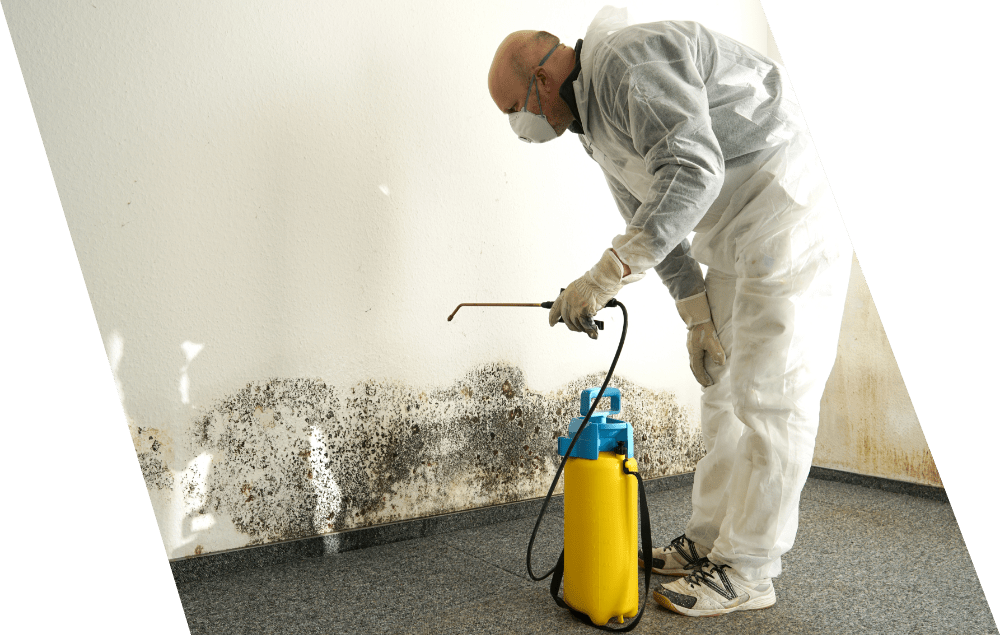
The cost of mould removal depends on the size of the affected area and the type of treatment required. After a detailed inspection a clear, personalised quote is provided based on the scope of work.
| Small mould area (e.g. around a window or corner) | Medium mould area +£100 (large section of a wall affected) | Large mould area +£150 (more than one wall or ceiling) | ||||
|---|---|---|---|---|---|---|
| Room | Standard | Fantastic Club* | Standard | Fantastic Club* | Standard | Fantastic Club* |
| Bedroom | £350 | £320 | £450 | £420 | £500 | £470 |
| Bathroom | £350 | £320 | £450 | £420 | £500 | £470 |
| Kitchen | £350 | £320 | £450 | £420 | £500 | £470 |
| Living / Dining room | £350 | £320 | £450 | £420 | £500 | £470 |
| Hallway / Landing | £350 | £320 | £450 | £420 | £500 | £470 |
| Utility room | £350 | £320 | £450 | £420 | £500 | £470 |
| Paid inspection | £50 | |||||
| *Price for members of the Fantastic Club. The Fantastic Club is a yearly subscription of £89. | ||||||
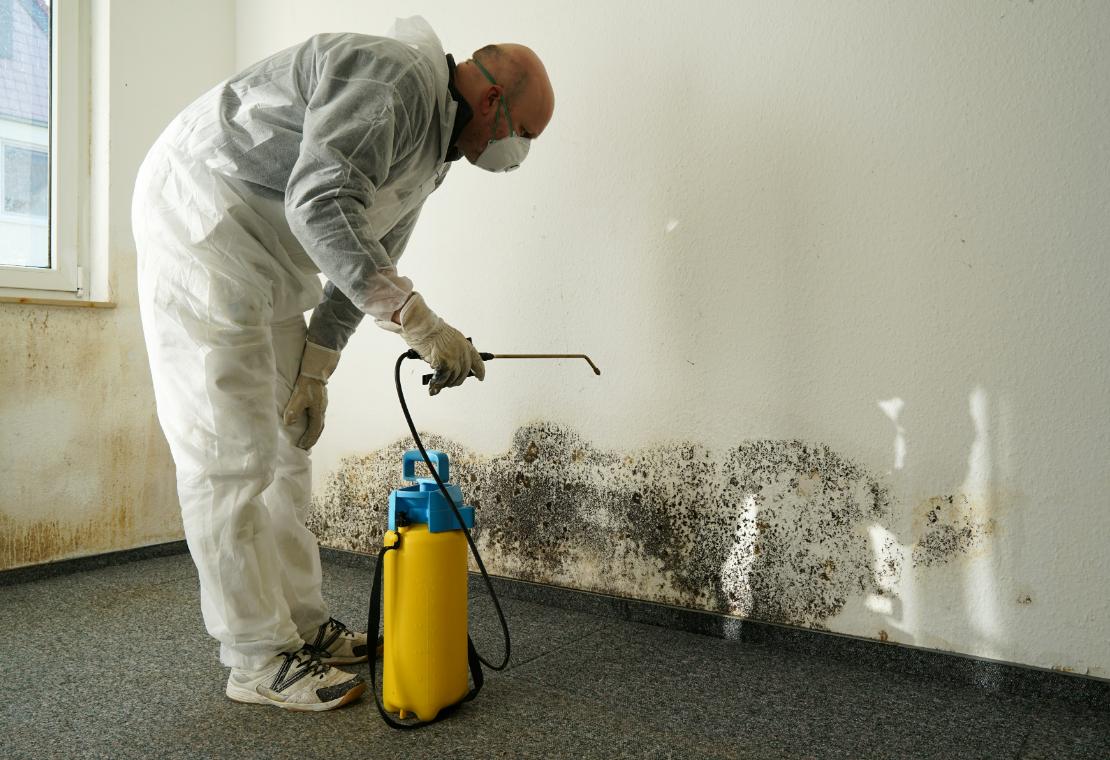
For comprehensive mould removal near Welling, our local specialists conduct an in-depth inspection and moisture assessment to identify the breadth of mould contamination and its sources—ranging from condensation to damp and water damage. Our focus during the service targets structural surfaces such as walls, ceilings, and floors, where mould thrives, while soft furnishings are not treated. This thorough mould cleaning service ensures that all impacted surfaces are addressed, providing clients with a healthier space free from harmful mould.
Engaging our mould remediation services in Welling means you are addressing the problem at its core. We go well beyond surface cleaning by also dealing with airborne mould spores, ensuring improved indoor air quality. Our treatment strategy employs HEPA filtration systems to capture these spores effectively. We use HOCl (Hypochlorous Acid) to eliminate mould and bacteria on a microscopic level and incorporate ULV fogging technology for comprehensive coverage in hidden areas. This commitment to excellence not only protects your health but also prevents structural damage, ensuring lasting protection against mould.
Starting the mould remediation process in Welling, specialists conduct a meticulous inspection and moisture assessment using advanced professional technology to detect visible and hidden moisture issues. These assessments help local mould removal teams understand where excess moisture is present, which is essential to prevent recurrences. Implementing HEPA filtration systems and air scrubbers ensures all airborne mould spores are captured, safeguarding indoor air quality during treatment.
The use of HOCl (Hypochlorous Acid) is a game changer, as this non-toxic, professional-grade solution neutralises mould, bacteria, and mycotoxins at the molecular level, making it an essential part of mould cleaning in Welling. Additionally, ULV (Ultra-Low Volume) fogging technology guarantees that even hard-to-reach, hidden areas are treated efficiently, including corners and behind surfaces. Physical mould removal is carried out using specialized equipment featuring H-Class filtration to contain all contaminants safely. The process culminates in final air purification measures that enhance indoor air quality and provide long-term protection against future mould issues, ensuring a healthier environment in Welling.
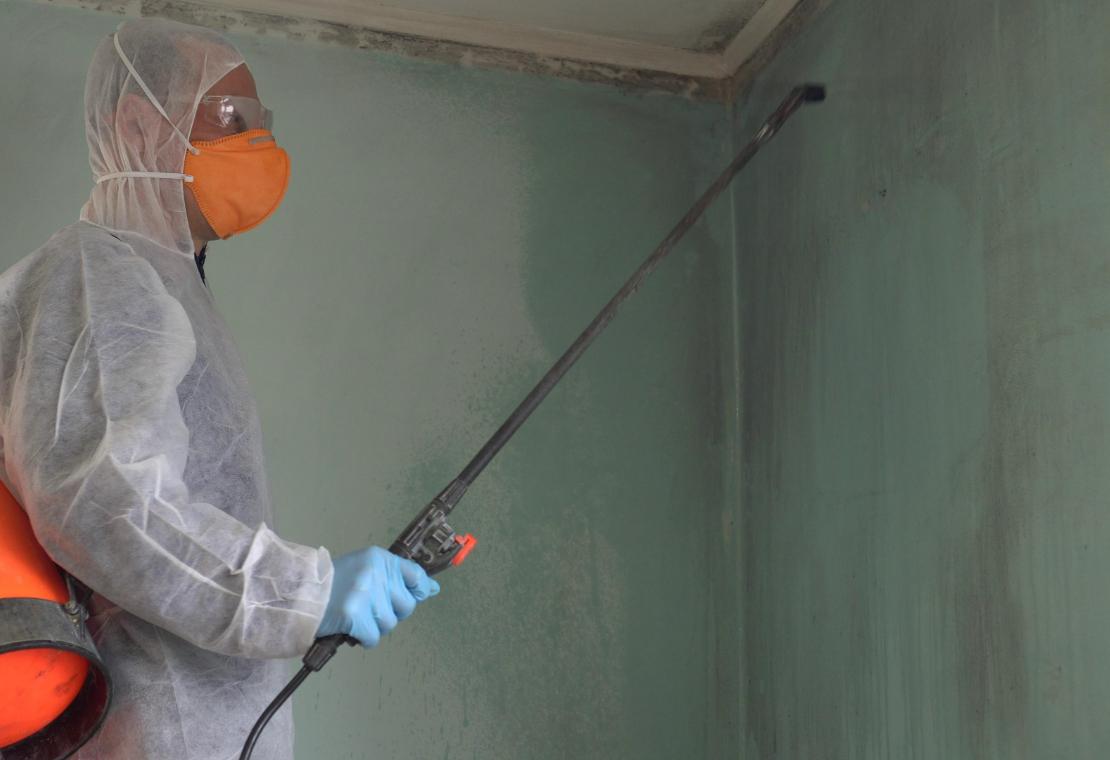
Booking mould cleaning is quick and designed to get results without unnecessary delays.
Share what you’re dealing with, whether it’s visible mould, damp patches, or a recurring problem. This helps determine the right approach, from mould cleaning to full mould remediation.
A specialist checks the affected areas and identifies what’s causing the mould, such as excess moisture, condensation, or poor ventilation. This ensures the issue is treated properly, not just on the surface.
You’ll get a straightforward quote based on the level of contamination and the type of mould removal required. The service is tailored to ensure effective results and long-term protection.
The treatment removes mould and improves indoor air quality, helping to prevent future growth and create a healthier living space. It also targets the root cause of the problem for longer-lasting results.
Mould removal requires more than basic cleaning, which is why it’s handled by trained mould remediation specialists experienced in treating both visible and hidden contamination. Each specialist assesses the full extent of mould growth, including underlying causes such as excess moisture, condensation, and ventilation issues, ensuring the problem is addressed properly rather than just on the surface.
Number of bookings: 214
With Fantastic Services for: 3 years
Other specialities:
Number of bookings: 123
With Fantastic Services for: 2 years
Other specialities:
Number of bookings: 298
With Fantastic Services for: 3 years
Other specialities:
Alongside professional mould removal and mould cleaning, a range of additional property care services is available to help maintain a healthier indoor environment.



Mould can spread quickly and impact both health and property if not treated in time. Book a service today to remove mould, improve indoor air quality, and restore a cleaner and healthier living environment.
Black growth along a line of silicone is the most commonly misread mould in any home. It looks like a cleaning failure, it is scrubbed weekly, and it returns within a fortnight because the sealant is no longer keeping water out of the joint behind it. Across DA16 the majority of mould complaints come from bathrooms and en-suites rather than bedrooms, and a high proportion of those turn out to be a wet-area detail that has quietly failed rather than a ventilation shortfall.
Mould colonises the plasticiser in silicone, so once growth has taken hold in the depth of the bead, surface cleaning only removes what is visible. More importantly, a bead that has lost adhesion on one edge is letting shower water into the junction between tray and wall. The substrate behind stays permanently wet, and the visible growth on the sealant is the symptom rather than the problem. The remedy is removal of the bead back to a clean, dry joint and replacement, not another application over the top.
Retrofitted shower rooms are the usual offender. Tiles bedded straight onto plasterboard with no tanking, a tray that flexes because it was never fully bedded, grout washed out of the lower courses, and a waste seal that weeps into the floor void all put water where nothing can dry. The giveaway is a hollow note when the lower tiles are tapped, or grout that darkens and stays dark for hours after the shower is used. Behind that, timber or plasterboard is wet, and mould is growing where nobody will see it until the tiles come off.
Plenty of houses here have had a bathroom formed from a box room or carved out of a landing, leaving a room with no window. Those rely entirely on mechanical extract, and the quality of that installation decides everything. An undersized fan, a duct with a long sagging run, a terminal with its grille painted over or a door with no gap beneath it for replacement air all reduce a fan to noise. Air cannot be pulled out of a sealed room.
Sequence matters more here than anywhere. Treating and redecorating before the water is stopped wastes the work. The route is: find and fix the ingress, strip back anything that has failed, dry the substrate with air movement and measure it rather than guess, then treat and reinstate. Where tiles have to come off, that is the moment to tank the wet zone properly, because there will not be a better opportunity.
This is a hard-water district, and limescale plays a part that is easy to overlook. Scale builds on shower screens, seals and tray surfaces, holding water against the joint and preventing a new bead from adhering cleanly. Descaling and thoroughly drying the surfaces before resealing is what makes the difference between a joint that lasts years and one that fails by the spring.
Resealing, regrouting, renewing a waste, undercutting a door, fitting a correctly sized extractor with a short rigid duct and a working shutter: fully insured TV wall mounting in Welling covers that work, and it is generally what a report recommends before any treatment is scheduled. Persistently damp bathrooms are also where silverfish and drain flies establish themselves, breeding in the film inside a trap rather than in the room, so wasp nest removal in Welling deals with that at source. Comparable properties one district over come under mould removal cover across Sidcup, flooring and soft furnishings affected by a bathroom leak are handled by local specialists, and the broader method is set out on the mould removal and remediation services UK page.
A wet-area inspection involves running the shower and watching where water goes, so the room needs to be available and clear for an hour or so. Findings cover the state of the seals and grout, the condition of the substrate as far as it can be assessed without opening it up, the fan and its ducting, and moisture readings in the floor and wall around the tray. Pricing reflects the area treated and whether tiling has to be removed, with sealing and ventilation work itemised separately so the smaller jobs can be approved on their own.
Skip the line, request and
book a service online