


Mould Removal and Remediation Penge
Professional mould removal and remediation services in London, targeting visible mould, airborne spores, and damp-related contamination for healthier indoor air quality.

Professional mould removal and remediation services in London, targeting visible mould, airborne spores, and damp-related contamination for healthier indoor air quality.

The cost of mould removal depends on the size of the affected area and the type of treatment required. After a detailed inspection a clear, personalised quote is provided based on the scope of work.
| Small mould area (e.g. around a window or corner) | Medium mould area +£100 (large section of a wall affected) | Large mould area +£150 (more than one wall or ceiling) | ||||
|---|---|---|---|---|---|---|
| Room | Standard | Fantastic Club* | Standard | Fantastic Club* | Standard | Fantastic Club* |
| Bedroom | £350 | £320 | £450 | £420 | £500 | £470 |
| Bathroom | £350 | £320 | £450 | £420 | £500 | £470 |
| Kitchen | £350 | £320 | £450 | £420 | £500 | £470 |
| Living / Dining room | £350 | £320 | £450 | £420 | £500 | £470 |
| Hallway / Landing | £350 | £320 | £450 | £420 | £500 | £470 |
| Utility room | £350 | £320 | £450 | £420 | £500 | £470 |
| Paid inspection | £50 | |||||
| *Price for members of the Fantastic Club. The Fantastic Club is a yearly subscription of £89. | ||||||
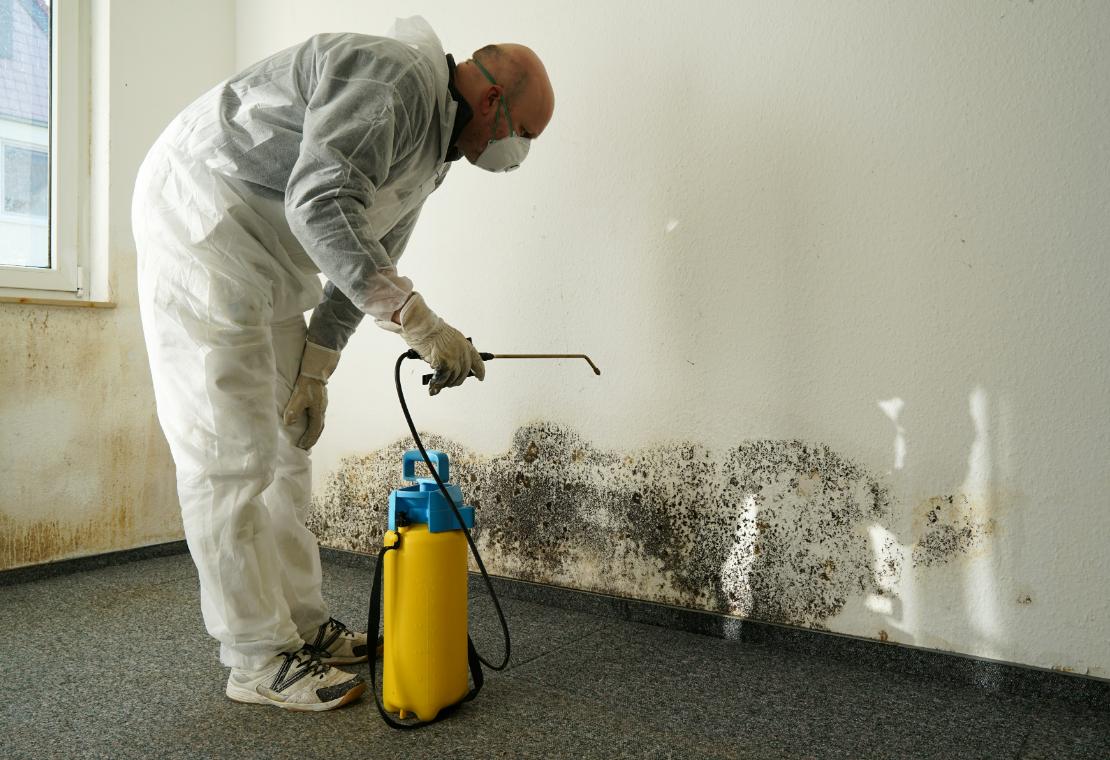
Our mould removal service in Penge begins with a comprehensive inspection and moisture assessment to determine the extent of contamination and the root cause behind it. Mould typically thrives in environments with high humidity, poor ventilation, or as a result of water damage and condensation. Identifying the source is crucial for effective long-term mould removal in Penge. We focus on structural surfaces like walls, ceilings, and floors, where mould is most likely to develop. However, it is important to note that soft furnishings such as carpets, sofas, and textiles are not included in our treatment process.
Professional mould remediation in Penge goes far beyond mere surface cleaning. We address not only the visible mould but also airborne mould spores that can compromise indoor air quality and the health of your environment. Through our advanced techniques, we ensure that mould spores removal is effective, preventing future growth and safeguarding against health risks and structural damage. With our mould cleaning Penge service, we aim to create a safer living space by managing damp and mould removal, ultimately achieving optimal indoor air quality for your home.
In Penge, the mould remediation process begins with a thorough inspection and moisture assessment using professional hygrometers. These tools help detect hidden damp conditions that may otherwise go unnoticed. By identifying sources of excess moisture, our team can prevent future mould outbreaks. We utilize HEPA filtration systems and air scrubbers throughout the process, effectively capturing airborne mould spores and ensuring a safe indoor air quality as we work.
Following the initial assessment, we apply HOCl (Hypochlorous Acid) treatment, a professional-grade, non-toxic solution that neutralises mould, bacteria, and mycotoxins at a microscopic level. Our use of ULV (Ultra-Low Volume) fogging technology ensures the treatment is evenly dispersed through the air, allowing it to reach hidden areas such as cracks and corners. Physical removal of mould follows, using professional equipment fitted with H-Class filtration to safely contain contaminants. The process concludes with final air purification, significantly reducing airborne spores and improving indoor air quality, making our mould remediation services in Penge not just effective but essential for long-term health.
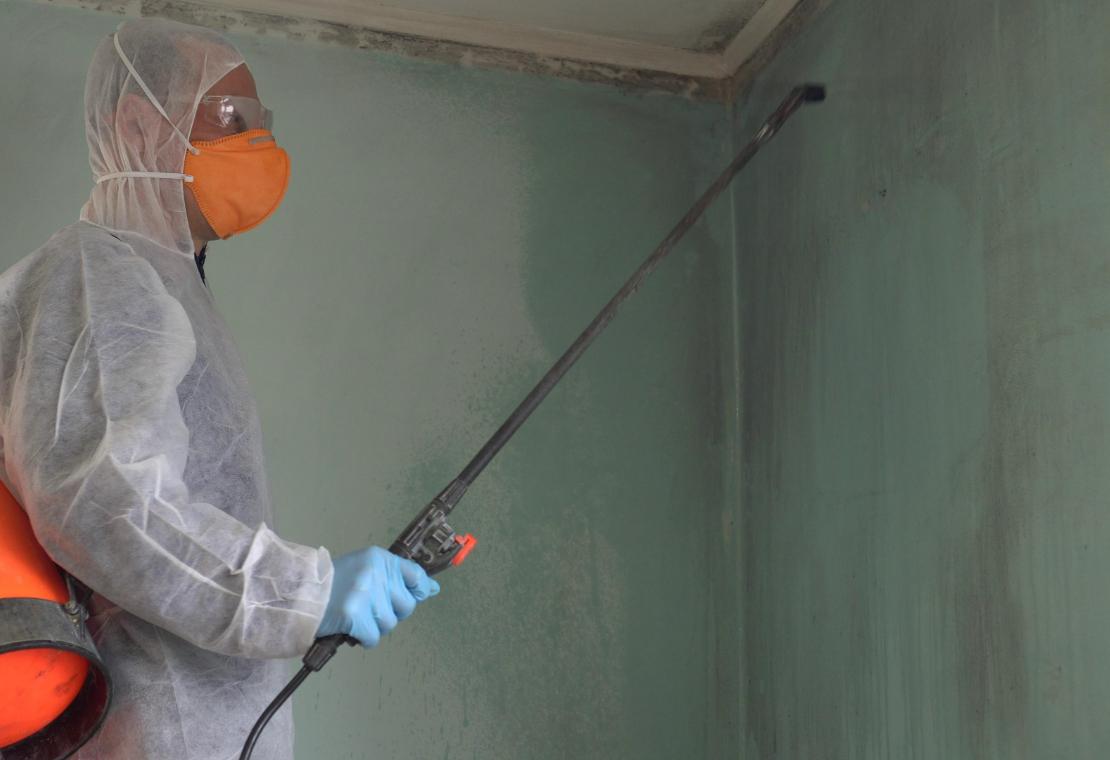
Booking mould cleaning is quick and designed to get results without unnecessary delays.
Share what you’re dealing with, whether it’s visible mould, damp patches, or a recurring problem. This helps determine the right approach, from mould cleaning to full mould remediation.
A specialist checks the affected areas and identifies what’s causing the mould, such as excess moisture, condensation, or poor ventilation. This ensures the issue is treated properly, not just on the surface.
You’ll get a straightforward quote based on the level of contamination and the type of mould removal required. The service is tailored to ensure effective results and long-term protection.
The treatment removes mould and improves indoor air quality, helping to prevent future growth and create a healthier living space. It also targets the root cause of the problem for longer-lasting results.
Mould removal requires more than basic cleaning, which is why it’s handled by trained mould remediation specialists experienced in treating both visible and hidden contamination. Each specialist assesses the full extent of mould growth, including underlying causes such as excess moisture, condensation, and ventilation issues, ensuring the problem is addressed properly rather than just on the surface.
Number of bookings: 123
With Fantastic Services for: 2 years
Other specialities:
Number of bookings: 213
With Fantastic Services for: 2 years
Other specialities:
Number of bookings: 205
With Fantastic Services for: 3 years
Other specialities:
Alongside professional mould removal and mould cleaning, a range of additional property care services is available to help maintain a healthier indoor environment.





















Mould can spread quickly and impact both health and property if not treated in time. Book a service today to remove mould, improve indoor air quality, and restore a cleaner and healthier living environment.
A night storage heater gives up most of its heat by mid-afternoon and has little left by the time a household gets home. That single characteristic explains a great deal of the mould found in Penge's electrically heated flats - the conversions above shops, the purpose-built blocks and the ex-council maisonettes that were built or converted without a gas supply. Heat arrives when the rooms are empty; moisture arrives in the evening, when cooking, showering and drying all happen within about three hours. The two never meet, and the walls are at their coldest exactly when the air is at its wettest.
With a wet radiator system, a household can put heat into a room at the moment it is needed. Storage heating cannot: the charge is taken overnight on a cheaper tariff and released gradually thereafter, so by seven in the evening the output has faded. Add a shower, a pan on the hob and a rack of washing, and the moisture load peaks against surfaces that have been cooling for hours. The result is condensation in the evening, which then sits on the plaster all night.
In an electric flat the cost of heat is felt immediately, so households heat one room and shut the rest. A back bedroom with the heater switched off for the winter becomes the coldest surface in the dwelling, and because its door is usually closed, air that gets in cannot get out again. That room reliably grows mould along the external wall and in the corner behind the door, whatever is happening elsewhere in the flat. It is also where insect and rodent activity is most often found, which is dealt with by a local professional.
Most of the improvement available costs nothing. Charge and boost settings on a modern storage heater can shift output later in the day; older units respond to reducing the input on mild days so the charge lasts. Leaving an unused room at a low steady setting rather than off entirely keeps its surfaces above the point where moisture settles, and costs less than heating it from cold in an emergency. Doors kept shut on the wet rooms and open on the cold ones is the opposite of what most households do.
Drying washing is the single largest controllable source in a flat of this kind, and a heated airer in a closed bathroom with the extract running removes far more water from the dwelling than the same load spread over radiators. Lids on pans, an extract that runs on after a shower, and a vented or condensing dryer used properly do more for a cold flat than any amount of additional heating.
Some of these flats need more than adjustment. A single-skin external wall, an uninsulated ceiling under a flat roof or a window with no background ventilation will keep producing growth however sensibly the heating is run, and a survey says which of those applies. Where a leaking waste, an overflowing cylinder or a failed connection is adding water, the plumbing repair comes first; Brockley properties have that side covered by the plumbing team in Brockley. Treatment method and guarantee terms are on experienced damp and mould treatment.
The visit looks at heater type and settings, room-by-room temperatures, the wet rooms and the extract provision, then treats the affected surfaces and lists the works that will hold the result. Treatment is priced by affected area and number of rooms; surveys can be booked alone, which suits a tenant needing written evidence for a landlord. same-day handyman services in Penge covers the vent fitting, door easing and making good afterwards, and Anerley addresses are served through professional damp and mould treatment in Anerley. Knowing the tariff and the heater type before the visit changes what can sensibly be recommended, so it is worth checking both.

