Windows kept shut for the sake of quiet are among the least discussed causes of mould in a house. It is an entirely reasonable trade: a bedroom on a street near the railway cutting, or on a through route, is unliveable with the window open at six in the morning, so the window stays closed, the trickle vents get taped over, and secondary glazing goes in. Every one of those steps reduces noise and reduces the route out for the water a household produces. Forest Hill has plenty of streets where that calculation gets made, and the mould that follows is a ventilation problem wearing a disguise.
Quiet and dry pull in opposite directions
Sound travels through gaps, and so does water vapour. Anything that blocks one blocks the other, which is why noise mitigation so often produces condensation within a season or two. The effect is worst in bedrooms, because two sleeping adults release a surprising amount of moisture overnight into a room that has been sealed deliberately and heated hardly at all. By morning it is on the coldest part of the wall, and by February it is growing.
Acoustic glazing and the space between the panes
Secondary glazing works acoustically by putting a wide air gap between two independent panes, and that gap has to stay dry. If room air can leak into it while the outer pane stays cold, moisture condenses inside the cavity, runs down onto the timber below and grows there, out of reach of any cleaning. The internal panel therefore needs to seal well against the room while the outer window keeps a controlled path to the outside air - the opposite arrangement from the one most people assume.
Linings added for sound, voids created for moisture
Independent plasterboard linings on resilient bars are common in converted flats here, fitted to cut noise between dwellings. On a party wall they are harmless. Fitted to a cold external wall, they create a void whose outer face is at masonry temperature, and any room air that reaches it through a socket cut-out or an unsealed edge deposits water on the back of the board. The symptom is a musty smell with nothing visible, and the only way to confirm it is to open a small area. Warm lined voids are also where insect and rodent activity is found, dealt with by pest control cover across Forest Hill.
Ventilation that does not bring the noise back
The answer is not to undo the acoustic work. Attenuated background ventilators, ducted extract with a silencer in the run, and humidity-triggered units that do their work while the household is out all provide the air change without the open window. Mechanical extract in the bathroom and kitchen matters more here than in a house that can be aired, because those rooms are carrying the whole moisture load of the dwelling.
Opening up a lined wall to treat it
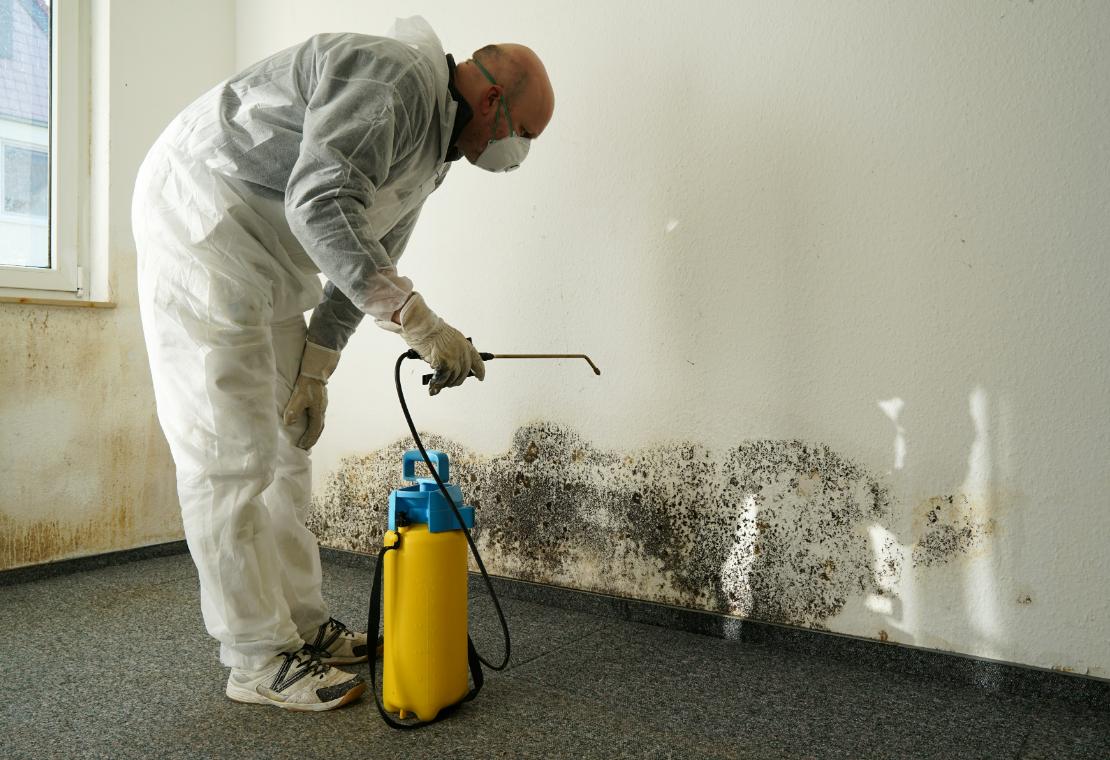
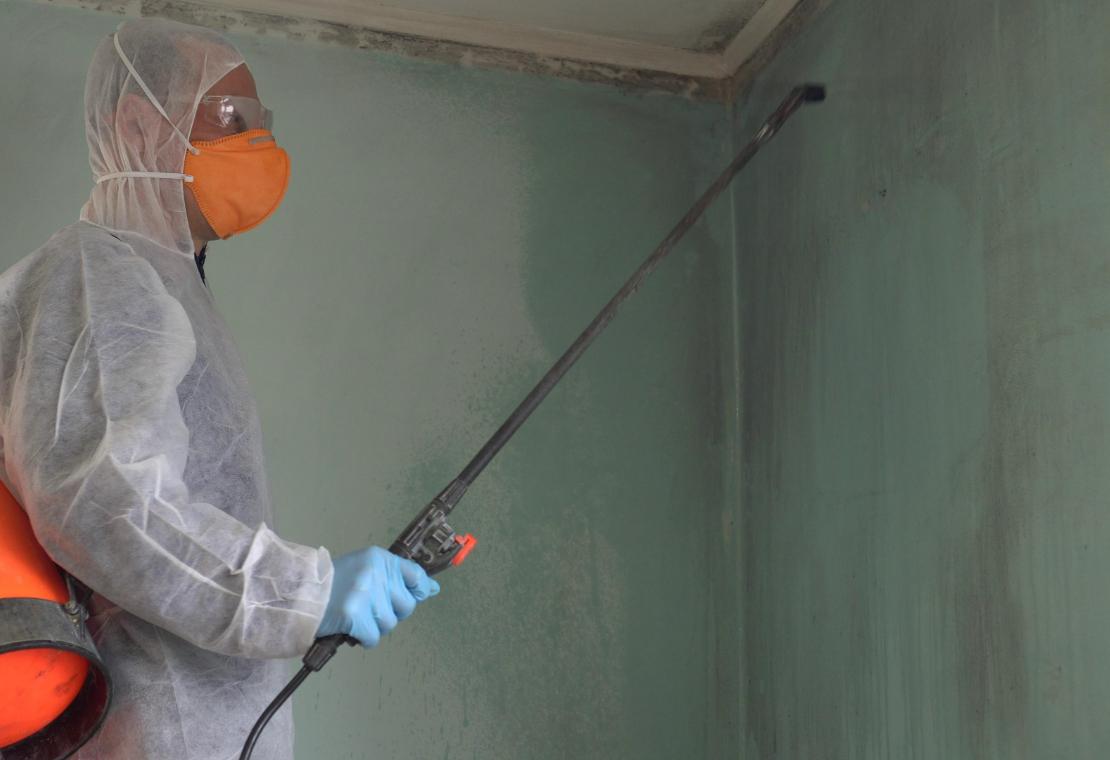
Growth behind a lining cannot be treated through the board. A section is removed under sheeting, the masonry face and the back of any retained material are treated, wet insulation is bagged and taken out, the void is dried to a target reading, and the lining is rebuilt with the edges and service penetrations sealed this time, which is the stage covered by the team covering Forest Hill. Where a pipe run inside the void turns out to be the water source, the repair is a plumbing job first - Charlton addresses have that covered by local plumbing in Charlton.
Getting a survey done first
A survey establishes whether the problem is surface condensation, a sealed cavity in the glazing, or growth inside a lining, since all three look identical from an armchair. Treatment is priced on the area opened and reinstated as well as the area treated, which is why a lined wall costs more than a plain one. Honor Oak addresses have equivalent cover through mould remediation in Honor Oak, and mould removal and remediation for rented property sets out the method and the guarantee terms in detail. Where secondary glazing is about to be fitted or replaced, having the survey done first is worth the short delay.